Economists in Hong Kong suggest that the significant depletion of Chinese goods in supermarkets and appliance stores across the United States, in conjunction with rising inflation concerns, may have prompted both economies to temporarily decrease reciprocal tariffs.
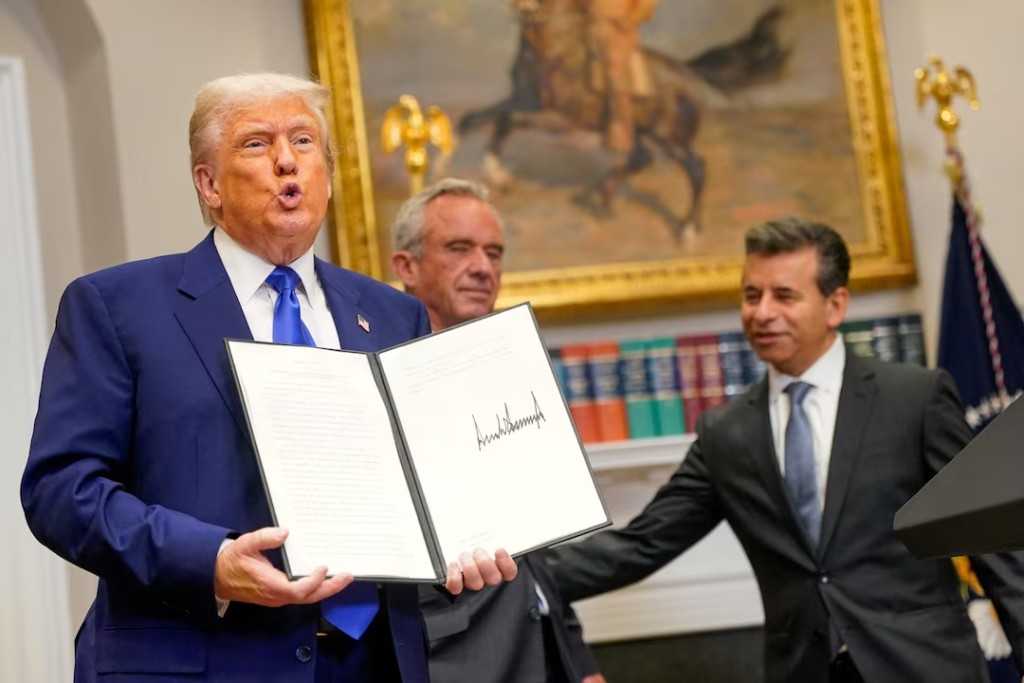
The remarks follow a joint statement released in Geneva announcing a 90-day pause on trade measures, with tariffs slated to drop by 115 percent.
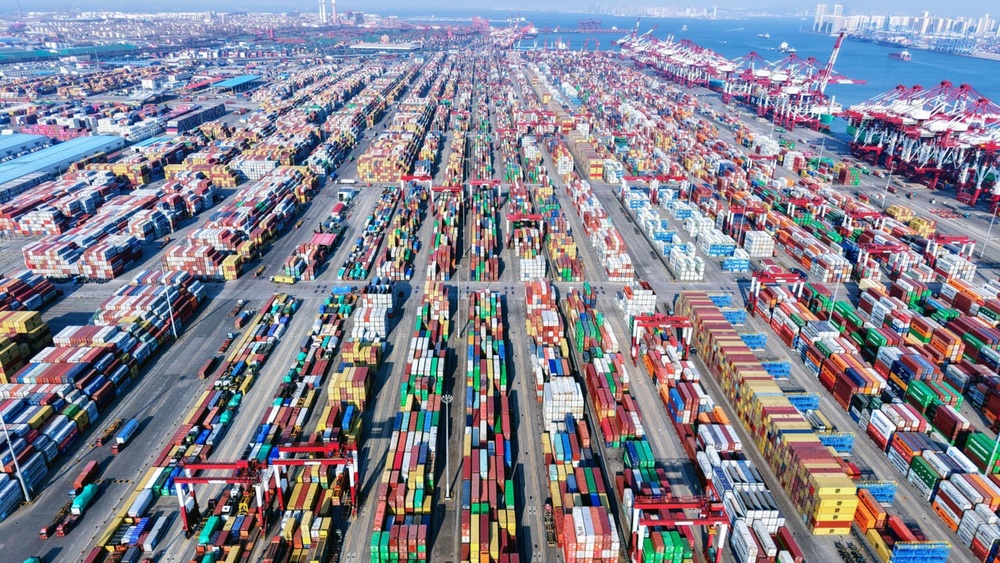
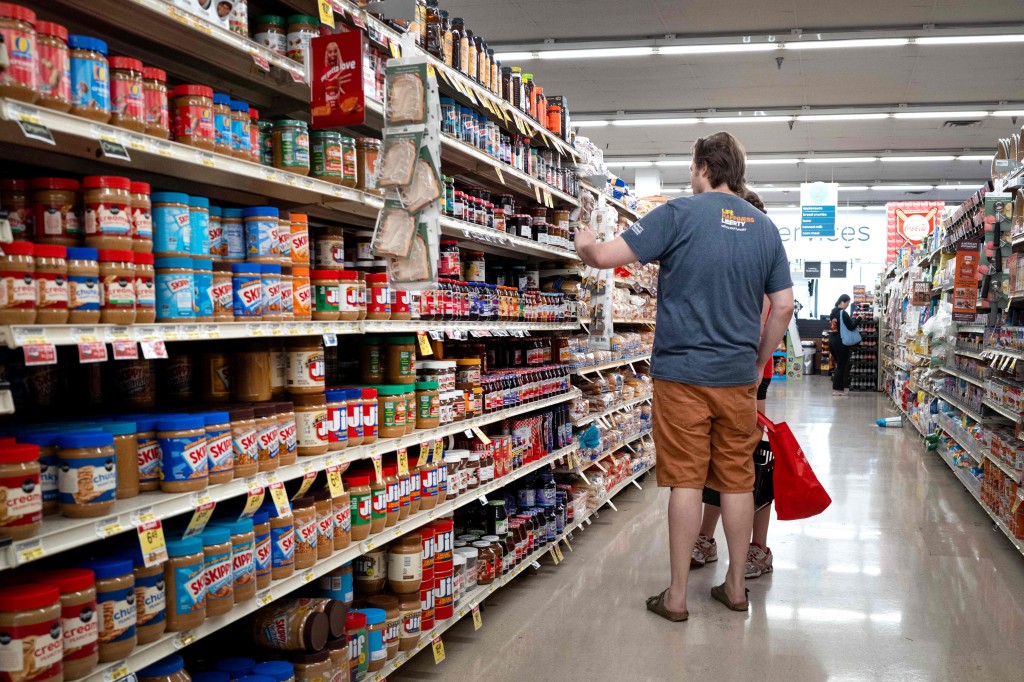
Speaking on a radio program on Tuesday, Billy Mak Sui-choi, an associate professor at Hong Kong Baptist University's department of accountancy economics and finance, stated that US stores ranging from department chains to appliance shops face low inventories.
Mak noted that the three-month pause will likely become a peak shipping season, allowing US businesses to restock ahead of year-end holiday demand.
However, he warned that the timeline remains tight, with new shipments estimated to arrive only by late second quarter or early third quarter due to manufacturing and logistics delays.
He also suggested that a full escalation to 145 percent tariffs seems improbable given the present circumstances, while additional tariffs could be imposed.
Meanwhile, Willy Lin Sun-mo, chairman of the Hong Kong Shippers' Council, said in the same radio program that importers may clear their stock at the factories or piers during the tariffs pause and ship it once China and the US agree on reasonable tariffs.
Lin highlighted that exporters facing a significant backlog can also benefit from the pause, while vessel frequency to the US has been reduced since April.
In addition, economist Simon Lee Siu-Po warned that the 90-day pause until August may bring short-term optimism, including rising stock prices and appreciation of the Chinese yuan, but uncertainties remain high.
(Judy Cui)