Read More
The Hong Kong SAR government has officially gazetted a ban on the key ingredient of "space oil," etomidate, along with three similar substances, classifying them as dangerous drugs.
ADVERTISEMENT
SCROLL TO CONTINUE WITH CONTENT
The move significantly increases penalties for trafficking these substances, with offenders now facing up to life imprisonment.
Speaking on a radio program this morning, Commissioner for Narcotics Kesson Lee Kei-shun explained that etomidate was previously classified as a Part 1 poison under the Pharmacy and Poisons Ordinance, meaning it required a doctor’s prescription. However, he said the maximum penalty for illegal sales of the substances was only two years in prison.
Now, under the Dangerous Drugs Ordinance, trafficking and illegal manufacturing of these substances can result in life imprisonment, while possession and consumption carry a maximum sentence of seven years.
When asked about a case on February 13 where a Thai tourist was caught bringing space oil ingredients into Hong Kong, Lee acknowledged that some individuals might still take the risk despite the new law. However, he expressed confidence in Hong Kong Customs’ enforcement capabilities.
He also revealed that frontline police officers have been using special test strips to detect space oil, leading to five arrests so far.
Some critics have raised concerns that the ban may drive space oil consumption further underground. However, Lee dismissed these worries, saying that drug use has "always been hidden" and that the government will strengthen public awareness campaigns.
Outreach teams from drug rehabilitation centers and social welfare organizations will also actively engage with drug users.
In addition to banning etomidate, the government has also classified metomidate, propoxate and ispropoxate as dangerous drugs.
Lee said these substances were found in a four-kilogram space oil drug seizure, though in small amounts. The decision to ban them aims to prevent drug traffickers from exploiting legal loopholes and misleading young people into thinking these substances are safe.
He also highlighted recent reports from social workers about students using space oil in schools.
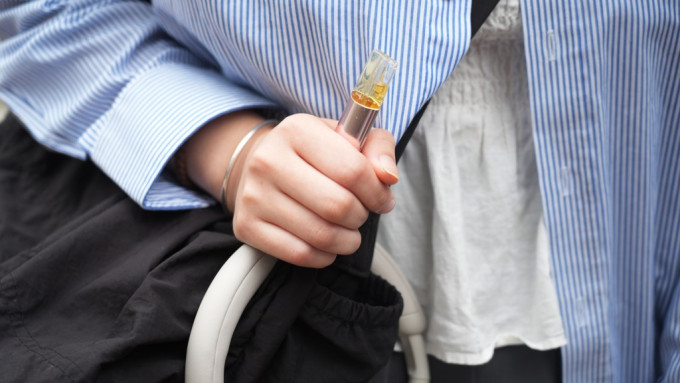
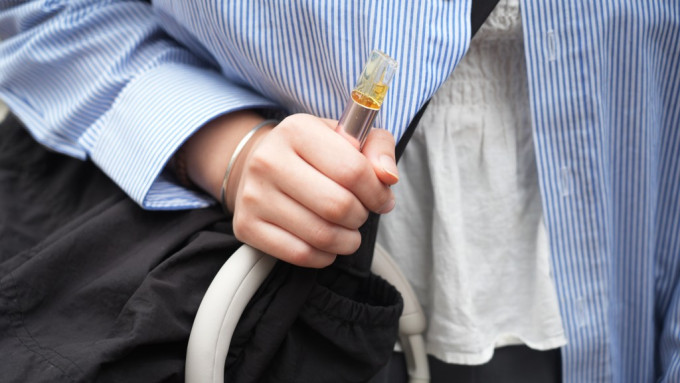
A survey conducted last year found that among 300 space oil users, 226 were young people aged 21 or below. Drug traffickers have been luring youth by adding flavors to space oil and promoting its use through e-cigarettes, making it easier to conceal.
In view of the situation, the government will launch an anti-space oil campaign in secondary schools from February 24 to 28, aiming to educate students on the dangers of drug abuse.