Read More




The Civil Aviation Department plans to expand the Small Unmanned Aircraft Order to include drones weighing 25 to 150 kilograms, with the amendment set for submission to the Legislative Council this year.
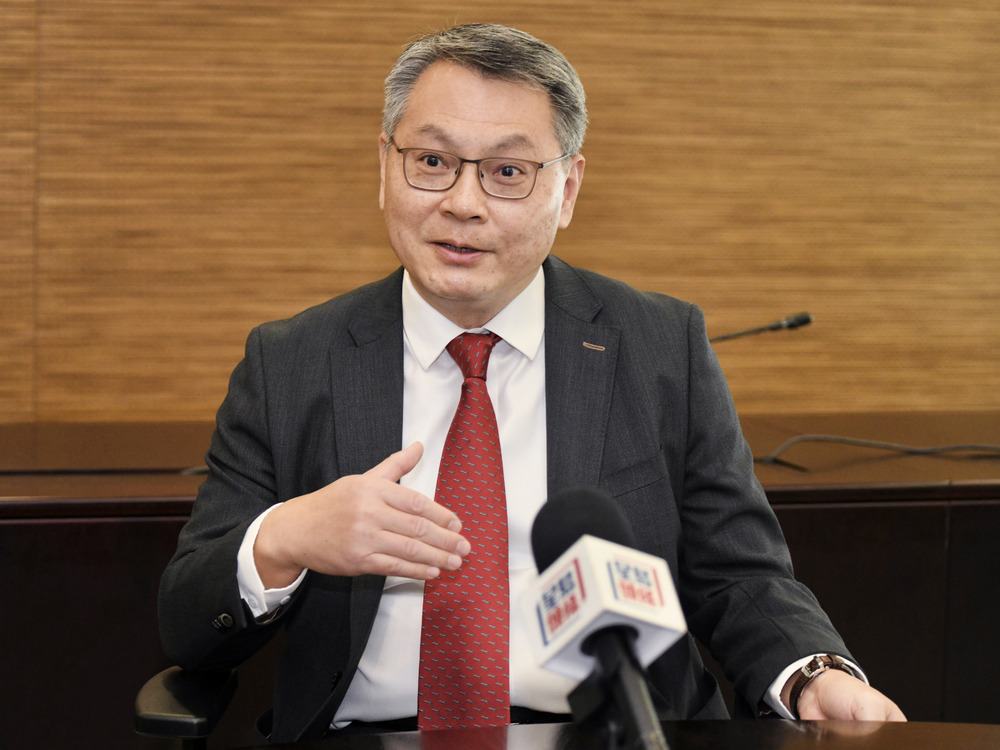
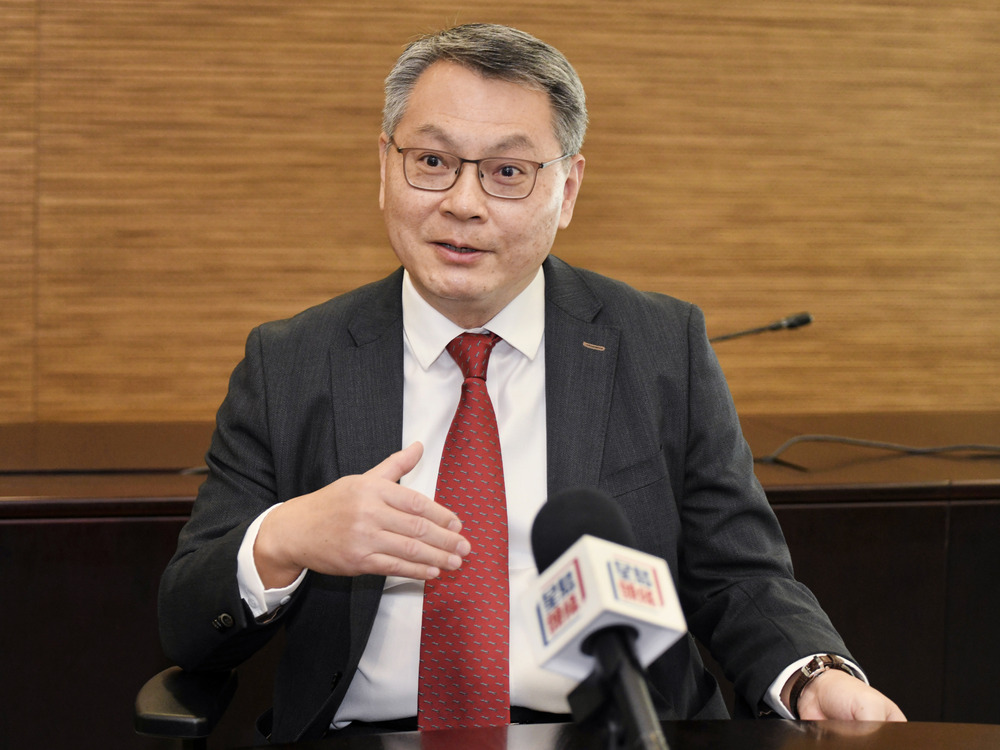
The authority’s director-general, Victor Liu Chi-yung, told Sing Tao Daily, a sister publication of The Standard, that the low-altitude economy -- activities in airspace below 1,000 meters -- is growing in popularity in Hong Kong, with over 50 government departments and divisions utilizing drones for inspections and measurements, alongside thriving drone performances.
He noted that the number of performance applications handled by the authority rose from 17 two years ago to 41 last year, highlighting a critical need for amendments.
Currently, the drone order permits power-driven aircraft weighing 25 kg or less to operate in Hong Kong.
Liu said that due to the city’s complex airspace and geography, amendments will be phased in to ensure orderly flight activities, with research underway to extend the weight limit to 150 kg.
The authority will also draw on experiences from the mainland and other regions for technical research and planning related to low-altitude infrastructure, he added.
Regarding the eSUA platform, a one-stop online service for the public to register and obtain safety information, Liu said it is functioning smoothly, with over 36,000 registered remote pilots and more than 43,000 registered drones.
In terms of airport operations, Liu noted that Hong Kong International Airport’s capacity is recovering rapidly, with airlines increasing from 120 to over 130, and destinations nearing 200, restoring nearly 90 percent of pre-pandemic levels.
“Several local airlines have also announced fleet expansions, introducing over a hundred new-generation aircraft, indicating that capacity is rapidly recovering,” he said.
The airport’s three-runway system was officially launched last November. Liu said that this project will increase runway capacity to 102 flights per hour, involving more than just an additional runway.
It includes the construction of a new T2 passenger concourse, a new air traffic control tower, and other facilities, comparable in scale to building a new airport.
(Cheng Wong)