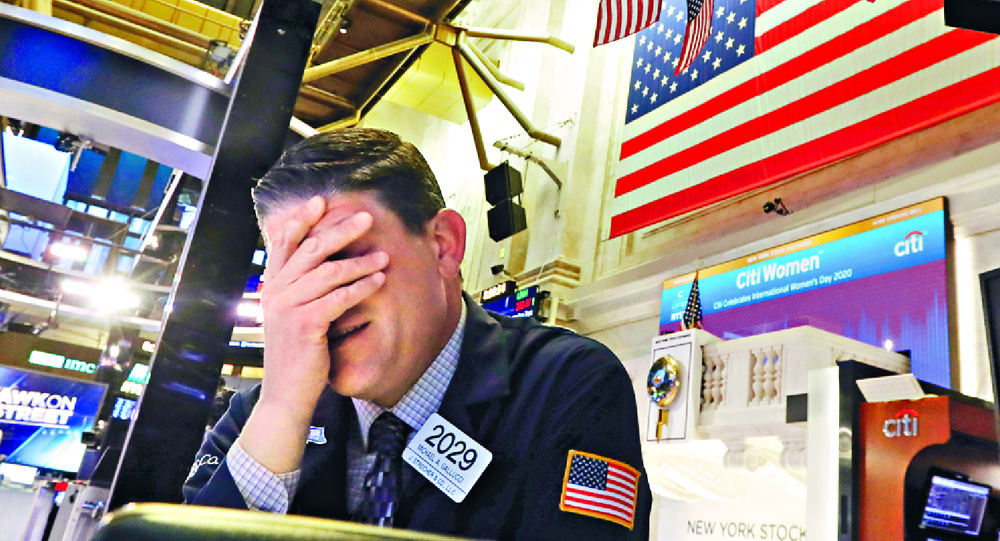
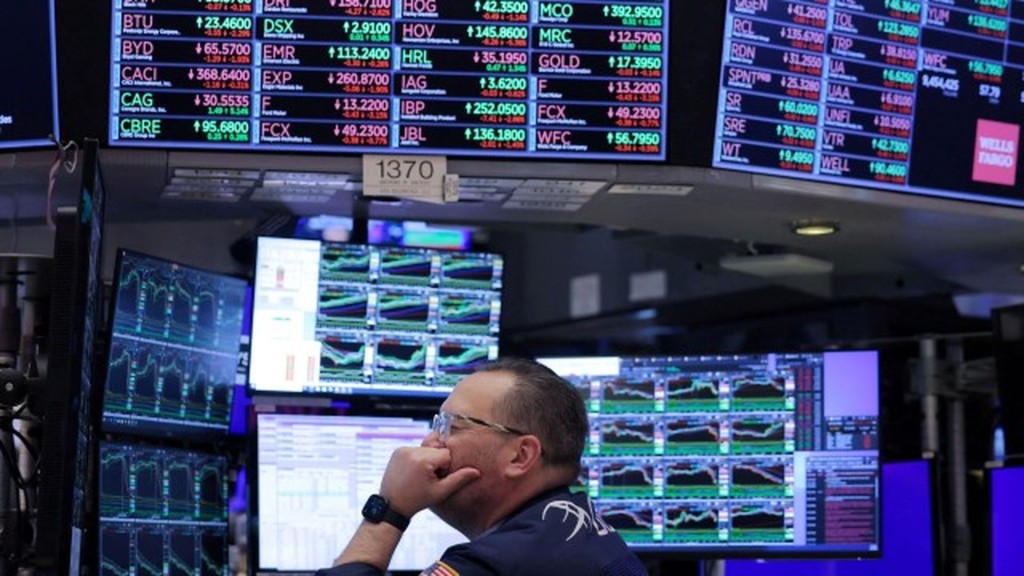
China's move to restrict mainland investors from trading in stocks overseas could trigger a massive market sell-off, especially in US stocks.
Investment overseas by mainlanders have surpassed the US$1 trillion (HK$7.8 trillion) mark in recent years, while the total amount of customer assets on two major cross-border online brokerages - Futu and UP Fintech - reached HK$689.62 billion in the first half of this year, their financial reports showed.
Of these funds, 55 percent to 80 percent were from mainlanders, according to Sun Tianqi, head of the Financial Stability Department at the People's Bank of China.
If China's regulators decide to totally ban overseas stock trading completely, mainland investors may be forced to sell assets worth trillions of Hong Kong dollars - compared to the HK$150 billion daily turnover in Hong Kong's stock exchange - in a short period of time.
These fears surfaced after Sun said last week that the online brokers are engaged in "illegal financial activities" because they have no "driving licenses" to operate in China.
Cross-border stockbrokers like Futu and Up Fintech have been operating in a gray area, allowing millions of Chinese investors to evade capital controls and trade shares in markets such as Hong Kong and New York.
In an analysis last month, the People's Daily said online brokerages operating across borders run the risk of violating data privacy rules. The firms are in the spotlight as China's personal information protection law takes effect today. The article said user data of both brokers are at risk of being compromised as they are required to provide information to the US Securities and Exchange Commission.
Other state media also said that regulators are working on rules to regulate businesses of online brokerages.
Meanwhile, the chances of the US Federal Reserve raising interest rates next July - a year earlier than previously expected - is adding pressure to the market.
In a Goldman Sachs report to clients on October 22, economists led by Jan Hatzius said the Fed will raise its benchmark from a range of zero to 0.25 percent soon after it stops tapering its massive asset-purchase program. A second increase will follow in November 2022 and the central bank will then raise rates two times a year after that, they said.
Editorial: Trading US stocks not fine with Beijing
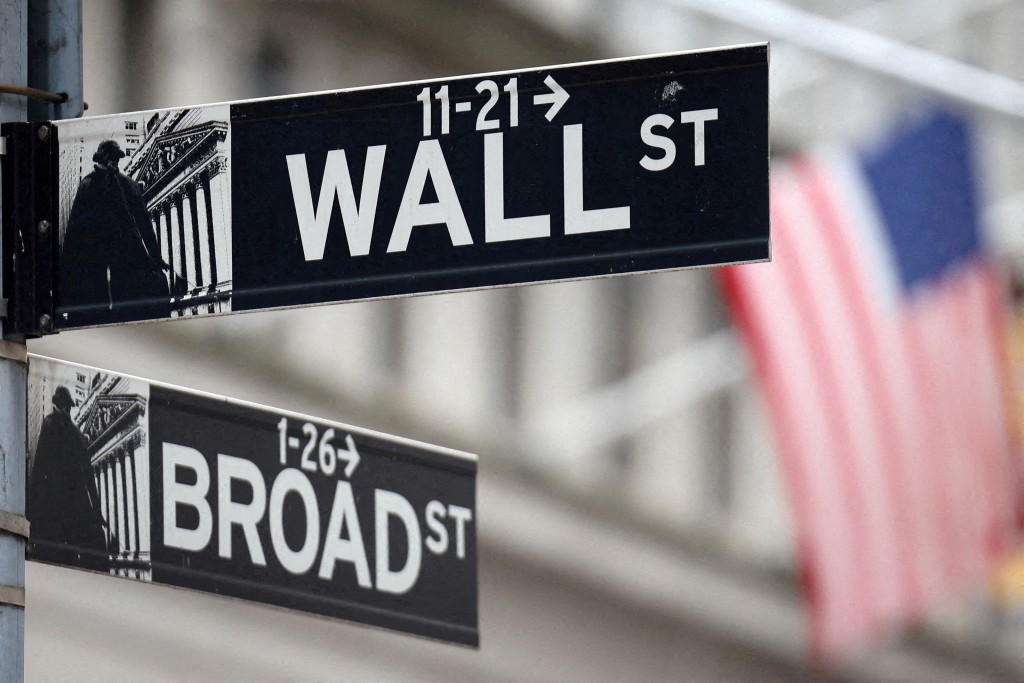
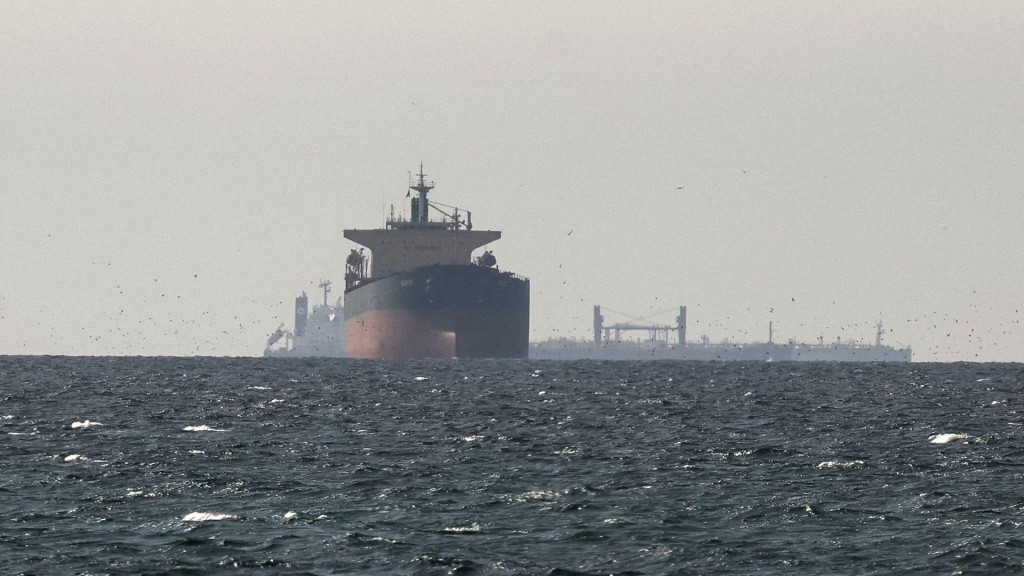
US stocks are particularly at risk over China’s curbs. AP