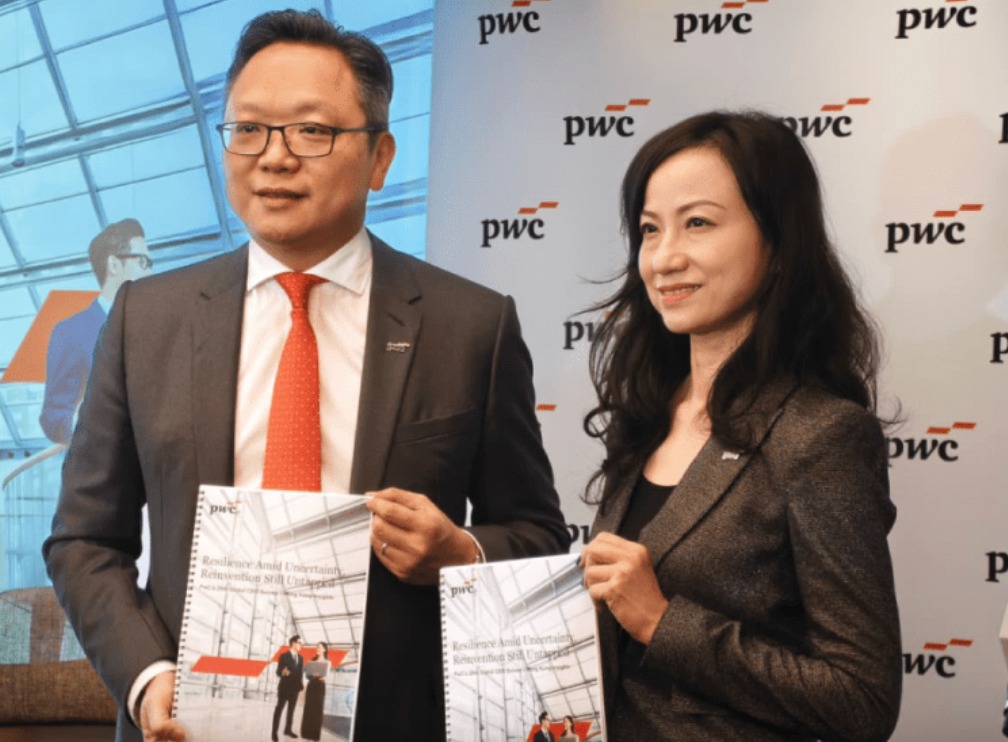
The survey, conducted between September and November last year, polled 4,454 chief executives globally, including 54 from Hong Kong, and marked the 29th year of the study.
98 percent of Hong Kong executives expect revenue to rise over the next three years, according to PwC. Confidence in global economic growth climbed to 70 percent, up eight percentage points from a year earlier, while optimism about regional economic prospects rose sharply to 61 percent from 40 percent.
Despite the upbeat longer-term outlook, Hong Kong executives remain cautious on major corporate actions. About 81 percent said they had no plans for significant acquisitions, far above last year’s 31 percent and the global average of 46 percent.
Hong Kong CEOs continue to face short-term uncertainties such as geopolitical tensions and tariff risks, prompting a more conservative approach to mergers and acquisitions, Charles Lee, vice chair and managing partner, PwC China.
He added that companies must balance global macroeconomic conditions with mainland China’s regulatory requirements, making decision-making more measured than in some other markets.
The survey also showed a shift in Chinese mainland investment preferences. While the United States remained among the top three investment destinations for mainland chiefs, the proportion selecting it fell to 27 percent from 46 percent a year earlier. Hong Kong’s share also declined, with only 12 percent naming it as a preferred destination, down from 30 percent.
Mainland firms are increasingly directing investment to markets such as Vietnam, Malaysia and the United Arab Emirates, reducing Hong Kong’s relative share, said Loretta Fong, sustainability assurance leader of PwC Hong Kong. She added that capital routed through Hong Kong to overseas markets does not necessarily indicate weaker commitment to the city’s economy.
On artificial intelligence, Hong Kong executives showed a higher tolerance for innovation risk than their global peers. Nearly 60 percent of Hong Kong CEOs said AI adoption had contributed to revenue growth, compared with a global average of 29 percent, underscoring the city’s more aggressive stance on emerging technologies.