What began as a side hustle less than two years ago could turn DeepSeek founder Liang Wenfeng into one of the world’s richest people — or a mere billionaire.
It all depends on who you ask.
The company is worth anywhere from about US$1 billion (HK$7.8 billion) to more than US$150 billion, according to seven startup founders and AI experts. The mid-range puts the firm between US$2 billion and US$30 billion, which would place Liang with his 84 percent stake among Asia’s wealthiest tech tycoons, according to the Bloomberg Billionaires Index.
“Even staying on the conservative side, the company could easily obtain a valuation in the billions with only a few million in existing revenue — not to mention taking future growth into account,” said Rudina Seseri, founder and managing Partner of Glasswing Ventures, a Boston-based venture capital firm. Seseri estimates DeepSeek to be worth at least US$1 billion based on peers such as Anthropic and OpenAI.
One startup founder and coder that Bloomberg spoke to is much more bullish. Chanakya Ramdev, founder of Sweat Free Telecom, a Waterloo, Ontario-based telecoms company, sees the firm at half of OpenAI’s US$300 billion valuation. That estimate — albeit a significant outlier — would give Liang a holding worth US$126 billion, a fortune higher than Nvidia’s Jensen Huang, the world’s richest chip billionaire.
Some of the estimates draw on comparisons with the world’s best-known AI startups. In addition to OpenAI, Amazon.com-backed Anthropic is valued at US$60 Billion, and French champion Mistral AI at US$6 billion. Others are benchmarking DeepSeek with its Chinese peers, such as Zhipu AI, worth US$3 billion according to a funding round last year.
Even so, valuations are in flux. On Monday, a group of investors led by Elon Musk offered to buy the nonprofit that controls OpenAI for just US$97.4 billion. OpenAI chief executive Sam Altman said “No thank you,” on Musk’s X social-media platform.
“It’s basically impossible to give a convincing answer here because it’s a secretive, privately owned firm that is internally funded by the founder’s trading profits,” Jeffrey Emanuel, founder and CEO of Pastel Network, a New York-based blockchain startup, said of DeepSeek. “So we know very little about how it has been capitalized, let alone its revenue and operating profit.”
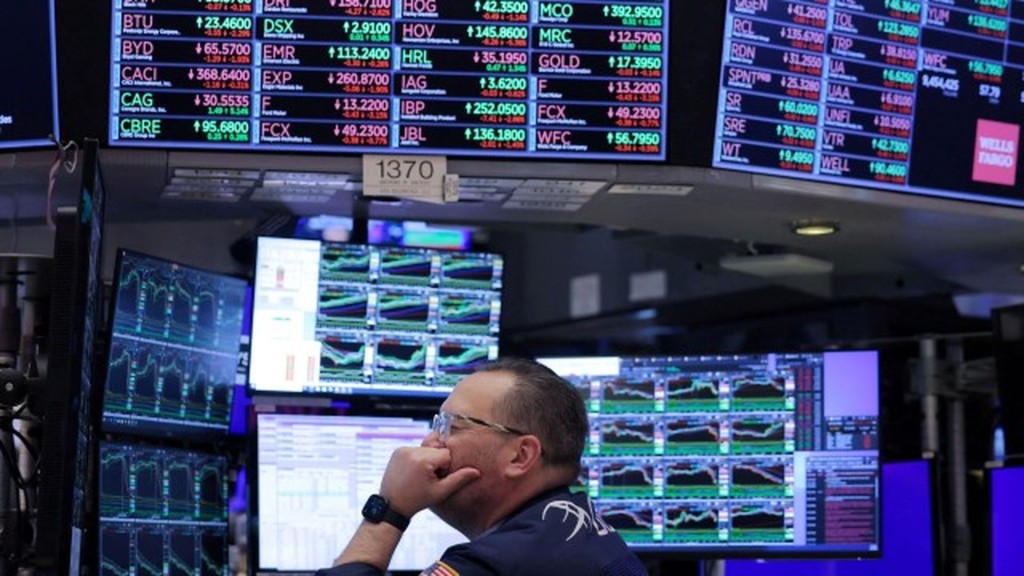
Almost overnight, DeepSeek upended many of the assumptions inside Silicon Valley about the economics of building AI, as well as the best technical methods for developing the technology and the extent of the US lead over competitors in China. That sparked the biggest stock wipeout in Nvidia’s history last month, while creating hope for a renaissance for China’s leading internet companies.
All that marks a dramatic rise for self-made tycoon Liang, described as a “nerd” by a former intern, who has already built a quant hedge fund that at one point ran US$12 billion.
Liang was born in 1985 in Zhanjiang, in China’s southern Guangdong province. His father was an elementary school teacher. He studied electronic engineering at Zhejiang University, a prestigious college in the city of Hangzhou, and also earned a master’s degree in information and communication engineering there.
Liang created DeepSeek in 2023 as an offshoot of the AI division for his hedge fund, Zhejiang High-Flyer Asset Management, which Liang and two other engineers from Zhejiang University set up. The trio began trading as students during the global financial crisis.
Outside of DeepSeek, the quant whiz is assumed to own 51 percent of High-Flyer worth US$71 million based on a comparative analysis, according to the Bloomberg Billionaires Index.
BLOOMBERG
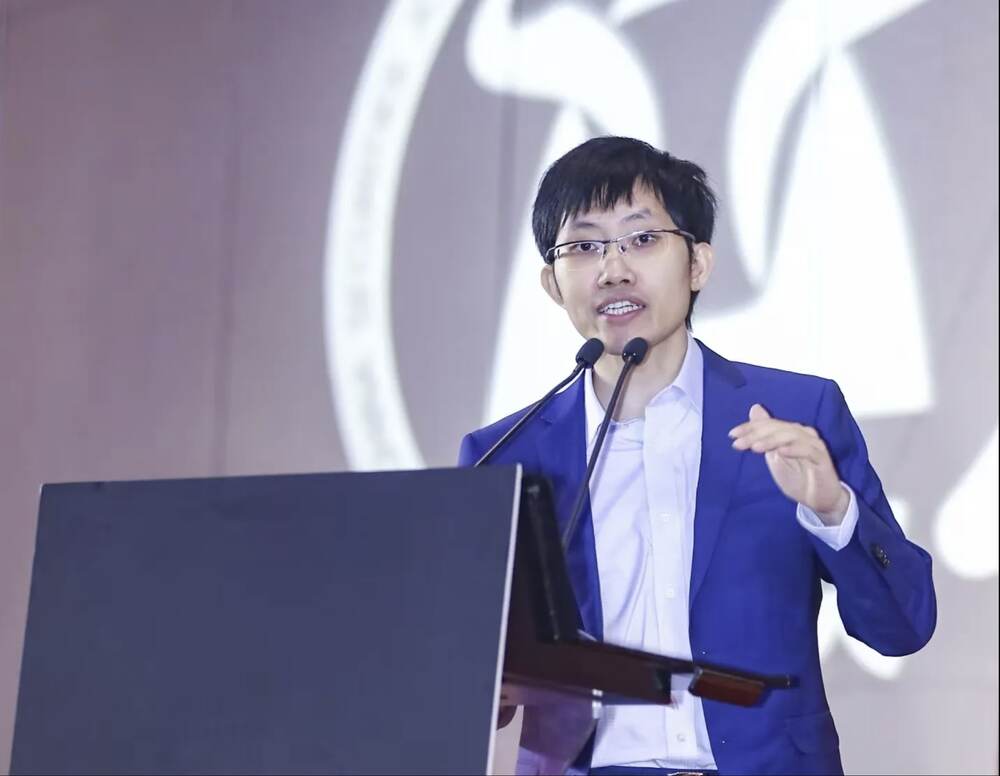
Liang Wenfeng in Shanghai in 2019. AP