In my article last week, I described the advantages of bamboo scaffolding for construction activities, but also warned against their improper erection, maintenance and use that lead to industrial incidents.
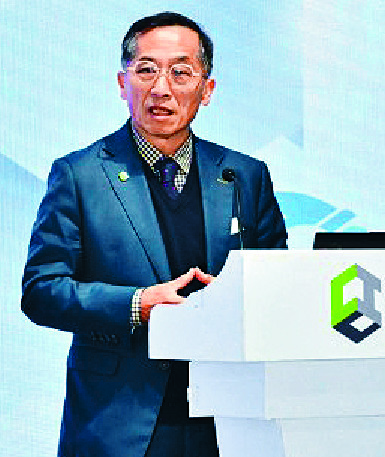
The Construction Industry Council is obviously concerned with safety and have recently organized a webinar to update and enhance knowledge to all stakeholders with a view to manage the risks of use of bamboo scaffolds.
First and foremost, it reminded all construction personnel to strictly adhere to the Code of Practice for Bamboo Scaffolding Safety. The code provides details of design, construction and use of bamboo scaffolding, and if properly observed, there should be minimal risks of danger.
But, more importantly, other activities that it often promotes should be observed. This includes design for safety, collaboration, safety management and use of innovative technology.
CIC also promotes effective safety training to those involved in construction and those using bamboo scaffolding.
To ensure proper control of these processes, it organized a webinar on this subject and suggested to limit the many layers of subcontracting, as too long a list of subcontractors will render control and supervision activities ineffective, severely affecting the ability to preserve a high level of safety.
CIC chairman Thomas Ho On-sing, who has been focusing on promotion of construction safety all along, suggested three golden rules.
These are: to conduct dynamic risk assessment, ensure on-site briefing and the need to stop work immediately when undue risks are identified. All agreed that, despite other precautions, the occurrence of bamboo scaffolding incidents can be minimized if these rules are observed.
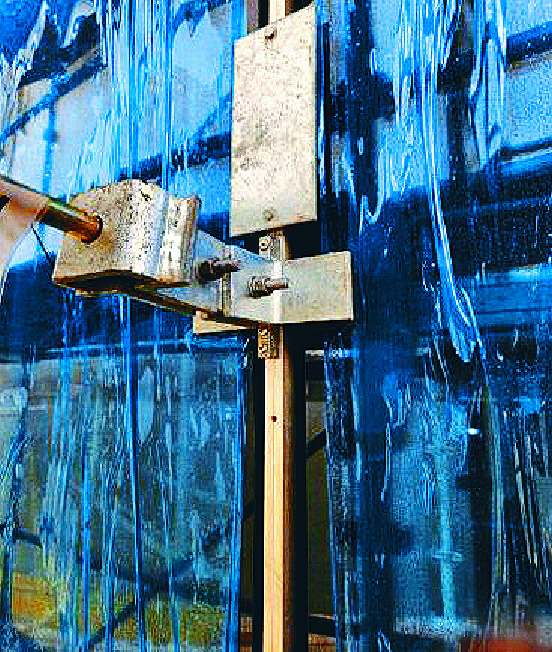
Also, before any bamboo scaffolding activities commence , the authorized person or registered structural engineer - or AP/RSE - the site agent and the competent person in charge of the construction of the bamboo scaffolds must meet to discuss and agree to the design and the construction sequence, especially the method of attaching lateral ties to the building facade.
The council also promoted the establishment of a "fatal zone" beneath the scaffolds, and to make sure that no excavation work can be allowed beneath it. Obviously, all must ensure the scaffolding is not overloaded.
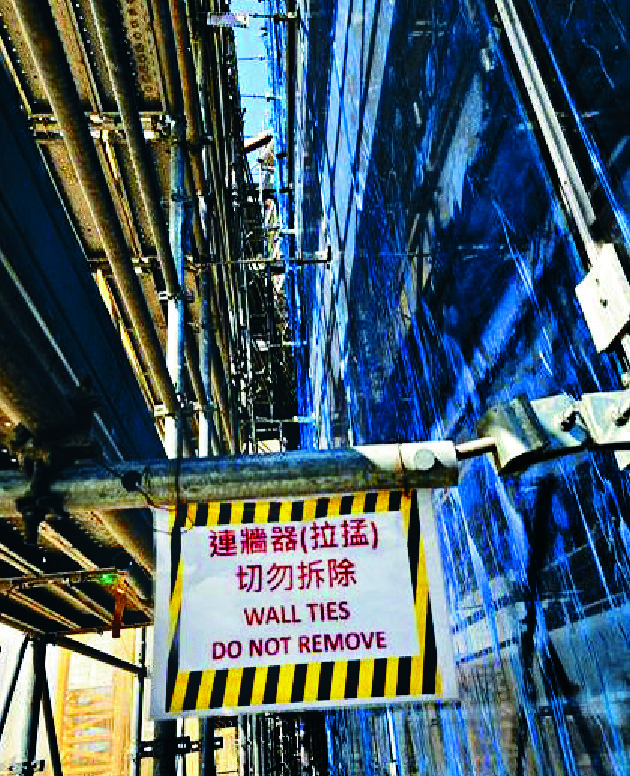
Sensors can be installed at the wall ties to forewarn any undue movements, whether they may be due to unscrupulous practices or inclement weather.
To avoid the need to use the scaffolds to install the last pieces of curtain walls, or to complete the last stage of wall tiling or plastering, they promoted the use of gondolas, after the scaffolds are removed.
Gondolas are almost standard provisions for tall buildings, and they should be used for such purposes rather than trying to complete the construction work with bamboo scaffolding left hanging while some lateral ties have been removed.
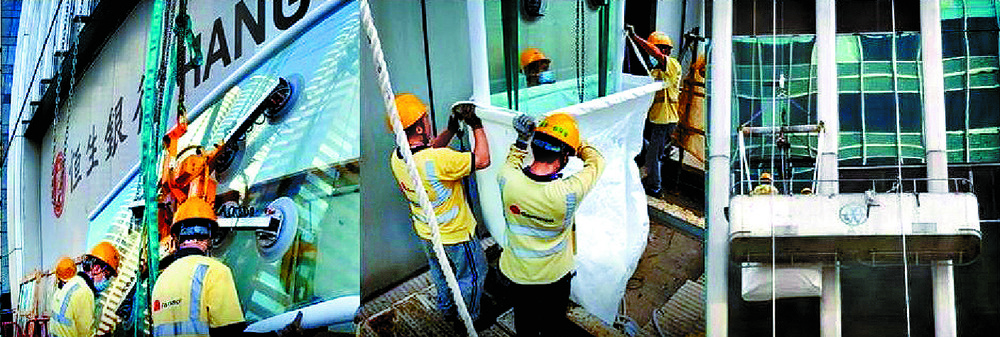
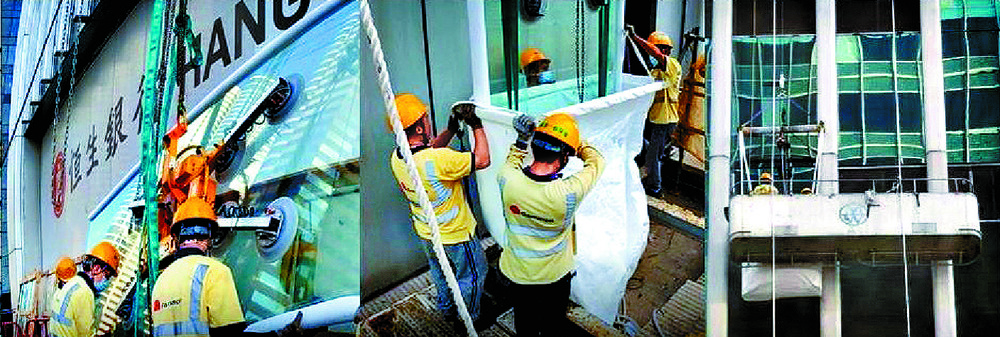
An often-related activity when using bamboo scaffolding to install curtain wall panels is the lifting activity of the removed panel during replacement.
CIC recommends the provision of a secondary lifting point for more secure lifting activity. The use of lifting bags instead of lifting components on a flat platform will also greatly minimize risks of falling objects to the ground. These two points will significantly minimize risks of falling objects when lifting.
Construction activities can be performed safely when rules and codes are properly observed, but unfortunately some workers, for expediency or to save costs, often neglect the vital safety precautions. With less than effective supervision, the risks could become larger and larger, until incidents inevitably occur.
With good promotion for design for safety, sound planning of construction activities down to actual site level under effective supervision, there is no reason why construction activities cannot be conducted in total safety.
Unfortunately, the complex and varied activities often require professional participation at all levels and any lax action will severely weaken the inherent safety system, attracting unfortunate incidents to occur.
When such incidents result in serious injuries or fatality, the price becomes too high and must be prevented. Even more serious is that, when bamboo scaffolds fall, they may even affect the life of passersby who happen to be walking beneath them.
We must do our utmost to minimize future incidents on construction activities. The price of human life is too high for us to neglect them.
Veteran engineer Edmund Leung Kwong-ho casts an expert eye over features of modern life
Clockwise from above: a lifting bag is used to remove damaged panels, a recommended securing method for lateral ties, a warning to workers, and Thomas Ho addressing the webinar.