Hong Kong started the New Year with an extravagant fireworks display that attracted more than half a million people.
An estimated half of those who watched the fireworks were mainlanders, but many of them left Hong Kong once the celebrations were over.
Unfortunately, the only border crossing open 24 hours was Huanggang, but its handling capacity obviously fell short of meeting that sudden surge in travelers.
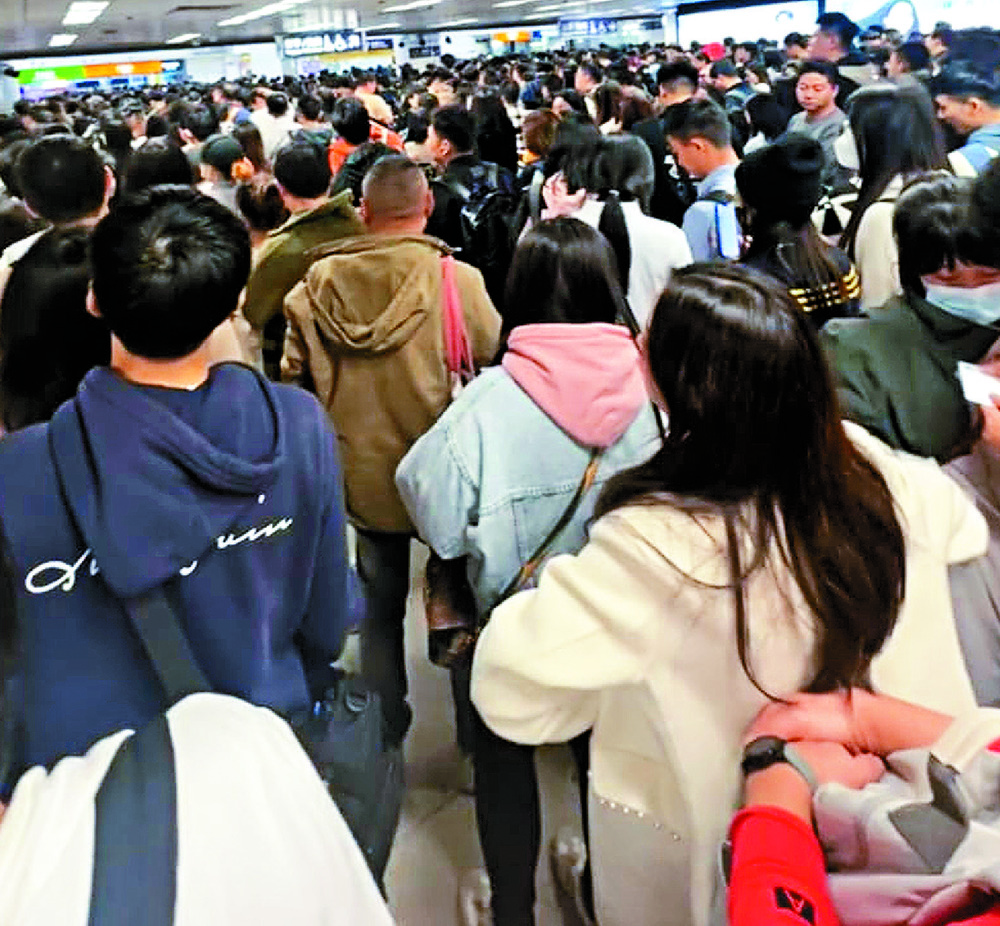
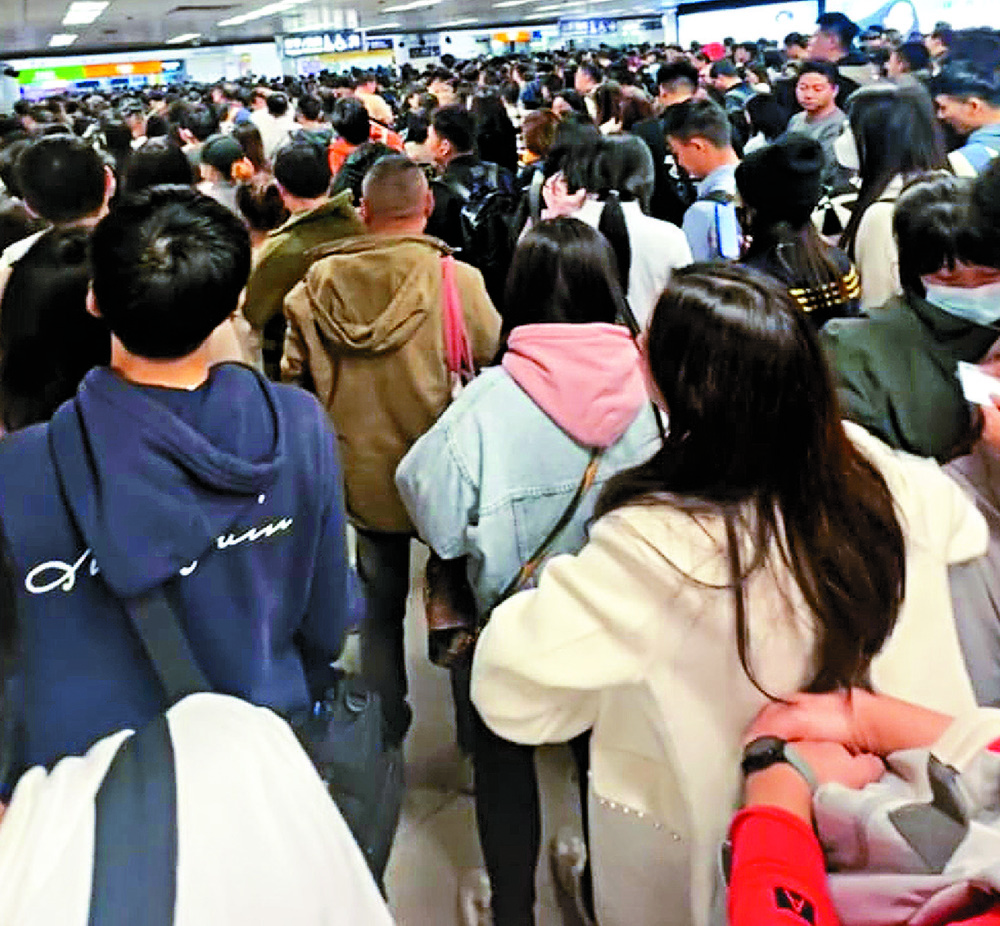
As a result, large crowds were left stranded at various locations, causing inconvenience and disappointment and resulting in complaints circulating on the popular social media Xiaohongshu.
The first question I'd like to ask is: where in the world are there late-night border connections that can handle tens of thousands of travelers?
I would hazard the guess that there is none.
Clearing such large numbers through one crossing at 2 am just won't work.
It will overwhelm not only immigration facilities but all other transport nodes leading to them.
We saw long lines of thousands in Mong Kok trying to get on cross-border coaches, but unfortunately, thousands of private limousines also traveled at the same time to Huanggang on the same narrow strip of approach roads.
The extra coaches brought in to provide the additional services were stuck in long traffic jams and could not return to pick up passengers within the 60-minute cycle that their operators envisaged.
The overflow caused many people to gather at railway stations overnight to wait to take cross-border trains the next day.
Indeed, it was fortunate that the large crowds remained orderly and there were no reported cases of casualties or injuries.
Transport systems should never be designed to meet once-in-a-year peaks.
Instead, such sudden high demands must be managed to avoid overloading the system. Those tourists who'd expected to cross the border in the wee hours were taking a chance.
There is no single solution to prevent this from recurring. But the following suggestions may help.
Such travelers should be forewarned about likely overcrowding at the one and only passenger border crossing at those early hours and encouraged to make arrangements to stay the night here.
Second, like with all crowded highways, dedicated bus lanes would be put into practice to give priority to coaches and buses over private and smaller vehicles for more efficient road use.
This is an established arrangement for moving large numbers of people at peak hours.
But the most efficient way to clear large masses of people must be railways.
We already have cross-border railway services, and the railway company has also provided 24-hour services on some festival days locally.
Coordinating with mainland immigration authorities to open up Lo Wu and Lok Ma Chau crossings overnight on special occasions can result in far quicker clearances of people en masse.
A nine-car train can carry 2,500 passengers, compared to 50 for a coach. That increase in throughput is at least 50 times.
It is never easy for an established transport system to cater for sudden surges in demand, but good planning and coordination can usually help alleviate the situation.
Let's hope that the next time we have a huge late-night event, we can cope with the extra traffic volume by the above means.
Veteran engineer Edmund Leung Kwong-ho casts an expert eye over features of modern life
Mainlanders encounter post-countdown waits in, clockwise from left, Sheung Shui, Lo Wu and Prince Edward.