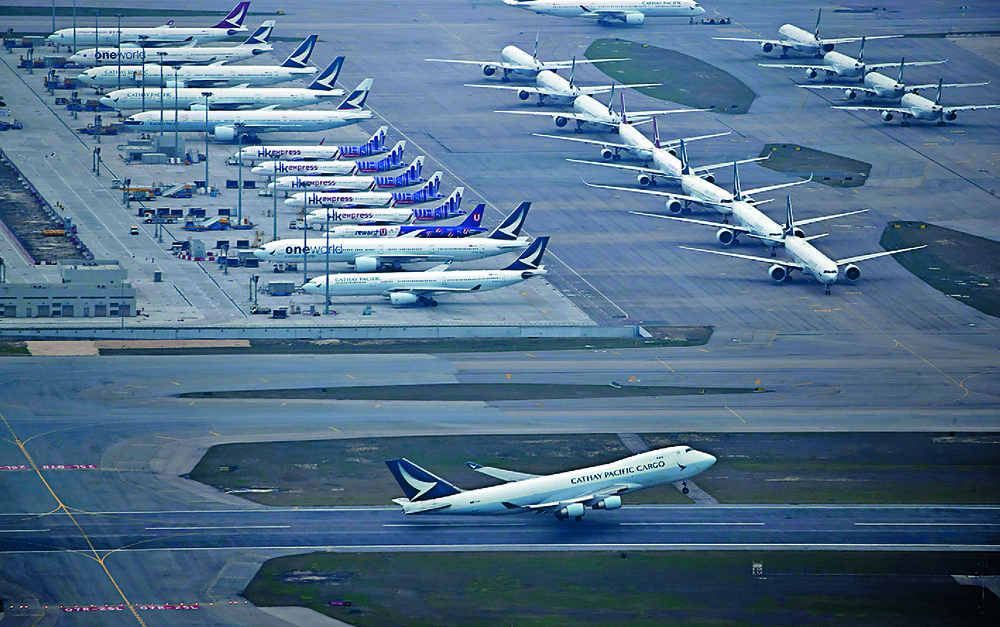
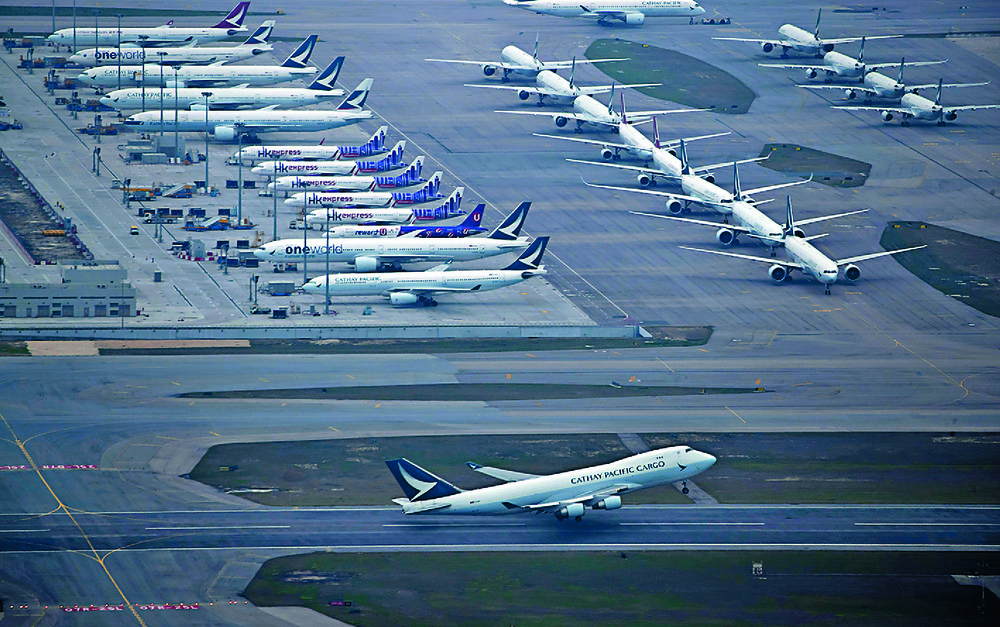
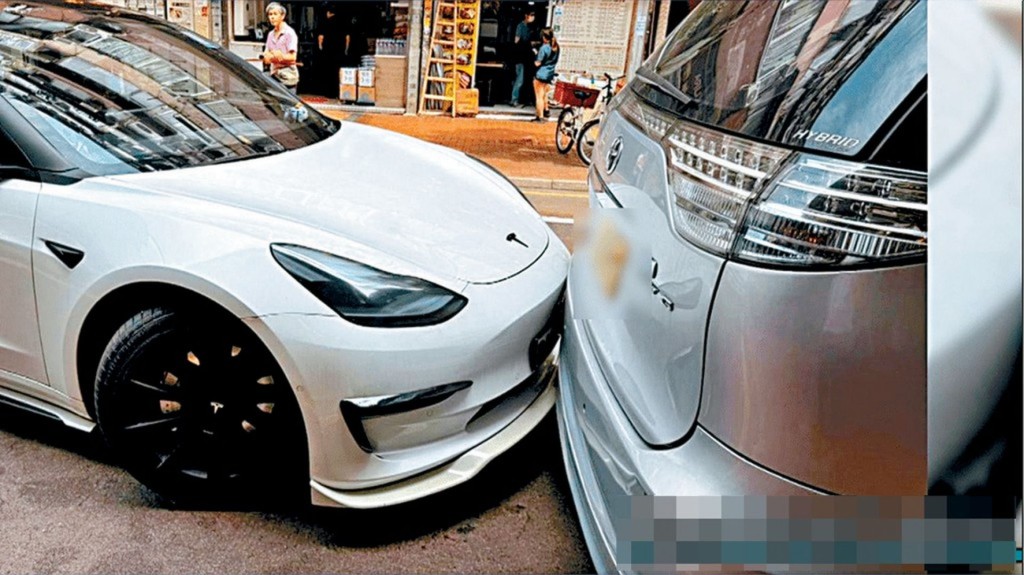
There's a huge difference between flying a plane and driving a road vehicle.
To start with, it's three-dimensional instead of two.
The sheer size, weight and the safety requirements are many times larger and more important.
Even more important, while drivers can choose to stop immediately at the roadside when a problem occurs a pilot has no means to hold the plane in the sky but must find a way to land, even in adverse weather with limited visibility.
Hence the vital necessity of clear and visible runway markings to ensure the pilot can be guided to safe landing at all conceivable conditions.
Runways are numbered not by simple ascending order, but to denote the direction so the pilot can easily check from the navigation compass for confirmation.
For example, runway number 25 means that the runway is orientated at a compass bearing of about 250 degrees from north, but with the last digit deleted for easy recognition.
As runways are usually available for use in both directions the numbering for the same runway from the opposite direction is denoted 7 or 07. The two numbers would be 18 apart, since two opposite directions are always 180 degrees apart.
For large airports with parallel runways, such as Hong Kong's, an additional alphabet with L for left, C for center and R for right, such as 25L, specifies the particular runway a pilot has been directed to use.
Apart from the numbering mark there is also a center line, with stripes and gaps like dotted lines on a road marking, to provide guidance to the pilot to direct the plane to stay in the center of the runway for accurate landing and take-off.
To guide planes to safe landings there are a series of other markings to help pilots, such as touchdown zone markings and runway edge markings.
As a plane moves away from the runway to the taxiway there are other markings to guide it to the terminal, but the markings are all in yellow to distinguish them from the white markings on the runways.
Unlike the runway's dotted center line, the taxiway center line that guides the plane to its final docking position is continuous.
There are also transverse dotted lines and solid lines to control the movement of the plane at intersections.
For taking off at busy airports with many planes queuing up to get to the runway these transverse lines help to keep them from closing up to the planes in front for safety.
The solid lines remind the pilot that they must not go over them before permission is granted from the control tower.
On concrete or other light-color runway and taxiway pavements, all markings have black borders on the edges so they are more visible to the pilots.
These markings are commonly used in all airports all over the world, irrespective of language, providing simple and unambiguous directions to all pilots to facilitate landing and take-off in all types of conditions.
As the pace of the world gets more rapid air travel has become an essential part of our daily life, both for business and social purposes.
Air traffic control systems the world over have been developed to use the same convention to direct air pilots.
Although we may seldom take notice of this well-developed system to protect us, we should be thankful to those who helped to make our travel so much more reliable and safe.
Veteran engineer Edmund Leung Kwong-ho casts an expert eye over features of the modern world