Read More
Sustainability is a critical aspect of strategy for businesses of today. Companies the world over are increasingly stepping up efforts and in their work culture to achieve targets in this regard.
ADVERTISEMENT
SCROLL TO CONTINUE WITH CONTENT
Engineers are pivotal to the progress to be made in the future of sustainable development. The scope for the sustainable and clean energy technology sector is vast, with roles to be found in electrical, civil, and environmental engineering.
In September I said there is a growing interest in environmental, social, and governance investment or other versions of sustainable investment because they can be both ethical and profitable.
Bloomberg, at its latest ESG 2021 Midyear Outlook report, estimates by 2025 a third of the world's capital, at more than US$50 trillion (HK$390 trillion), will be invested in ESG assets.
So, here I want to examine another key role whereby engineers can contribute skills and lead investors into a successful transition to a low-carbon economy.
There is increasing pressure on global institutional firms and government pension funds to justify investment decisions. They are betting on climate innovation.
Engineers and scientists are inspired to pursue climate-related innovation. The International Energy Agency calculates new patents related to core cleantech like batteries, hydrogen and carbon capture are far outpacing those in other technologies.
It's going to become harder for bankers and capitalists to invest in firms that don't have realistic timeframes and objectives that align towards net zero emission targets.
For example, ANZ bank has created products that encourage customers and investors to set targets that relate to decarbonization or increasing renewable energies. Their loan margins are tied to these targets, which bring discounts if met.
But the common-sense approach is not good enough; investors have to seek professional advice. The change in attitude by big banks and superfunds directly impacts the engineering profession.
As sustainability becomes a clear focus for organizations, more financiers are looking to hire engineers in non-engineering roles to capitalize on their unique skills and insights.
First, big banks like JPMorgan Chase have staff to focus solely on climate and green issues - from making smallish loans to pre-venture firms in the sector to project finance for capital-intensive initiatives like indoor farms and solar-power plants.
If someone has an engineering degree but finds herself drawn to the finance side, there is a great overlap here because investors appreciate hearing the business case when considering engineering projects.
Second, many corporate giants are going beyond hollow commitments and investing directly in climate technology. These projects inevitably have a range of technical engineering requirements.
If an engineer can strongly articulate the financial or economic benefits for certain design elements, be that using low embodied carbon materials or how that can lead to savings, or be able to talk about both the economic and financial side then that really appeals to the financial world.
Such corporate investments surpassed US$58 billion from 2017 to 2020. This is where a new and real opportunity lies for engineers as the expert who can bridge the gap between what must happen to address climate change and what can be done.
Business schools and engineering faculties such as at the London School of Economics and EDHEC are launching double-degree master's programs in climate change and sustainable finance.
In September, Hong Kong University of Science and Technology announced a new bachelor of science program to equip students with interdisciplinary knowledge and skills to fill the talent gap for green technologists and sustainable finance experts in helping Hong Kong develop into a leading green finance center. It can be a sexy career option for a new generation of engineers.
Dr Jolly Wong is a policy fellow at the Centre for Science and Policy, University of Cambridge
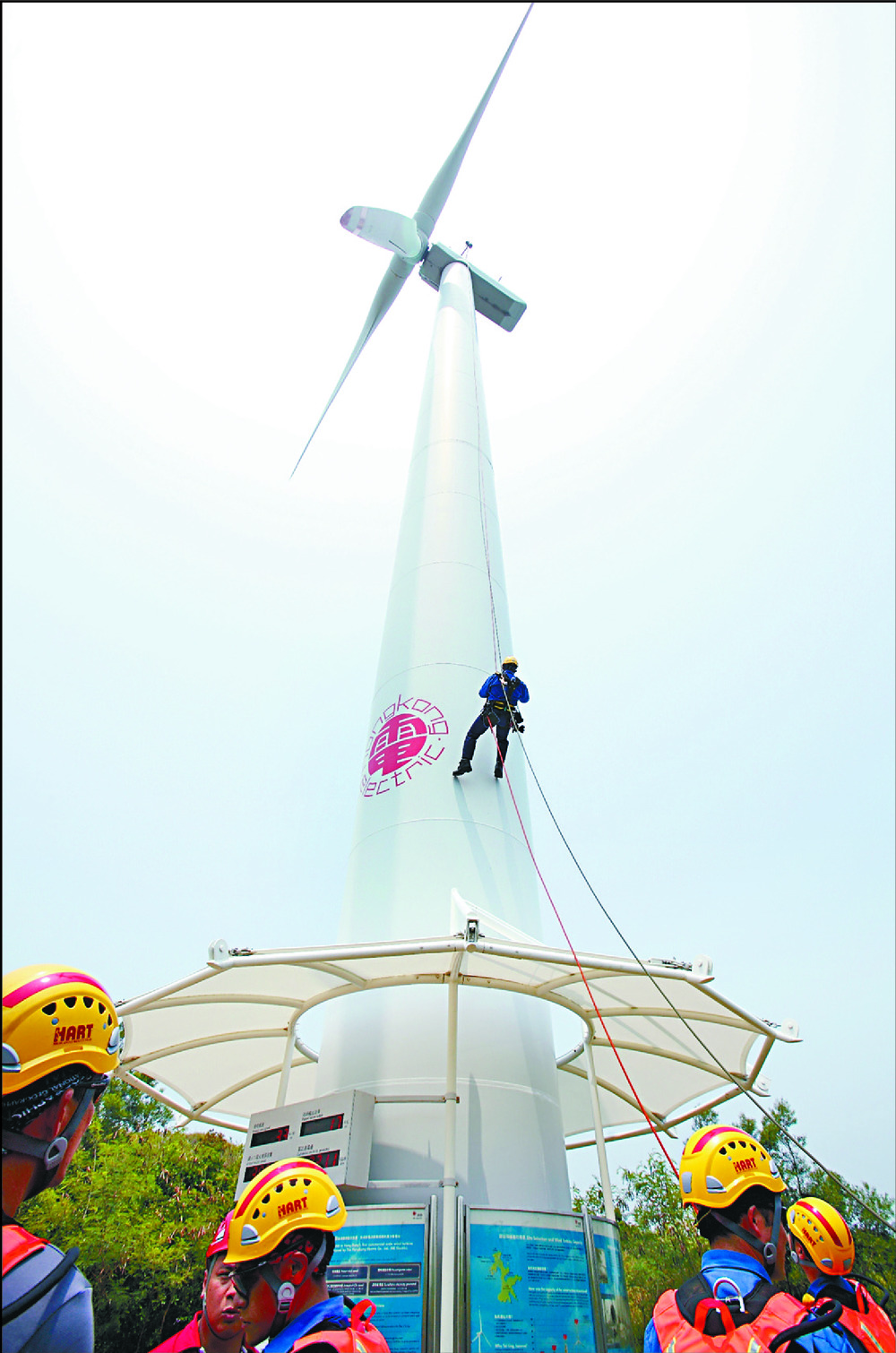
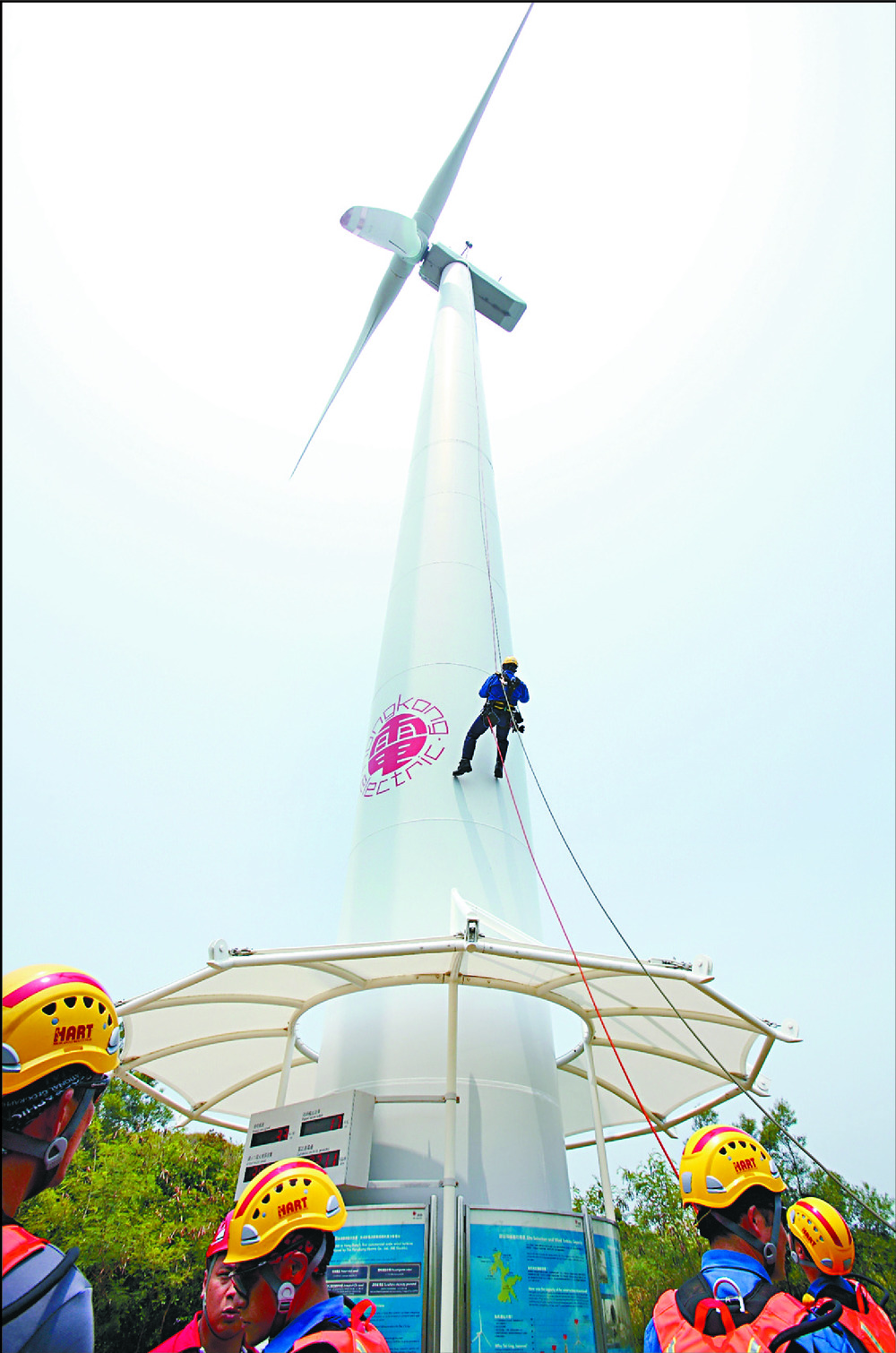
Engineers do not all have to scale heights like this one at Lamma Winds as corporate giants look for experts who can articulate the case for certain projects.