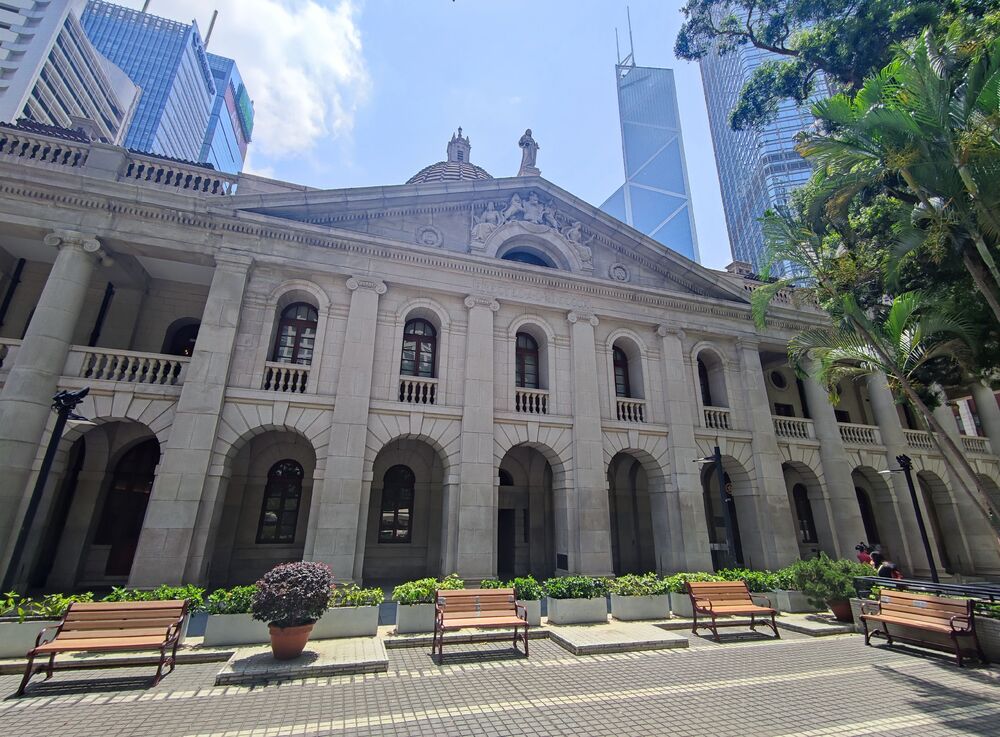
Hong Kong has a highly distinguished Common Law judge, the 91-year old Lord Hoffman, sitting in its Court of Final Appeal. He no doubt fully appreciates how difficult it can be to write a legal judgment, especially in long and complex cases, because judgments must “tell the story, identify the issues, summarize the law, explain what findings of fact the court has reached and – the difficult bit – set out the evidential basis for those findings.”
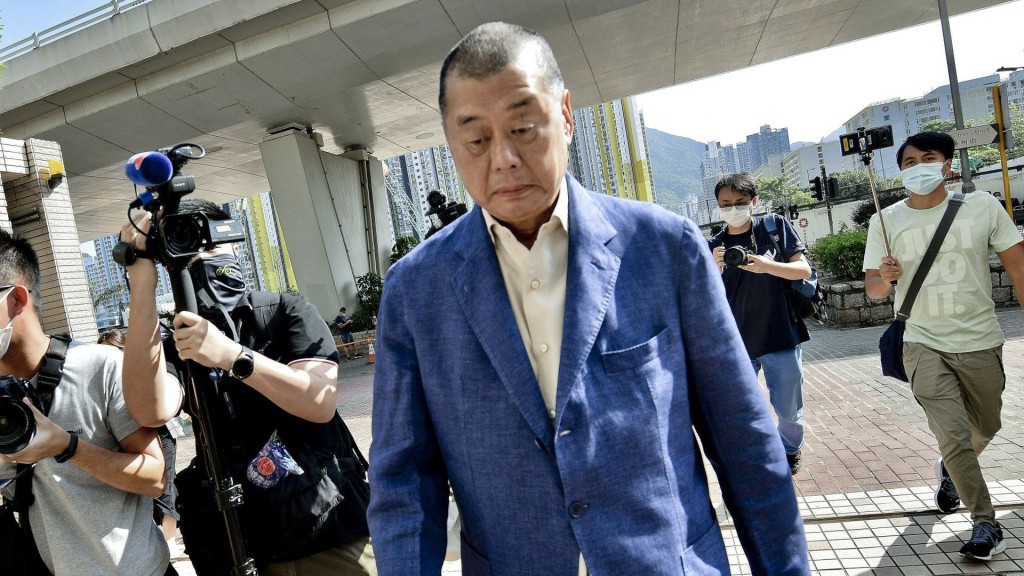
Those rules came to mind as I read – most but not all – of the unusually long but succinct 856 pages of the judgment in the trial of Jimmy Lai. The three judges have not only found the notorious former media baron guilty of all the criminal charges, they have also confirmed the good health and independence of Hong Kong’s judiciary. These three judges, who are all highly experienced in the common law, set out the evidential basis for their findings in great detail and with exemplary care. As is their duty they gave meticulous reasons for their conclusions, which of course may be appealed before the Court of Final Appeal.
Obviously, it is not possible in this short article to review the judgment in any detail but one aspect that especially interested me was the explanation of the precise role Jimmy Lai played in the events leading to the 2014 Occupy Central movement and the subsequent 2019 and 2020 riots and mayhem that necessitated the eventual enactment of the National Security Law and Article 23.
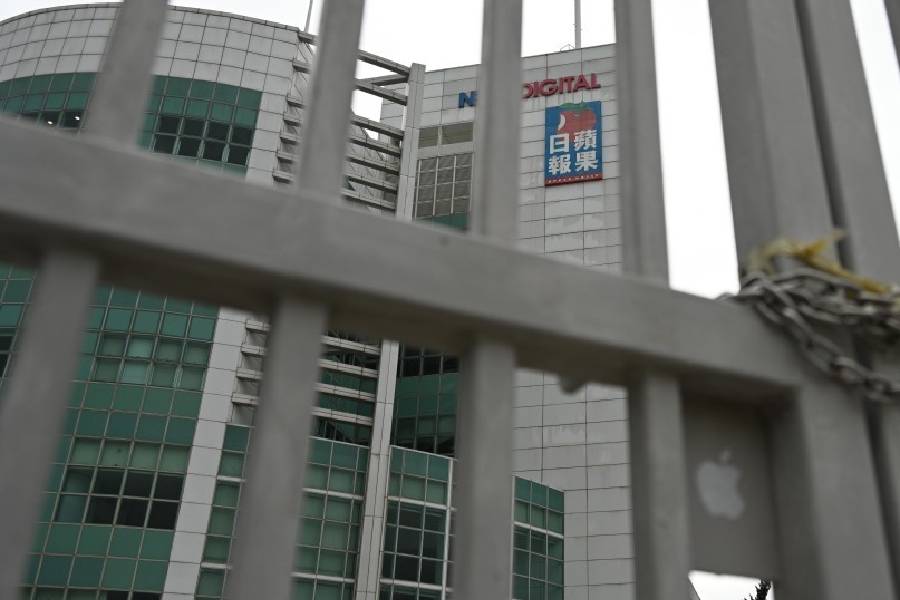
In chapters 7 and 11 of the judgment, the court elucidated Jimmy Lai’s role in encouraging and igniting the 2014 movement and the tragic events of 2019 and 2020. At those times when Lai had editorial control of Apple Daily, the judges quote the evidence of an accomplice that Jimmy Lai used his newspaper to encourage people “to take to the streets to put up resistance.” Another accomplice testified that Lai said after 2019 that there “should [be] more understanding towards non-peaceful protests or demonstrations.” At a later stage, Lai’s position shifted when he said that there “should not [be] any division between the peaceful and the violent protesters.” The judgment says that in 2019, Lai played a major role in encouraging resistance to the government’s policies and that he provided financial support to the demonstrators.
Another accomplice testified that Lai even dared to suggest the possibility of “seizing an opportunity when President Xi Jinping would be in a weak position and 'to kick a man when he is down.'"
Thus, there came about the inevitable and tragic irony that Jimmy Lai’s own actions necessitated the enactment of the National Security Law that brought him to justice. In a very real sense, his arrogance and conceit grew and grew until they became his own worst enemies.
Ever since he had fled the mainland, he had been consumed first by hatred of its government and then by an equal hatred of the post-1997 Hong Kong government. He preferred martyrdom to any acknowledgment of defeat.
Another area of the judgment which I was appalled by was Lai’s evident deep hatred of our courageous police force, who saved Hong Kong from mob rule and anarchy. He expressed support for the slogan “Death to all the black cops and their families” and alleged that the police “were treacherous and full of lies” and “the worse enemy of the public." In his eyes, the police could hardly do any good. They were seemingly villains through and through. No doubt he felt the same hatred towards anybody who opposed his views.
I doubt many, if any, of the readers of this column will have read the entire judgment but I can assure you that the judges have done a great service to Hong Kong with a judgment that ranks as a landmark of judicial clarity.
Happy New Year!
Cheng Huan is an author and a senior counsel who practices in Hong Kong