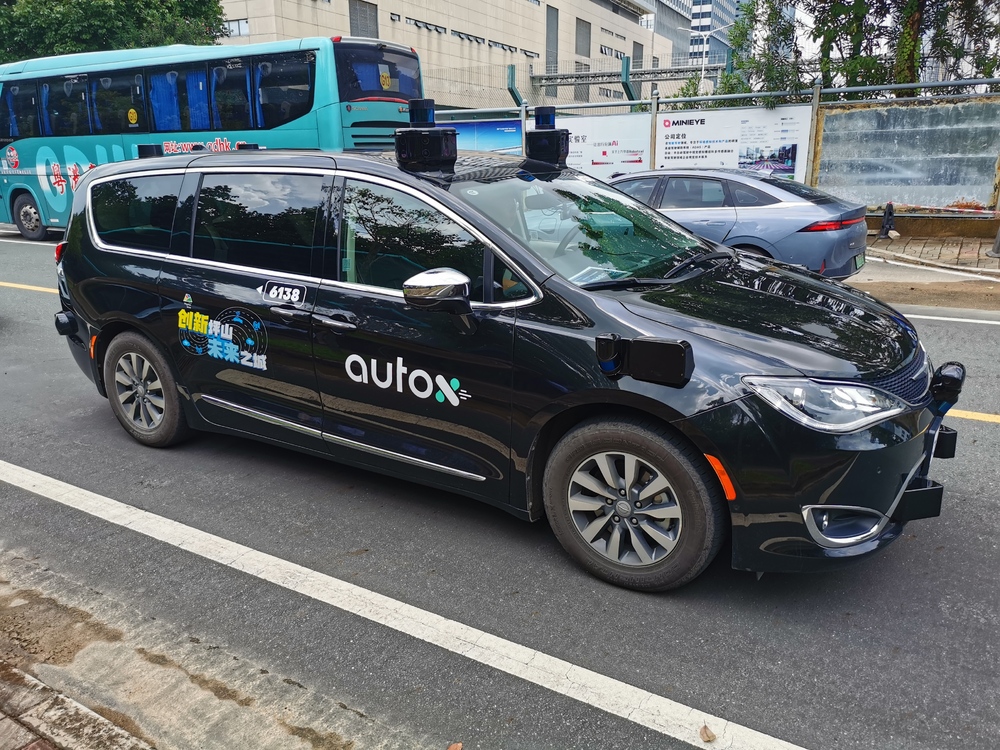
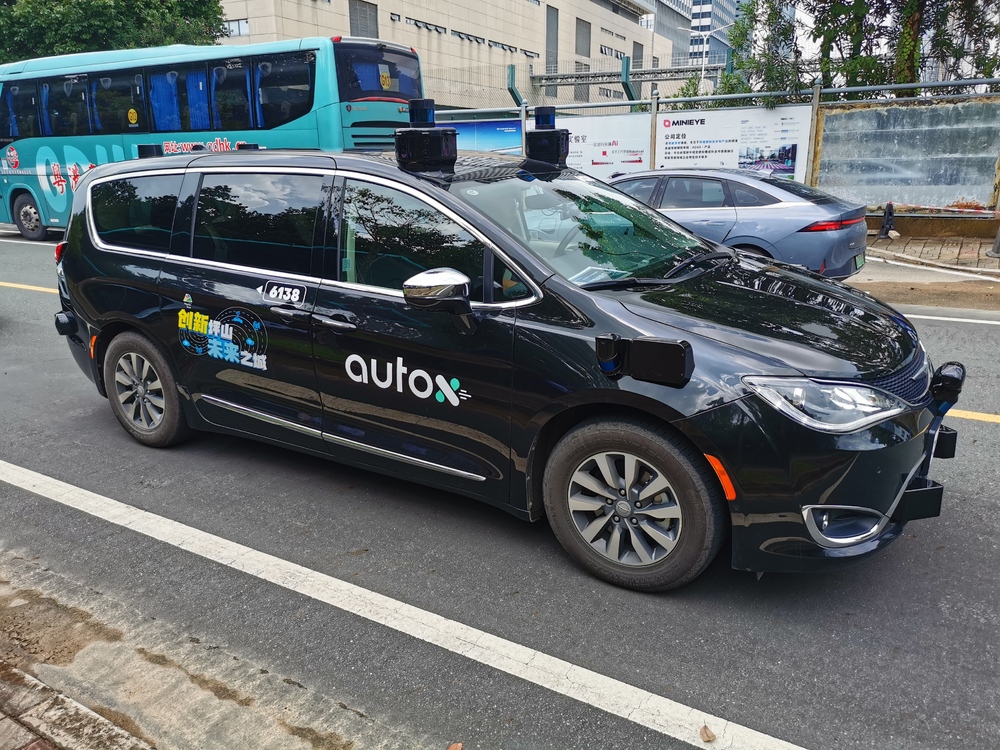
Another piece of innovative technology that I witnessed during my visit to Shenzhen last month was an automated vehicle, which I had an opportunity to experience.
To understand automated driving, let us revisit its definition.
The Society of Automotive Engineers divides it into six stages:
Level 0 is when there is no automation, and control is totally by the drivers.
Level 1 provides assistance, typically cruise control to allow a vehicle to run at a nominally set speed.
Level 2 involves partial automation, with a car able to steer or brake to stay in lane or to avoid other vehicles.
Level 3 is conditional automation, providing automatic steering, speed control and braking in mixed traffic. The driver can regain control in a short time.
Level 4 is high automation, with a guiding system to allow stopping and parking, without intervention.
Level 5 is full automation, with route and destination control being preset or driven by a central control room.
Manufacturers in many parts of the world have been able to test vehicles at the Level-5 stage, but any commercial application depends not just on technology but also on local ordinances.
Cities are careful to ensure accidents don't occur, especially when mixing automated vehicles with driver-controlled vehicles as the reaction of a driver in an automated vehicle can be unpredictable.
Also there could be other conditions that scientists have not yet allowed for.
For technology, automated driving depends heavily on the use of LIDAR (light detection and ranging), an optical equivalent of radar, and a GPS system.
The latter can only work efficiently with 5G telecommunication as fast responses within a fraction of a second are vital, bearing in mind that at motorway speeds, action to avoid other traffic must be activated within milliseconds.
The system I tried was adapted to a conventional car, and although a test driver was behind the wheel, at no time during my 20-minute ride did he ever need to take any intervening action on public roads that had mixed traffic.
That approached Level 4 automation, though its automatic parking abilities were not shown, as the holding compound for the more than 10 vehicles in the test fleet was too small to allow it.
But the safety features of mixing with normal traffic, starting and stopping at lights, merging into adjacent lanes and speed control to avoid a jerky acceleration and braking, were totally in line with professional driving standards.
One vehicle in the fleet did suffer a fault in control, but it slowed gradually and stopped safely at a roadside, allowing another vehicle to pick up the passengers to continue on with the demonstration.
This showed the situation was safely under control even when faults occur on those rare occasions.
Level 4 application on our congested roads may still be too far away, as our tight traffic conditions may defeat the system, especially at tunnel entrances where cars often move within a fraction of a meter of each other. But I am convinced that, in some new districts, with suitable road designs and lighter traffic, it will work efficiently and safely.
Automation is being applied to many of our daily activities, and automated driving will help to redeploy manpower for more efficient operation of cities. But new regulations and better road planning and design is necessary to ensure total safety and convenience for all.
Veteran engineer Edmund Leung Kwong-ho casts an expert eye over features of modern life