Ratings are useful, in theory. They tell us what should happen. But sport rarely follows the script and 2025 became the year the best horses in the world had to prove it where it mattered – on the track, under pressure and away from home.
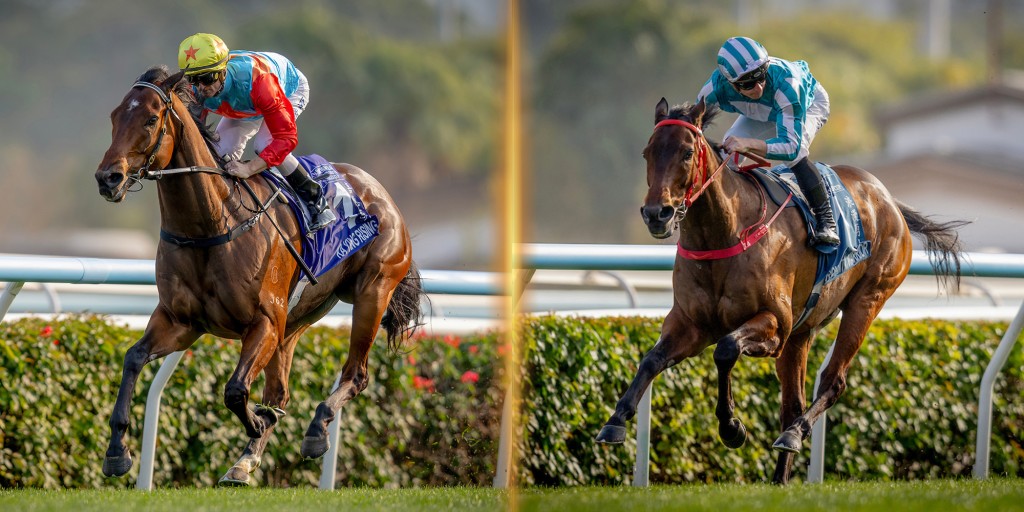
The Longines World's Best Racehorse Rankings crowned Calandagan the world's number one on a mark of 130 – fair enough. But what made 2025 interesting was two of the five horses chasing him at 128 - Forever Young and Ka Ying Rising. Calandagan, Ka Ying Rising and Forever Young all shared more than a figure: they spearheaded a season defined by global confrontation.
Most years, racing debates whether the World’s Best Racehorse Rankings have captured reality. How do you compare a European champion to a Japanese dirt star? A Hong Kong sprinter to an American classic winner? You can’t, really – not unless enough horses are taken out of their comfort zones.
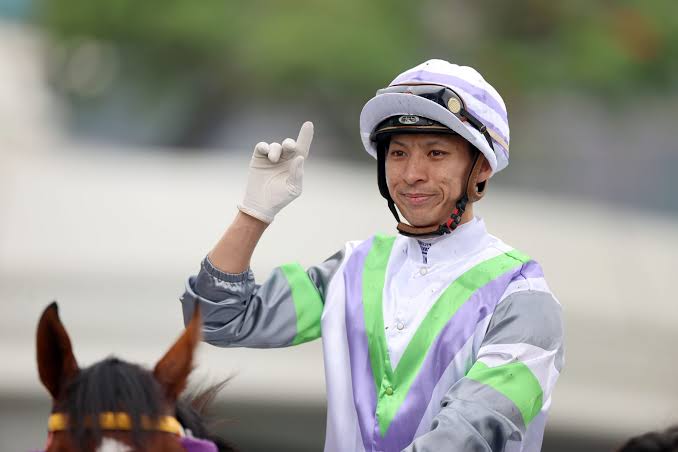
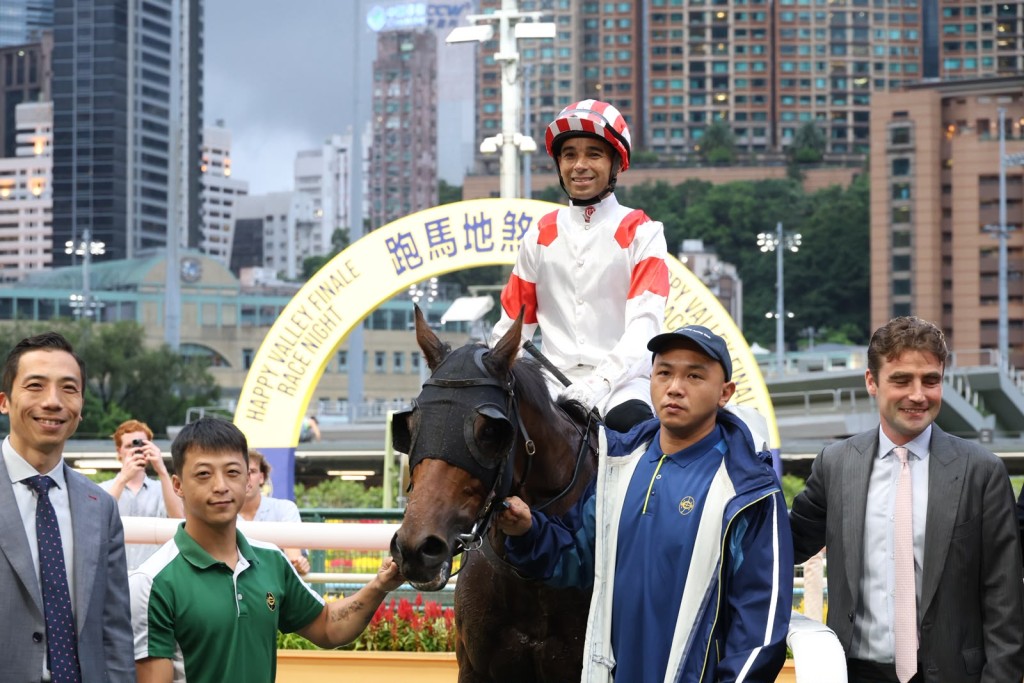
Ka Ying Rising arrived at Royal Randwick for The Everest carrying the weight of Hong Kong expectation. Local punters crushed him in the World Pool while Australian bookmakers searched for reasons to oppose. In the end, the numbers were right. Zac Purton delivered a nerveless ride, the gelding delivered under immense pressure and Hong Kong had a global sprint champion. His year-end mark of 128 made him the highest-rated Hong Kong horse in history – above Able Friend, Beauty Generation and Golden Sixty - and even his contemporary Romantic Warrior.
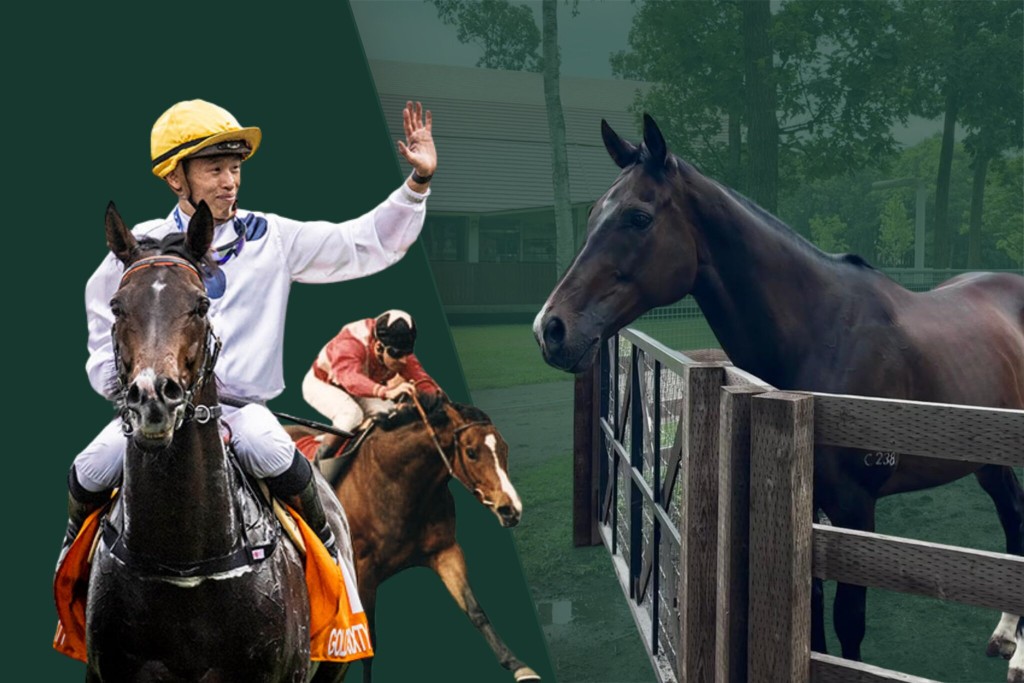
Forever Young's 128 was built on even more compelling foundations. When Yoshito Yahagi's four-year-old ran down Romantic Warrior in the Saudi Cup, it was an iconic moment – Japan's best dirt horse denying Hong Kong's greatest traveler in the world's richest race. And when Forever Young powered clear at Del Mar to win the Breeders' Cup Classic, he became only the third non-American winner in history. Japan had chased that race for decades and Forever Young finally caught it.
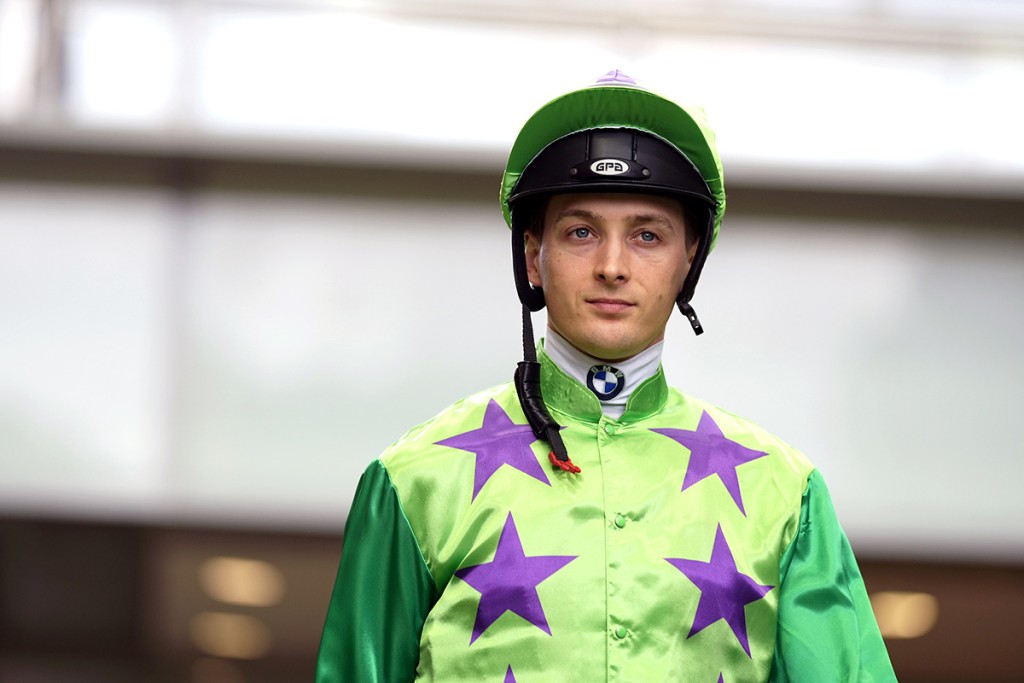
Then there was Tokyo. Calandagan's head victory in the Japan Cup fully restored the race's international relevance. Since Alkaased in 2005, 62 foreign horses had tried and failed. Trainers stopped sending their best. But Francis-Henri Graffard believed in his horse's ability and Mickael Barzalona trusted what he was riding. The result was a track-record 2:20.3 – faster than Almond Eye’s famous mark – against the Tenno Sho winner Masquerade Ball, Dubai Sheema Classic winner Danon Decile and Japanese Derby winner Croix du Nord.
Masquerade Ball's 128 came from finishing a head second to the world's best. That's the beauty of 2025: the ratings stack up because the races produced genuine, elite-level competition.
Romantic Warrior sits at 127 despite an injury-hampered campaign. A fourth Hong Kong Cup victory extended his own record in the race, and his career-high rating makes him the equal second highest-rated Hong Kong horse in history behind Ka Ying Rising in the rankings. At eight, with record earnings of HK$240 million, he remains a standard-bearer – even in a year when younger legs stole headlines.
The IFHA listed 279 horses rated 115 or higher from 16 countries. Hong Kong contributed 10 of them. For a racing population representing less than one percent of the world's active thoroughbreds, its relative top-end strength is remarkable.
But the real story of 2025 is the scope and interconnectedness of formlines. Ka Ying Rising winning in Sydney, Forever Young conquering Riyadh and Del Mar, and Calandagan restoring the Japan Cup's global spark. These weren't domestic dominators padding ratings at home. They were horses willing to travel, connections willing to risk, and races that delivered when it mattered most.
Ratings remain a useful guide. But 2025 reminded us that the track is the only court that counts.