Read More

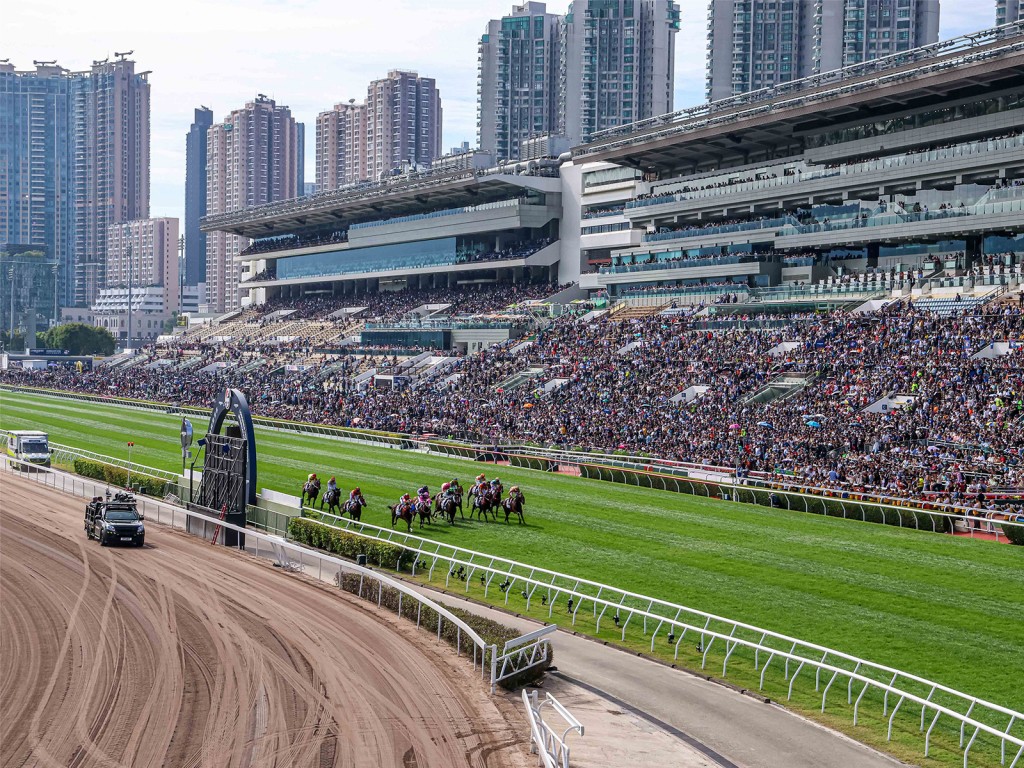

Harry Bentley is back with a target in his sights
25-08-2026 11:35 HKT

Two Lives Extraordinary: Golden Sixty and Wind In Her Hair
01-08-2026 10:09 HKT
Francis Lui's Patch of Gold
10-07-2026 08:26 HKT
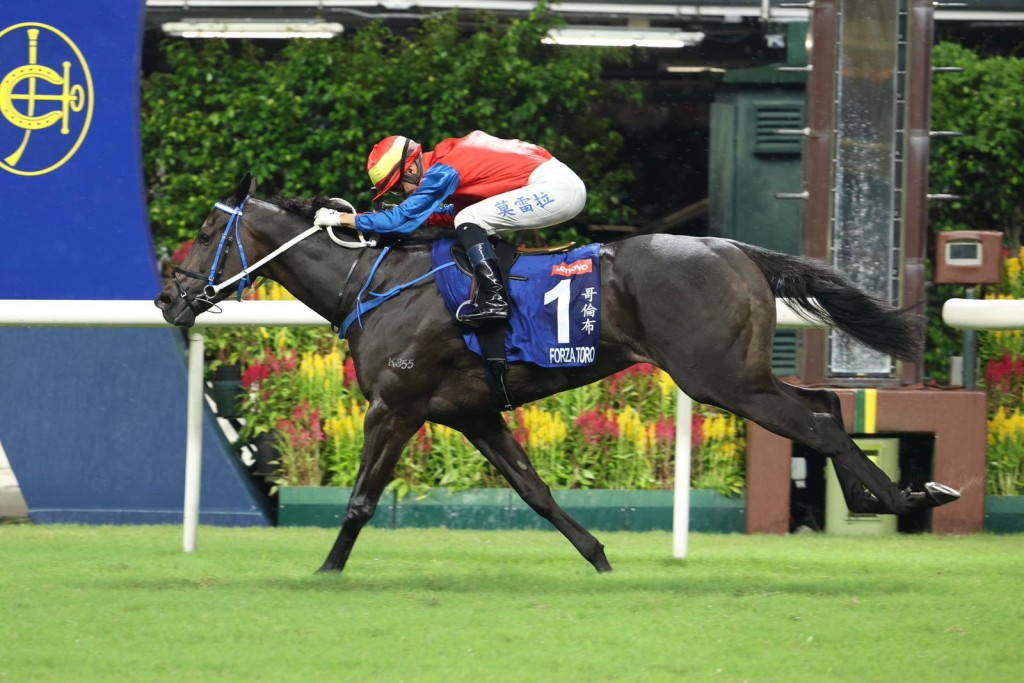



Picture it. The world's best racehorse, at one of the world's most intriguing and important racecourses, running in front of a mainland Chinese audience for the first time. The Hong Kong Jockey Club's proposal to stage the Group Two Jockey Club Sprint at Conghua in November, with Ka Ying Rising as the headline act, should not be a hard sell. And yet in some quarters – including one or two that really should know better – it has been met with a cynicism that is hard to fathom.
My former colleague and editor Alan Aitken laid out the mechanics of the move in his own excellent column this week, and the numbers he pointed to make a compelling case on their own terms. The bigger picture deserves a look too.
Ka Ying Rising is a once-in-a-lifetime horse. He is also, right now, the world's best racehorse by any measure that counts – ranking, record, and the eye test. Conghua is a world-class training facility that has spent the better part of a decade waiting for its moment on the international stage. The chance to put those two things in the same frame, in front of a mainland audience and a global broadcast feed, does not come around often, if ever.
It is worth clearing up one thing that tends to muddy these conversations. Every time Conghua is mentioned, someone reaches for the line that "there is no legal gambling in China." It is wrong, and it has been wrong for years. The mainland has a state-run sports lottery that turns over enormous sums annually, and welfare lotteries on top of that. What the mainland does not have is legal wagering on horse racing. That is a meaningful distinction, not a technicality, and it matters because the Conghua project has always been a long game played against a backdrop where the rules can, and do, shift.
This is a move that takes advantage of a genuinely unique confluence of factors. A dominant favorite whose presence in Hong Kong parimutuel pools has become a financial headache for the club. A champion who trains at Conghua between runs and knows the place intimately. A new grandstand waiting for a reason to fill. A lead-up race already on the calendar that could, with some creative thinking, be relocated without losing its purpose. Each of those factors on its own would justify a conversation. Together, they make the case almost self-evident.
None of which is to say the move is risk-free. Shining an international spotlight on Conghua raises the stakes considerably. The surface has to be immaculate, the race has to run cleanly, and the broadcast has to be slick. A headline horse coming off what we expect will be a second straight Everest win in October is not the time for a facility to be finding its feet. The standards that apply at Sha Tin on a Group One day have to apply at Conghua on its biggest day, without compromise.
Approval is still some way off, and there are committees, sponsors and quarantine arrangements to navigate. It may not happen in 2026. It may not happen at all.
But here is the thing. Even if the race never moves, some of the ambition has already been realized. Conghua is being discussed, seriously, in the same breath as the world's best racehorse. That is not nothing, and maybe that is the point.