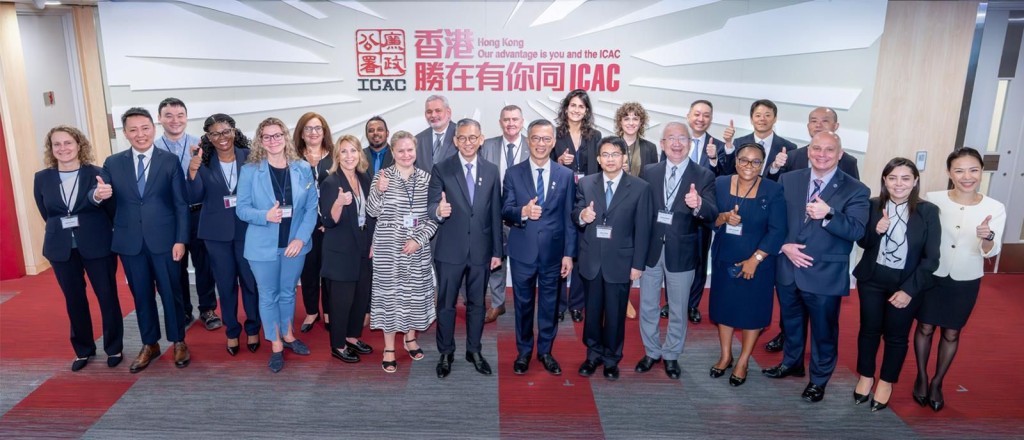
Some 18 experts from the United Nations Office on Drugs and Crime, mainland China, Hong Kong, the United States, South Africa, Ghana, Hungary, Norway, Sweden and Australia gathered in Hong Kong recently for a working meeting, organized by the Independent Commission Against Corruption, to develop recommendations for a guideline on corruption risk management in prisons.
The initiative aims to address corruption in correctional systems worldwide, which has been linked to threats against staff and inmates as well as broader risks to social order and stability.
The project was first proposed in May last year, when Ghada Waly, executive director of the UN Office on Drugs and Crime, attended the 8th ICAC Symposium in Hong Kong.
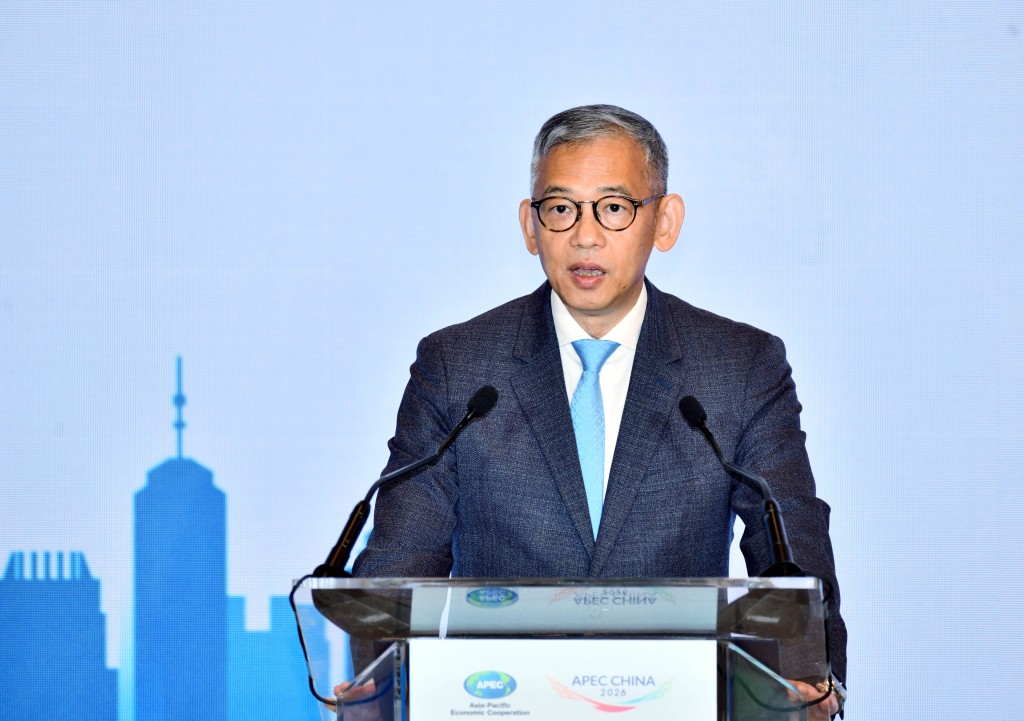
At that event, she invited the ICAC to collaborate on drafting the guidelines, drawing on the experience of ICAC Commissioner Danny Woo Ying-ming, who spent more than three decades overseeing security in the Correctional Services Department.
The ICAC’s long-standing cooperation with the department in combating corruption was highlighted as a model that could be shared with prison systems around the world.
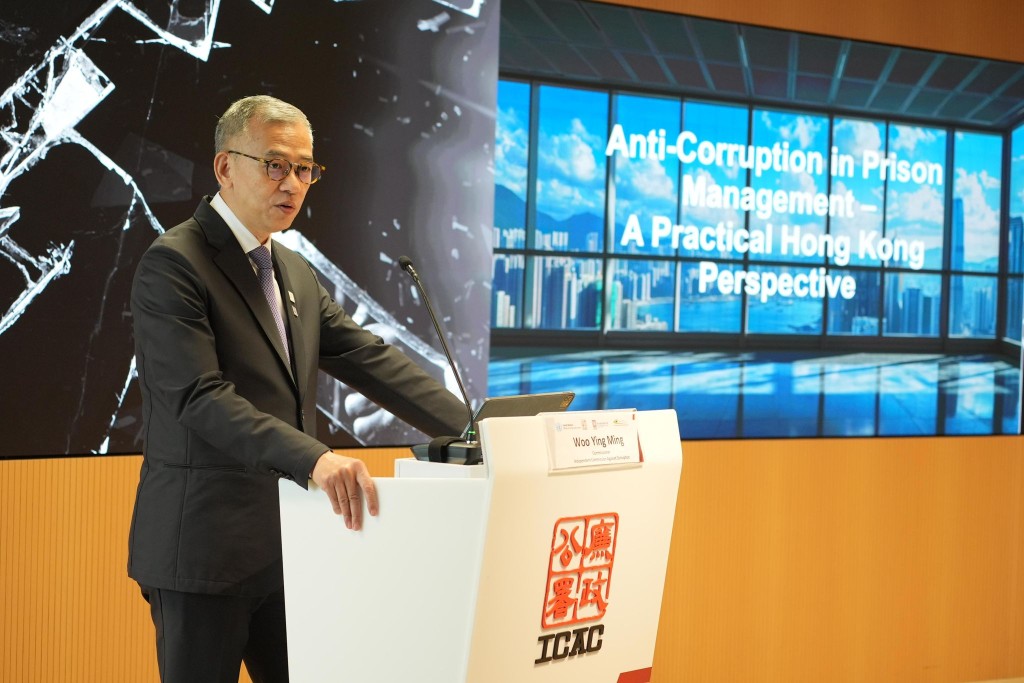
During the Hong Kong meeting, Woo personally briefed the international team on how ICAC and the Correctional Services Department have worked together through enforcement, prevention and education to strengthen resistance to corruption.
He emphasized that the goal is to create a clean custodial environment where inmates can safely rehabilitate.
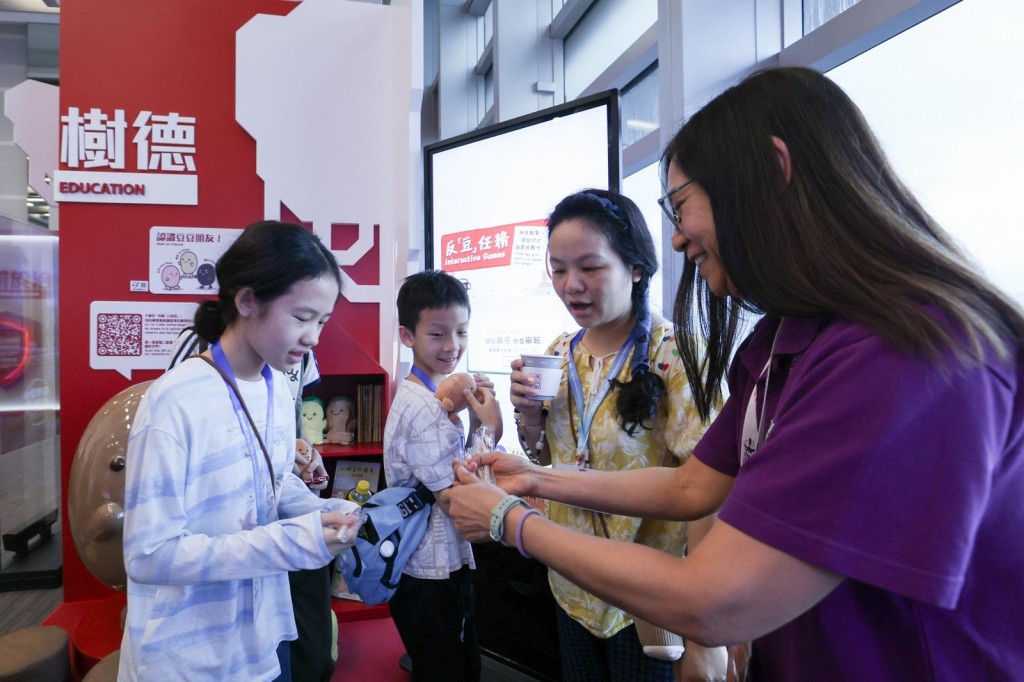
The ICAC also partnered with the University of Hong Kong to arrange exchanges between the visiting experts and local criminology professors, as well as graduate students.
The guidelines will be promoted next month at the 11th Conference of the States Parties to the United Nations Convention against Corruption in Doha, Qatar.
They are expected to be finalized early next year and formally launched at a subsequent UN crime prevention meeting.