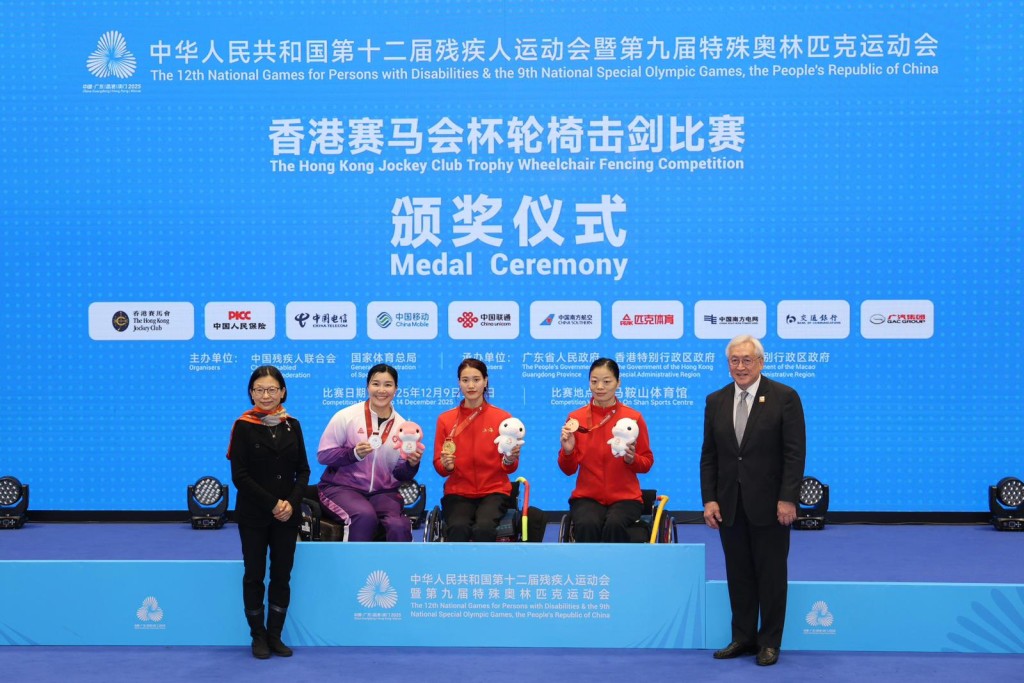
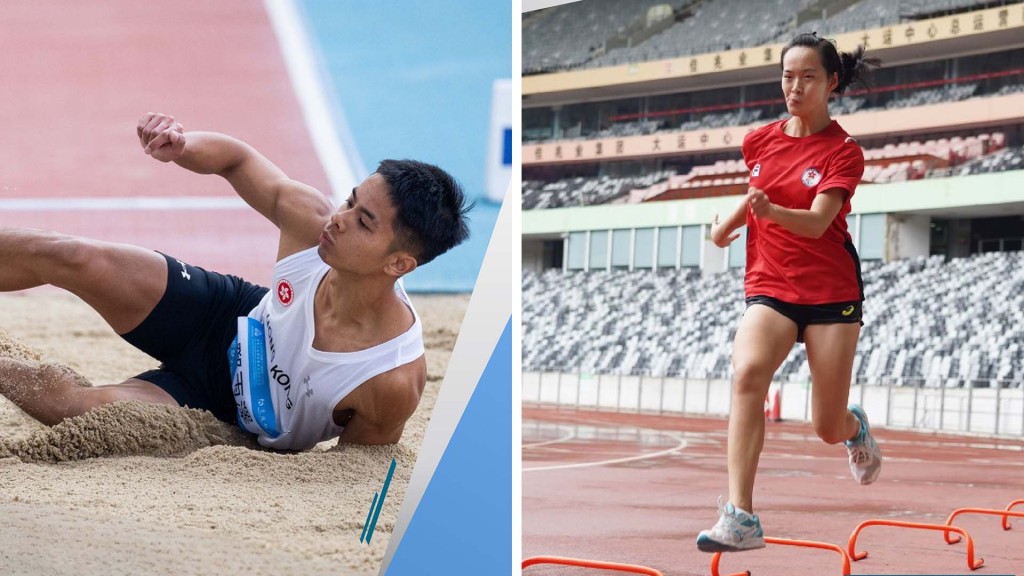
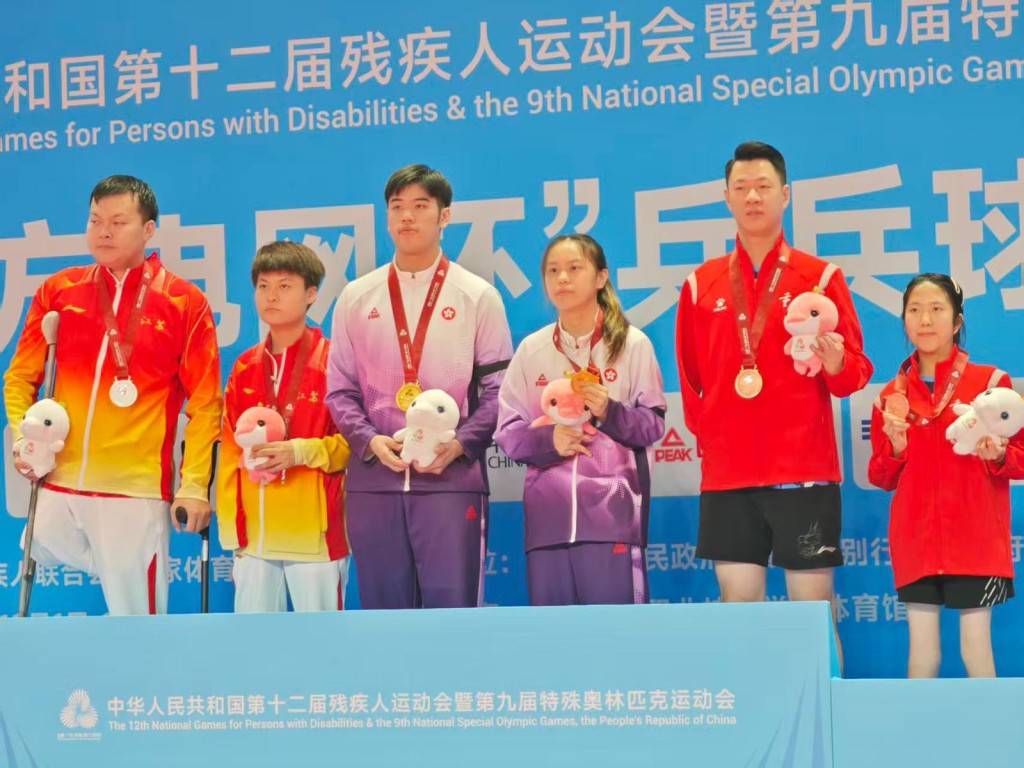
Hong Kong is set to host boccia, wheelchair fencing, para table tennis (TT11 class) during the upcoming 12th National Games for Persons with Disabilities and also the table tennis events from the 9th National Special Olympic Games.
A number of local stars, fresh from international triumphs, will compete on home soil, aiming to inspire the public while chasing medals in front of cheering crowds.
Top pair separately target podium
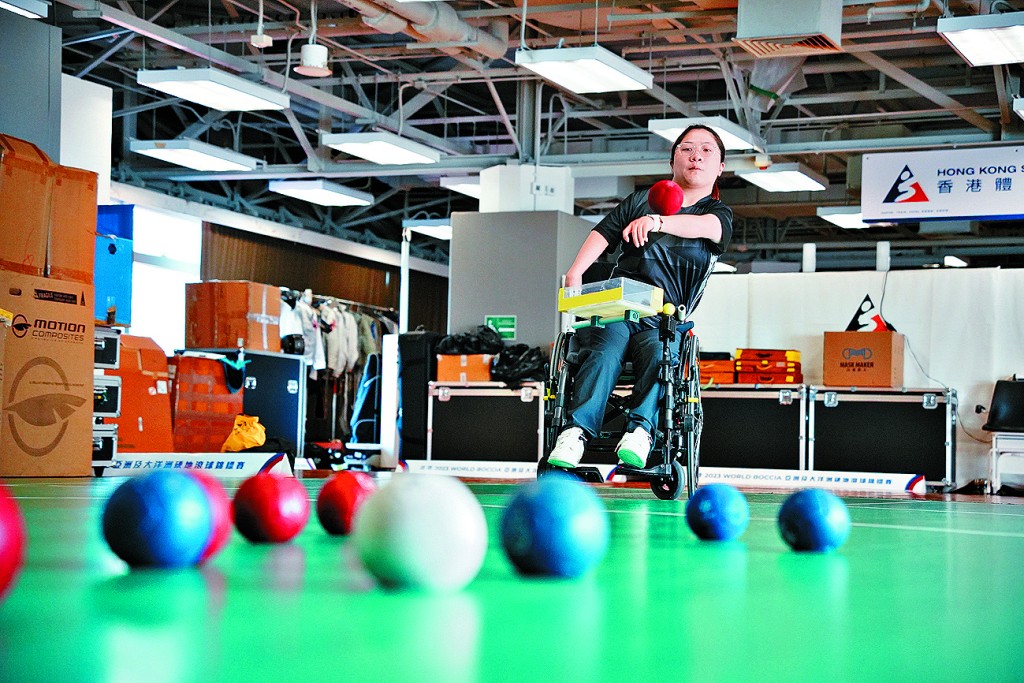
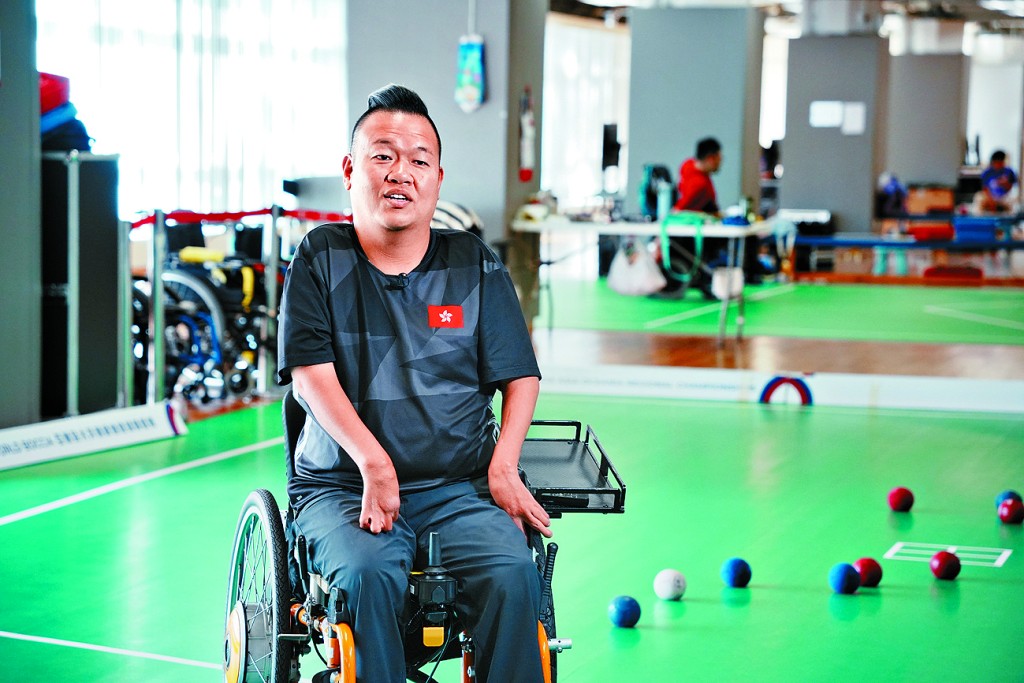
Boccia powerhouses Cheung Yuen and Leung Yuk-wing, who clinched mixed pairs BC4 silver at last year’s Paris Paralympics, will compete separately in men’s and women’s individual and pairs events.
Both athletes, affected by congenital multiple arthrogryposis, fall under the BC4 classification, allowing them to throw the ball themselves.
Their partnership has dominated recently, securing mixed pairs gold and individual silver for Cheung at the Beijing 2025 World Boccia Cup in June, propelling both to the top of global rankings.
From student struggles to global dominance
Cheung, a veteran of previous National Games in Sichuan and Tianjin, entered the Hong Kong team in 2015 with a learning mindset, finishing fourth individually before earning pairs bronze four years later.
Training full-time at the Hong Kong Sports Institute, she plans a November tune-up in Canberra, Australia, to sharpen match rhythm.
From juggling school and sport as a student athlete, she once considered quitting but learned time management with family and coach support, eventually fulfilling her dream of representing the city.
Cheung Yuen
Leung, a six-time Paralympian, claimed two golds in his 2004 Athens debut and added an individual silver in Beijing 2008, though a 2012 London setback left him exhausted from balancing a day job.
Open conversations with coaches and teammates rekindled his passion, leading to Rio 2016 individual gold.
This marks his first National Games for Persons with Disabilities, where he adopts a relaxed yet focused approach, banking on home advantage.
Both credit the government backing for expanding opportunities for disabled athletes and raising public awareness of their capabilities.
They rely on caregivers for daily assistance due to joint contractures and muscle atrophy, expressing gratitude to the Sports Association for the Physically Disabled of Hong Kong, China and support staff.
Looking ahead, they hope more disabled individuals can train full-time across diverse sports.
Leung Yuk-wing
Triple threat eyes golden breakthrough
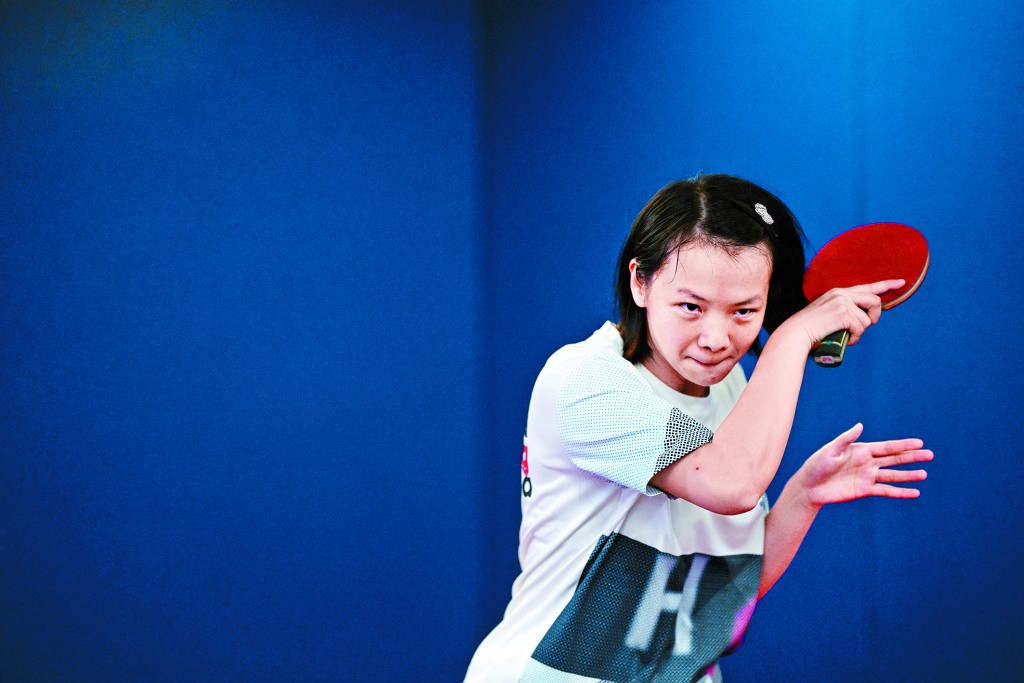
Table tennis player Li Hiu-tung will contest women’s singles, doubles, and mixed doubles in the TT11 intellectual impairment class.
The Asian Para Games team gold medalist enjoyed a stellar year, collecting doubles and mixed doubles silver in Egypt, doubles gold in Spain, and further doubles gold plus singles and mixed doubles bronze in France.
A loss in Kazakhstan tested her resilience, overcome through prayer, church support, and teammate encouragement.
Raising awareness on invisible disabilities
Competing in three events excites rather than overwhelms her, especially with local fans expected to pack venues—mirroring overseas crowds she admired.
Singles feel tenser, but partners ease pressure in doubles, she added.
She trains intensively on fitness, topspin forehand, running, and breathing to boost stamina.
Confident despite limited experience against mainland opponents, she aims for gold and hopes to spot the games’ mascots in person.
Li emphasizes educating the public on invisible disabilities, noting that intellectual impairments may not be outwardly apparent.
She appreciates Hong Kong Sports Institute resources like psychology sessions, mindfulness practice, finger exercises, and massage therapy, alongside growing media coverage of major events.
Li Hiu-tung
Hong Kong’s wheelchair fencing squad will contest men’s and women’s foil, épée, and sabre in individual and team events.
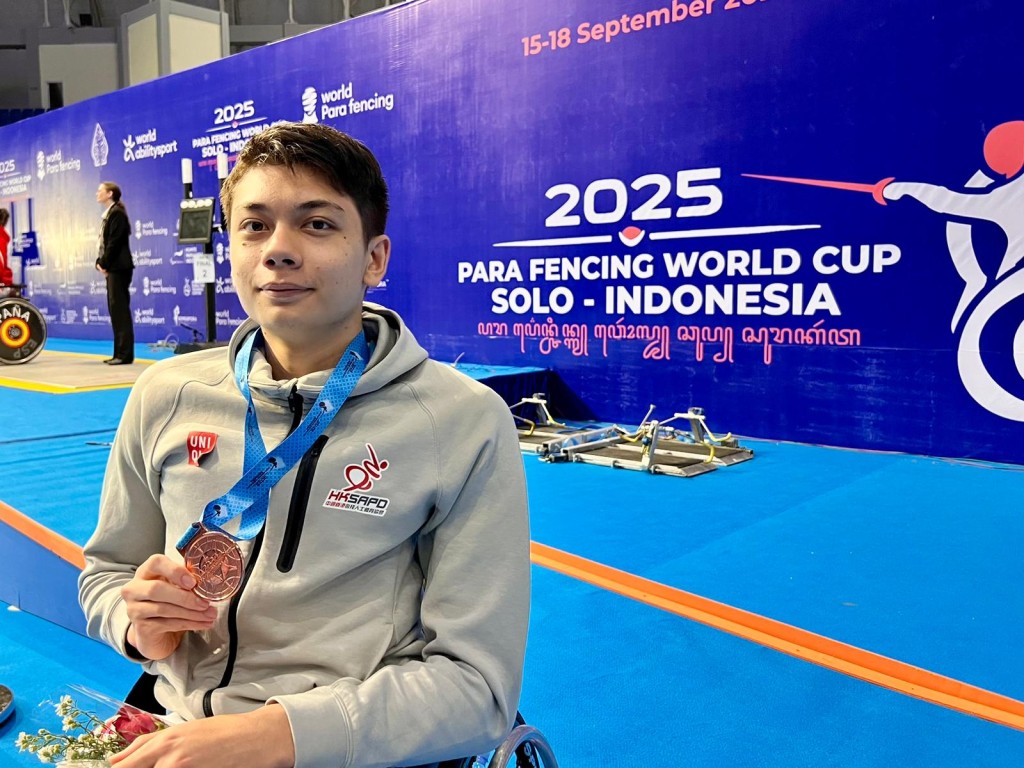
Young Hong Kong-American talent Sean Glass relishes the home advantage as he hunts medals and a lasting 21st-birthday memory.
Glass’s form has risen steadily; he claimed bronze in both foil and sabre at September’s Para Fencing World Cup held in Indonesia.
On his National Games debut, he anticipates fierce clashes with mainland China’s top fencers while embracing the learning curve and targeting strong showings in individual and team competition.
Competing in category B—the middle impairment level—Glass shines in foil and épée.
Childhood neuroblastoma required tumor removal and treatment, leaving scoliosis and loss of sensation in both feet.
Sharpening edge for glory
Glass dissects past match footage with his coach to hone strengths and fix weaknesses.
Later this month, he will train alongside China’s national team in Nanjing and Shanghai to raise his level.
Early forays into swimming and table tennis gave way to fencing at age ten; its blend of endurance and tactics instantly appealed. He turned full-time athlete just over a year ago.
His 2023 Asian Games debut delivered team silver—a cherished milestone that fueled ambitions for regular podium visits.
When mistakes occur, Glass shrugs them aside, tells himself they matter little, and consults his coach to prevent recurrence.
He applauds government funding that empowers disabled athletes and urges locals to pack the venues with support.
Glass also lauds the Hong Kong Sports Institute’s elite medical, fitness, and rehabilitation resources that free him to train without distraction.
Sean Glass