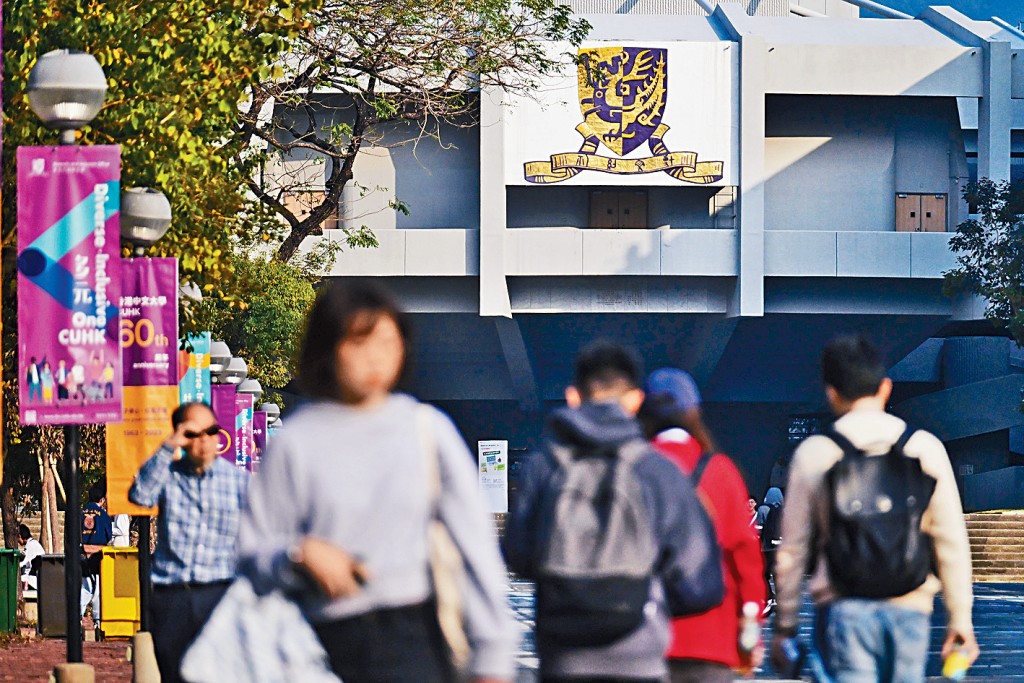
The Chinese University of Hong Kong (CUHK) uncovered hundreds of admission applications with suspected fake academic credentials during this year's admissions process -- a significant increase from just a dozen cases last year.
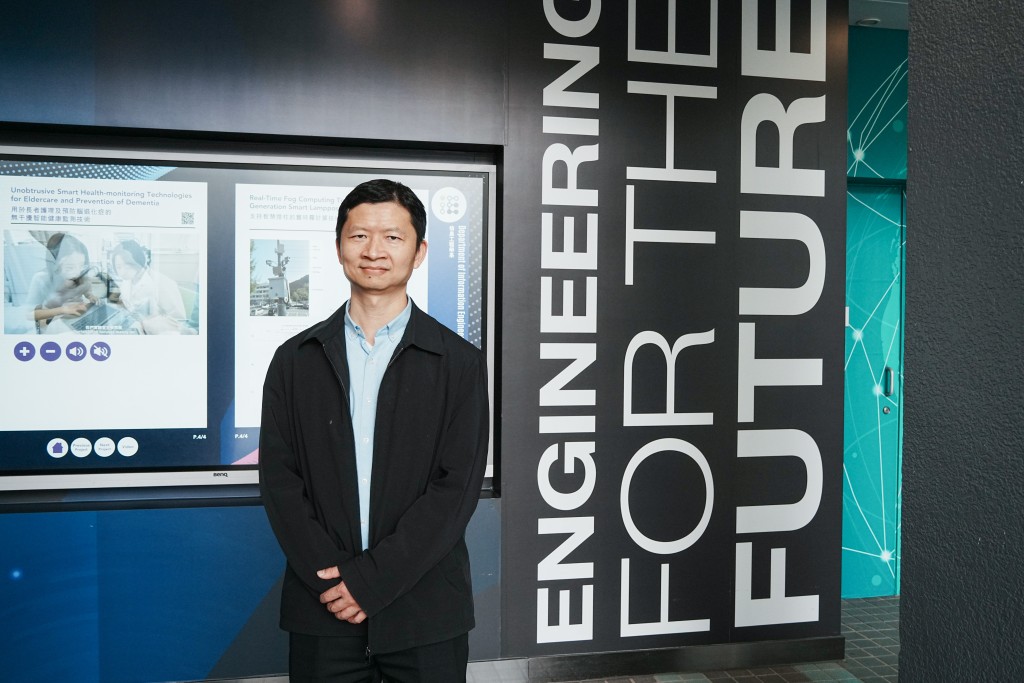
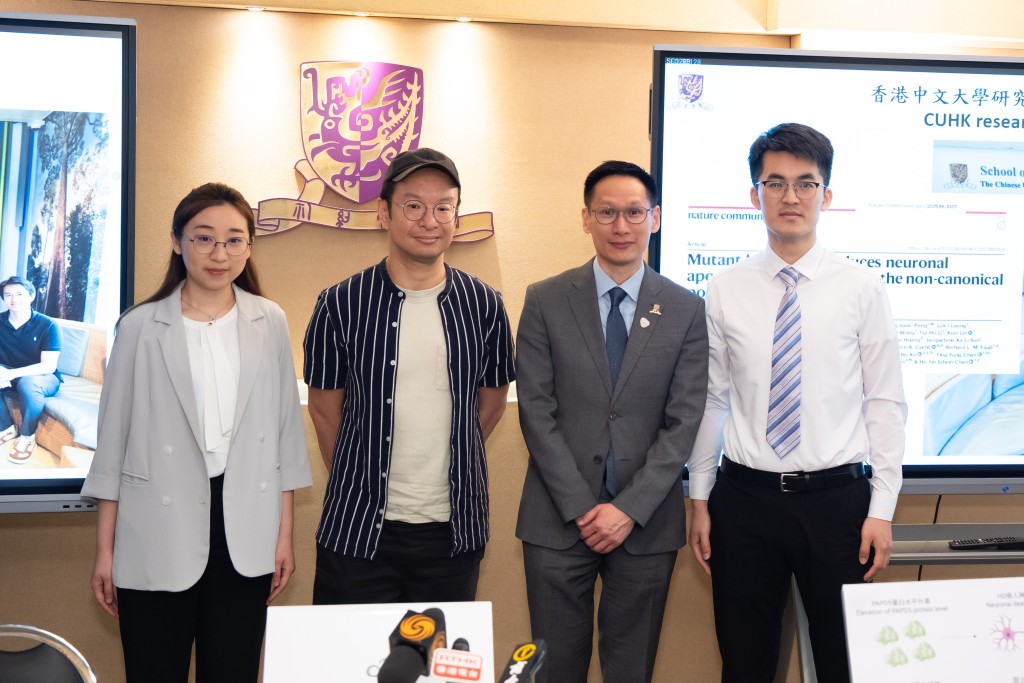
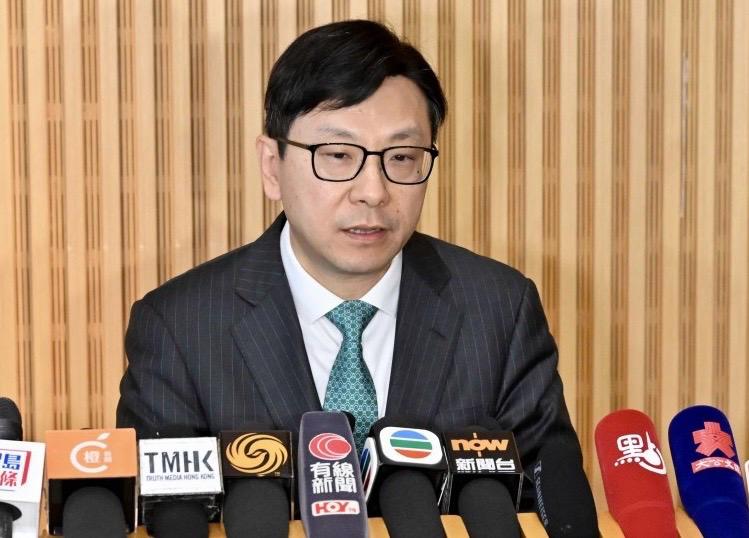
The figures were disclosed by Andy Wong Ka-chat, director of admissions and financial aid of CUHK, following the information day on Saturday (Oct 11).
Among the nearly 900 non-local students admitted for this academic year, Wong reported that they came from over 20 countries and regions, with a notable proportion from the mainland.
Compared to last year's statistics, the total number of non-local students admitted rose by about 100, bringing non-local enrollment to around 24 percent.
Amid the rising number of non-local applicants, Wong disclosed that the university had identified hundreds of submissions with suspected forged documents, including fabricated secondary school transcripts and references to fake schools.
In response to inquiries from Sing Tao Daily, the sister publication of The Standard, Wong highlighted the difficulty of taking enforcement actions, as the applicants were not Hong Kong residents nor living in Hong Kong.
Since the applications had already been intercepted, Wong stated that no reports were made to the authorities.
He further emphasized that CUHK adopts a cautious approach in handling suspected fraudulent cases, stressing that applications with doubts will not be considered.
"We won't process the suspicious applications," he said, emphasizing the need to ensure fairness and protect the "Study in Hong Kong" brand.
To enhance verification processes, Wong noted that the university is upgrading its admission system with an AI module to cross-check documents and detect inconsistencies in submitted materials, with the new system launched in early October.
While the university has been reviewing all non-local applications from 2020 to 2024 after detecting approximately 10 fraudulent admissions last year, Wong said one of the cases reported to the police was ultimately found to lack sufficient evidence to charge.
However, the student involved was expelled following an internal hearing by the university.
Regarding the recent policy address to raise the cap on non-local students at public universities to 50 percent, Wong indicated the school will gradually increase non-local students' admissions, adding a five-year plan aimed at achieving a target of 40 percent non-local student enrollment.
Lawmaker Lawrence Tang Fei described that CUHK's interception of hundreds of suspected fraudulent applications reflects the university's heightened sensitivity to the issue of forgery.
He further suggested that the city should consider establishing a unified electronic platform for local universities and private institutions, leveraging AI technology to verify the authenticity of academic credentials quickly.
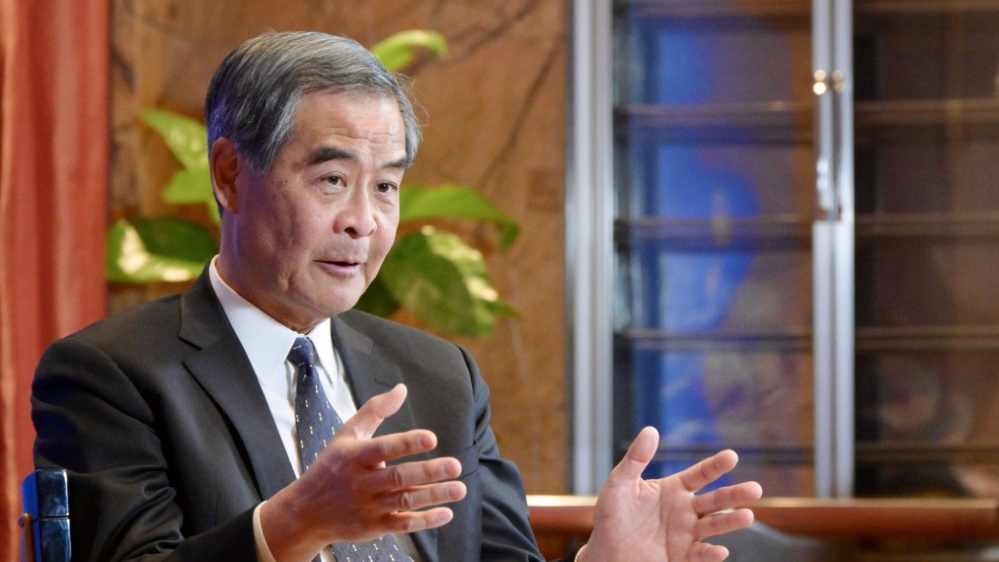
Former Chief Executive Leung Chun-ying also expressed concerns on social media about the unfairness faced by applicants due to the sharp rise in fraudulent applications, noting that other educational institutions, primary and secondary schools, and even workplaces may be encountering similar challenges.
Stressing that this issue is closely related to Hong Kong's reputation and credibility both nationally and internationally, Leung urged authorities to take these matters seriously and encouraged the public to report any discoveries to the police.