As Hong Kong advances toward becoming a smart city, the low-altitude economy (LAE)—centered around drone logistics and aerial innovation—is fast becoming a transformative force in the city’s economic landscape.
Episode 6 of “AI for Humans”, airing on HOY TV, explores how Cyberport is playing a pivotal role in this evolution, serving as the key testing ground and innovation hub driving the sector forward.
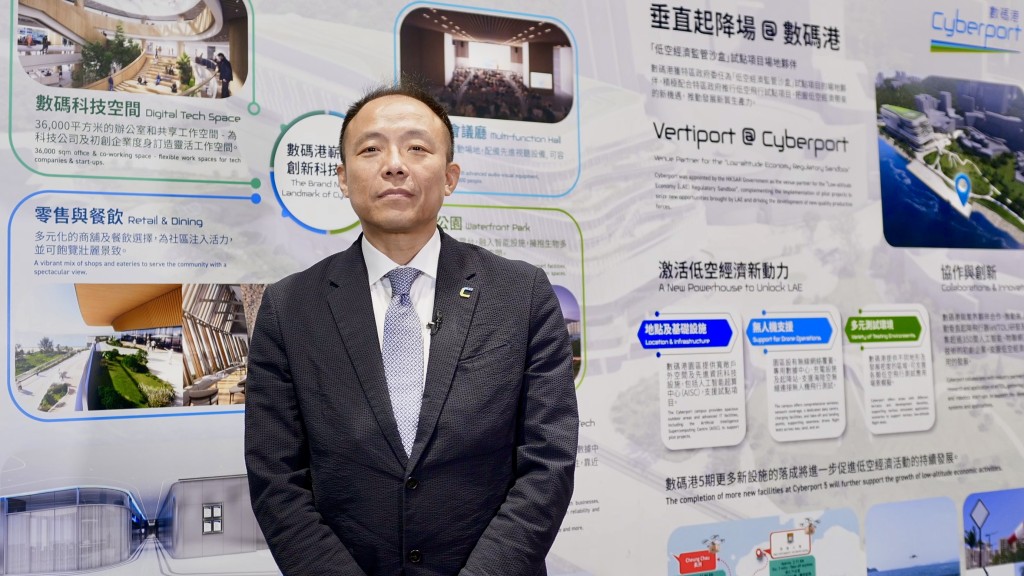
This episode features in-depth discussions with key stakeholders, including the Secretary for Transport and Logistics, Mable Chan; Cyberport Chief Operating Officer, Howard Cheng; Phoenix Wings’ Regional Sales Director, Xuan Junhui; and Jumppoint Founder & CEO, Samson Ho. Together, they unpack the opportunities, challenges, and emerging applications of the low-altitude economy in Hong Kong.
Beyond the roads: government bets big on the air economy
During the episode, Secretary for Transport and Logistics Mable Chan highlighted Hong Kong’s strategic positioning as a global logistics, shipping, and financial hub—making it a natural incubator for the low-altitude economy.
She shared that the government has rolled out several action plans in recent years to modernize logistics, focusing on smart and high value-added services.
A key initiative is the Low-Altitude Economy Regulatory Sandbox Pilot Programme, which includes 38 trial projects spanning emergency response, cargo delivery, and infrastructure maintenance. These projects, launched in phases throughout mid to late 2025, are already showcasing how the low-altitude economy can enhance daily life and public services.
“The low-altitude economy extends beyond logistics delivery, encompassing broader applications such as material distribution, medical support, and public services,” Chan noted. “We believe it can create enormous business opportunities for Hong Kong, stimulate technological innovation, and offer young people hope and job opportunities.”
From ground to sky: Cyberport’s role in activating LAE
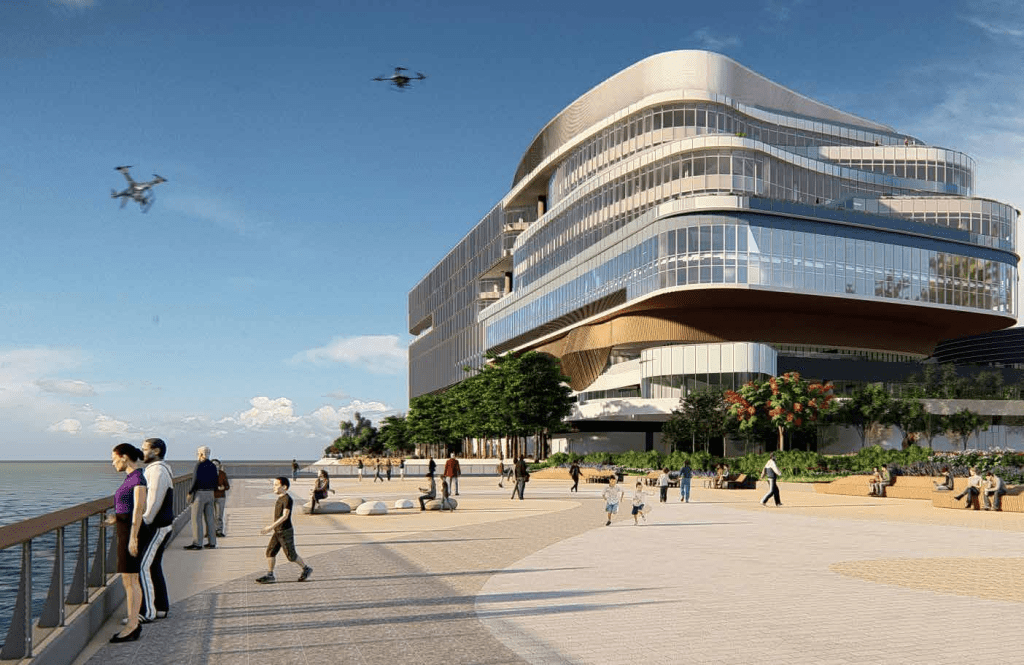
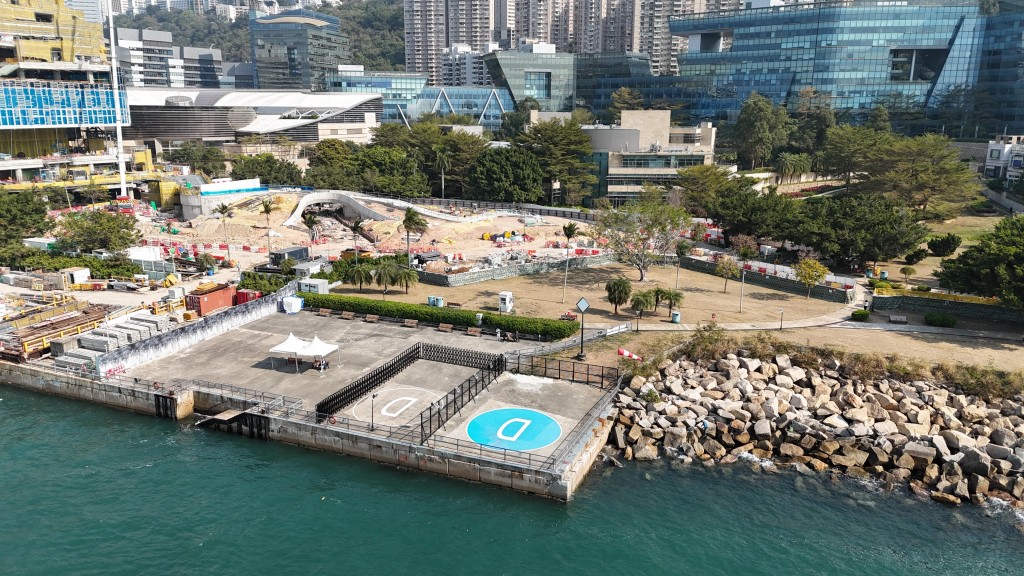
Cyberport serves as the venue partner for the Hong Kong Government’s Low-Altitude Economy Regulatory Sandbox Pilot Programme, leveraging its advantageous infrastructure and geographical location for drone testing and applications. According to Chief Operating Officer Howard Cheng, the site’s closeness to the coastline, its distance from busy maritime routes, and compliance with Hong Kong Civil Aviation Department regulations create ideal conditions for drone operations.
The facilities available at Cyberport include dedicated testing grounds and a 10x10-meter flight space, designed to support a variety of pilot projects. Its robust network and data infrastructure, complete with power supply and drone charging stations, form a solid backbone for these initiatives. Moreover, Cyberport’s coastal setting allows for testing under extreme weather conditions, significantly enhancing operational safety and reliability for future missions.
Beyond serving as a testing venue, Cyberport plays a vital role in aligning the low-altitude economy with international standards. Cheng highlighted that Cyberport plans to host exhibitions and workshops related to this emerging field, providing valuable industry insights and fostering business matchmaking opportunities for park companies. With the anticipated completion of Cyberport5 by year-end, the venue aims to further enhance its low-altitude economy infrastructure, offering comprehensive support for industry development.
As a prominent innovation hub, Cyberport is committed to aiding start-ups and tech enterprises in realizing their innovations. This commitment not only promotes technological advancement but also positions Cyberport as a catalyst for growth in the low-altitude economy.
Sky-high logistics: Phoenix Wings brings drone speed to the city
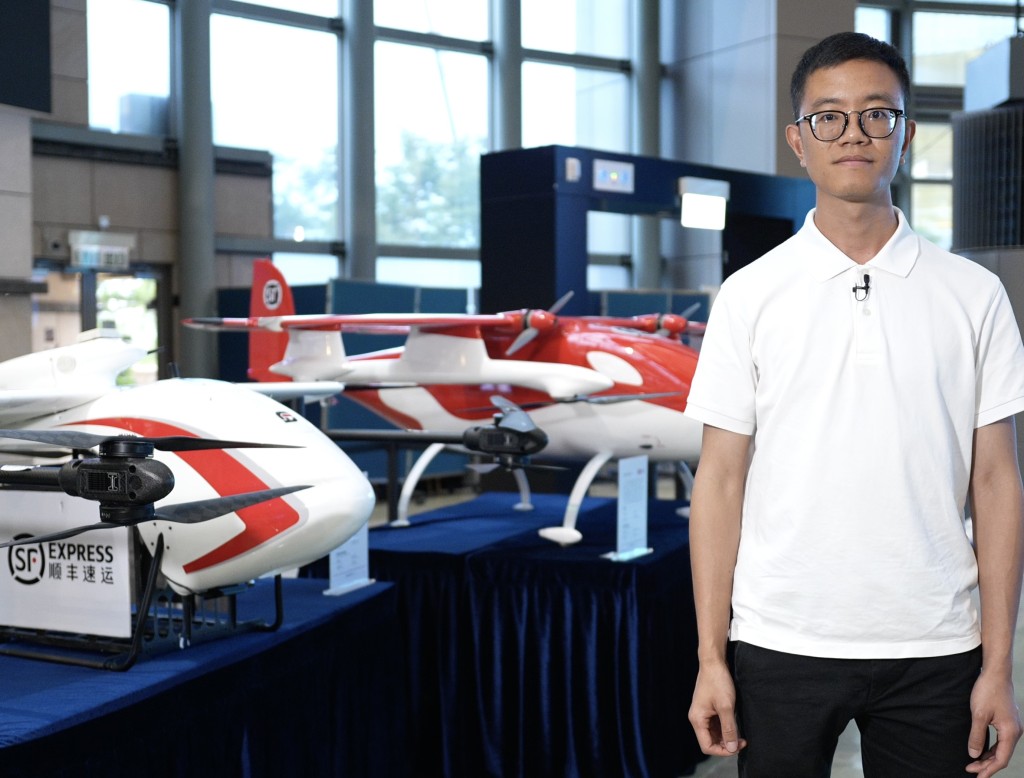
Phoenix Wings, a drone logistics leader in Mainland China, is now bringing its expertise to Hong Kong. Regional Sales Director Xuan Junhui explained how drones dramatically cut delivery time. “A ferry route from Lamma Island to Cheung Chau can take hours, but a drone can make the trip in 20 minutes,” he noted.
Xuan continued to praise Cyberport’s infrastructure and coastal environment, particularly for testing drones in adverse weather, explaining “Through this regulatory sandbox, we aim to lay the groundwork for the development of Hong Kong’s low-altitude economy and gradually expand drone applications to urban areas, bringing greater convenience to citizens.”
From 1.5 to 8.3 orders per hour: how AI is reinventing delivery
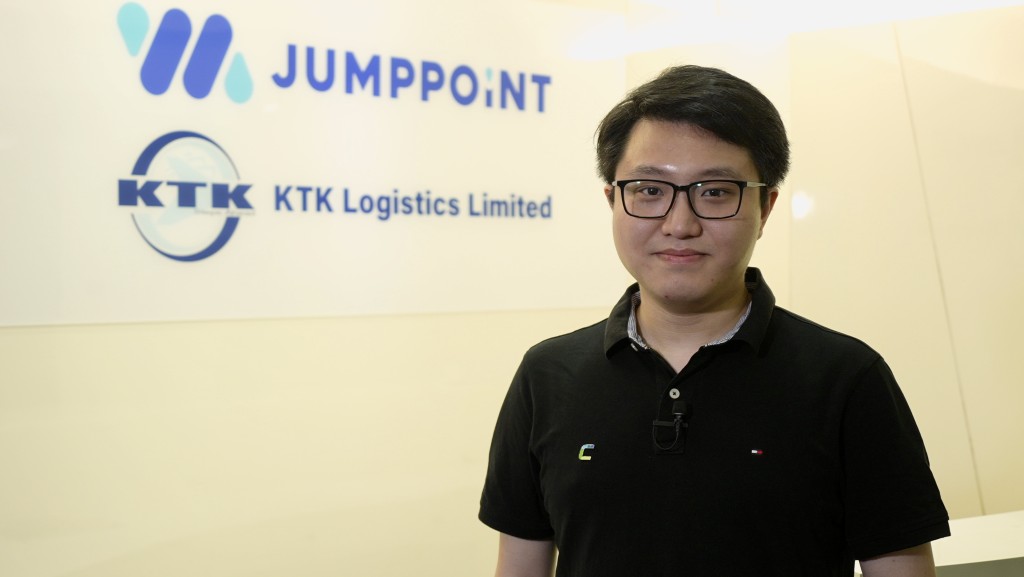
Jumppoint CEO Samson Ho detailed how AI is revolutionising traditional logistics. Using proprietary algorithms, Jumppoint has boosted delivery capacity from 1.5 to 8.3 orders per hour per driver, significantly lowering operational costs.
The company's AI-powered route planning optimizes the most efficient delivery methods and routes, enabling 48-hour cross-border delivery to Southeast Asia and 2–5-day international service. “AI gives small businesses the tools to compete globally,” Ho said, crediting Cyberport for providing vital resources and community connections.
Catch the skyward shift—on AI for Humans
Episodes of “AI for Humans” air every Saturday at 8:30pm on HOY TV Channel 78. Repeat broadcasts are available on Sunday at 6:30pm (Channel 77) and Tuesday at 10:00pm (Channel 78).
Viewers can also catch all episodes anytime on HOY TV’s official online platform, where the insightful content is available on demand.
Stay tuned to AI for Humans and discover how AI is transforming industries, enhancing lives, and shaping the future of our world.