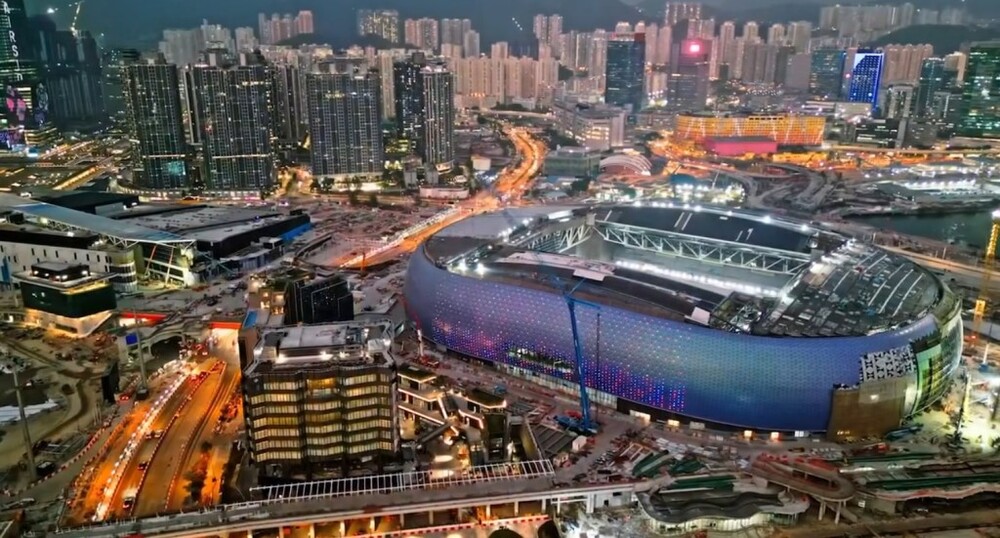
As Hong Kong's home venue and an integrated sports and entertainment landmark, Kai Tak Sports Park (KTSP) is implementing initiatives to create low-carbon, environmentally friendly event venues, fostering the development of green sports.
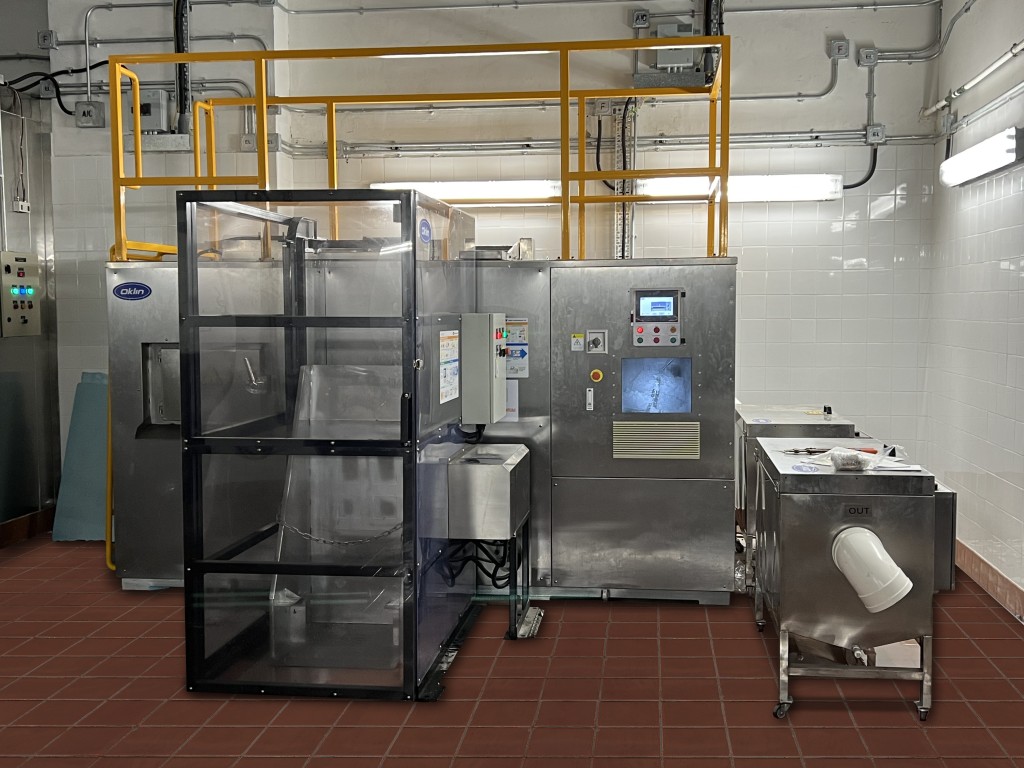
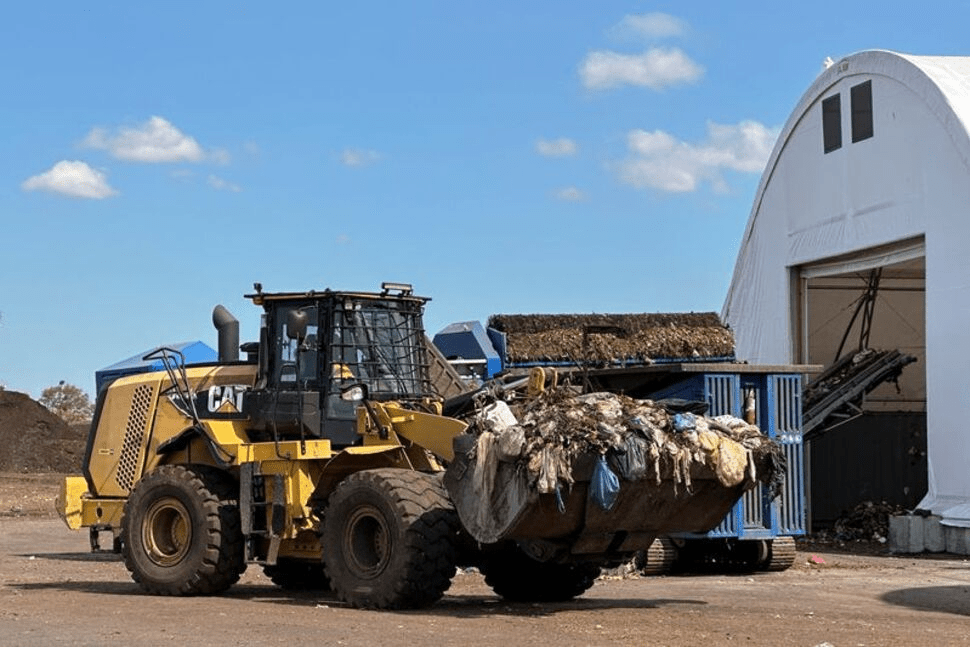
The Park has introduced a large-scale waste decomposition system, which can process up to 200 tonnes of food waste and paper-based waste from Kai Tak Stadium annually.
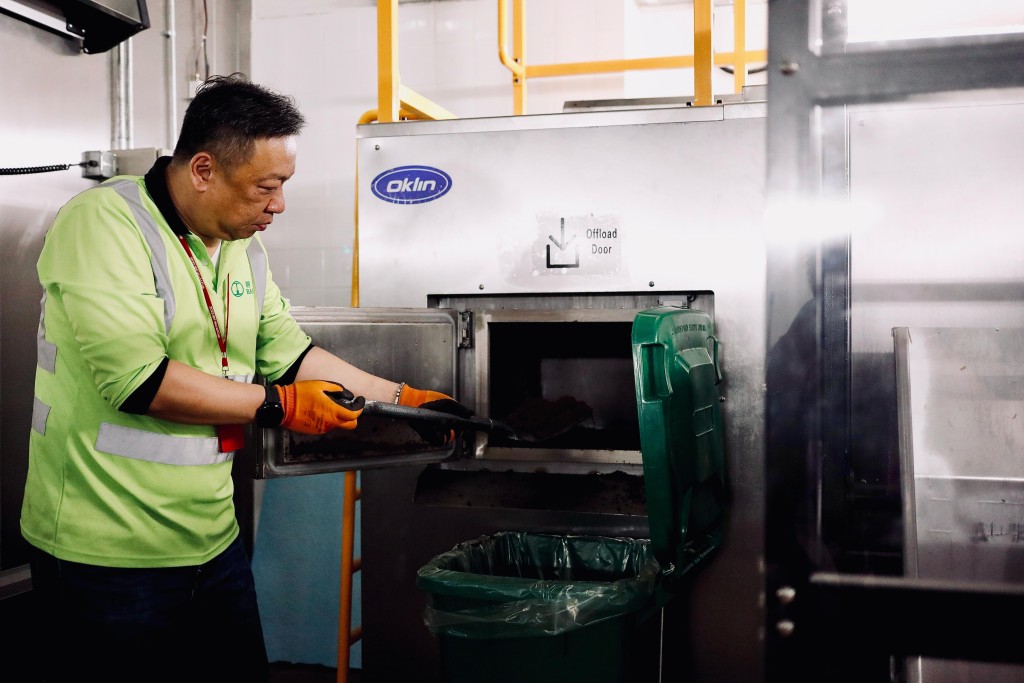
It is also one of the few large-scale sports venues to introduce a microbial decomposition system that can convert food waste, paper cups, and other paper containers into nutrient-rich compost for fertilizing plants, thereby enhancing waste utilization and landscape maintenance.
Approximately 85 percent of the solid waste processed by the system, which commenced operations in March, will be converted to water vapor. This conversion will significantly decrease the volume of materials sent to landfills during major events.
During the "Hong Kong Football Festival 2025," the system will operate 24 hours a day, using heating, mixing, deodorization, and sterilization to process nearly 600 kilograms of waste daily, converting it into 100 kilograms of compost.
This will further reduce waste disposal and decrease the additional resources and carbon emissions associated with transporting and cleaning reusable containers.
As for the paper cups used in the Park, they are environmentally certified and degradable, promoting a "reduce plastic" culture, reducing the use of plastic tableware, and enhancing the audience experience.
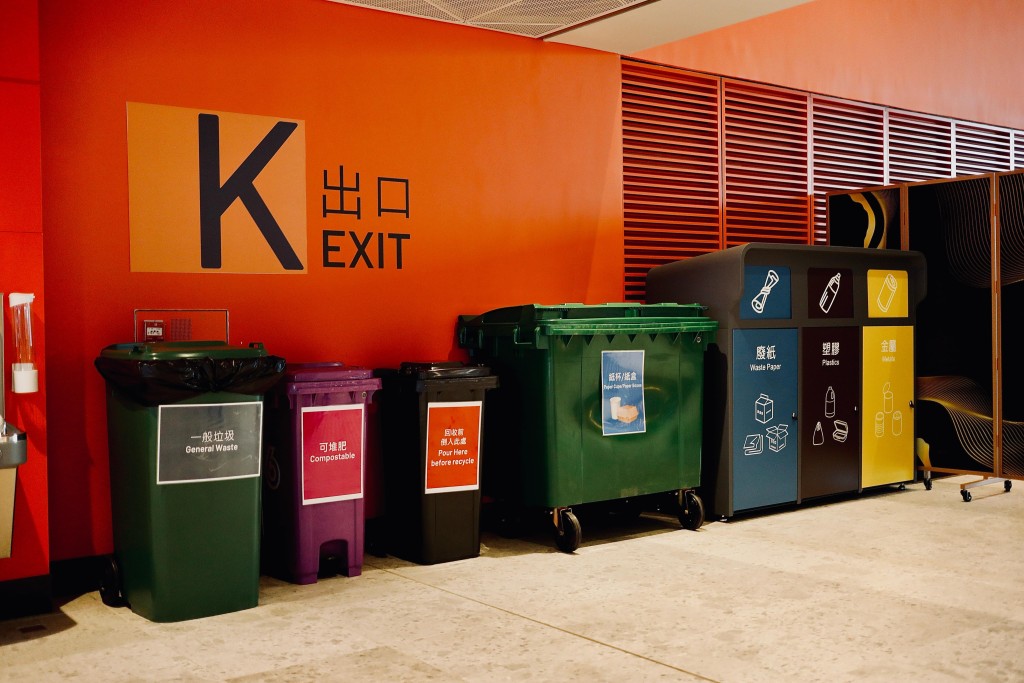
In addition, the Park also provides large-scale waste sorting and recycling bins to uphold the "3R Concepts" (Recycle, Reuse, Reduce)
"We hope that while everyone enjoys the football matches, we can actively promote 'reducing plastics' and waste reduction, and contribute to sustainable development," John Sharkey, CEO of Kai Tak Sports Park, said.
In addition, the buildings in the Sports Park are equipped with the latest energy-saving systems to reduce overall energy consumption.
Over 10 percent of the roof area is covered with solar panels, providing hot water and electricity while effectively reducing approximately 1,000 tons of carbon emissions annually.
The venues also feature rainwater harvesting systems, and the recycled rainwater meets approximately 25 percent of the venues' irrigation needs.