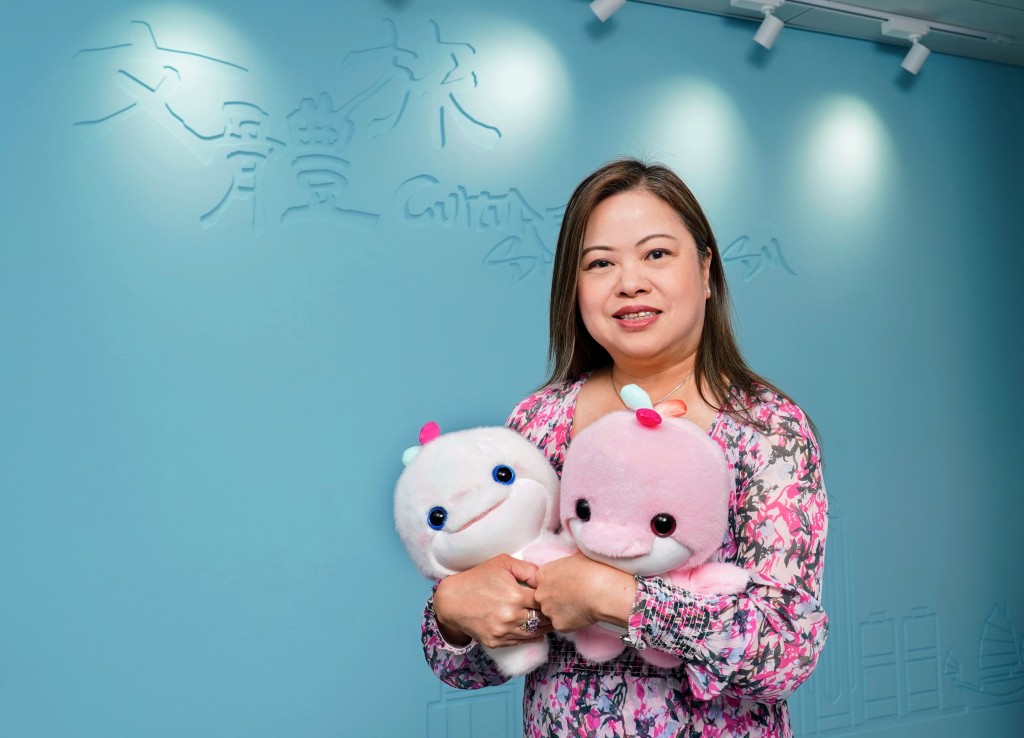
Hong Kong’s museum curation is of a world-class standard, enabling the city to host high-quality international exhibitions and share compelling cultural narratives, according to Secretary for Culture, Sports, and Tourism Rosanna Law Shuk-pui.
Earlier this month, Law visited France, where she met with the Deputy Mayor of Paris, the Mayor of Bordeaux, and prominent figures in the cultural and wine industries.
While Hong Kong’s museums and art collections may not rival those of France, Law believes that the city’s limited space and smaller collections are not obstacles. Instead, local curators excel at storytelling, overcoming these challenges with the support of generous private collectors.
Recent exhibitions such as “I.M. Pei: Life is Architecture” (which toured Shanghai, China) and “Yayoi Kusama: 1945 to Now” (which toured in Bilbao, Spain) demonstrate this. Both retrospectives spanned the artists’ entire careers—a rare feat—organized thematically with mostly borrowed works.
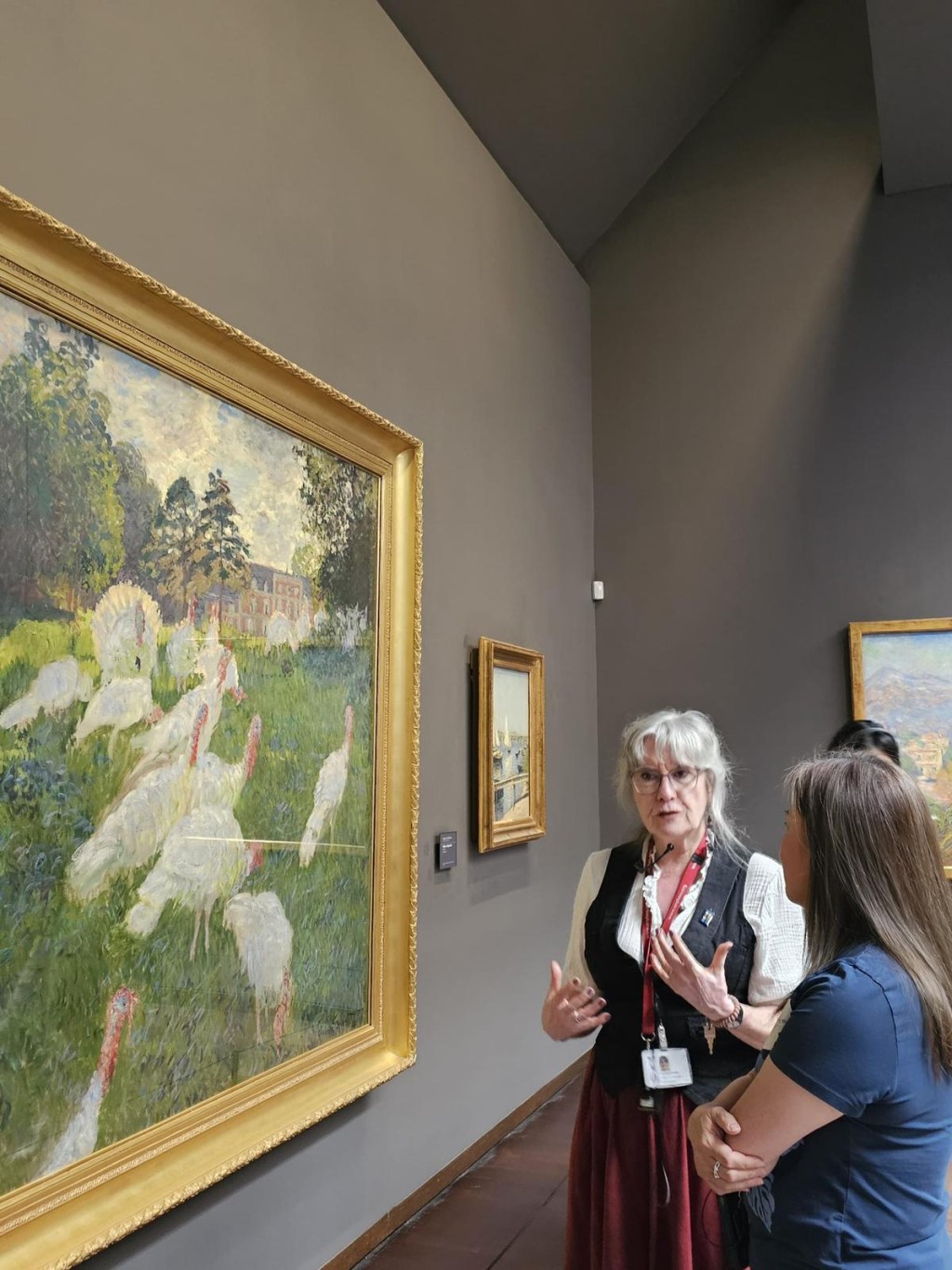
During her trip, Law visited the Musée d’Orsay, renowned for its Impressionist masterpieces, and the Musée Guimet, which specializes in Asian art. She revealed that there is a plan of collaboration between the Musée d’Orsay and the West Kowloon Cultural District, probably in 2027.
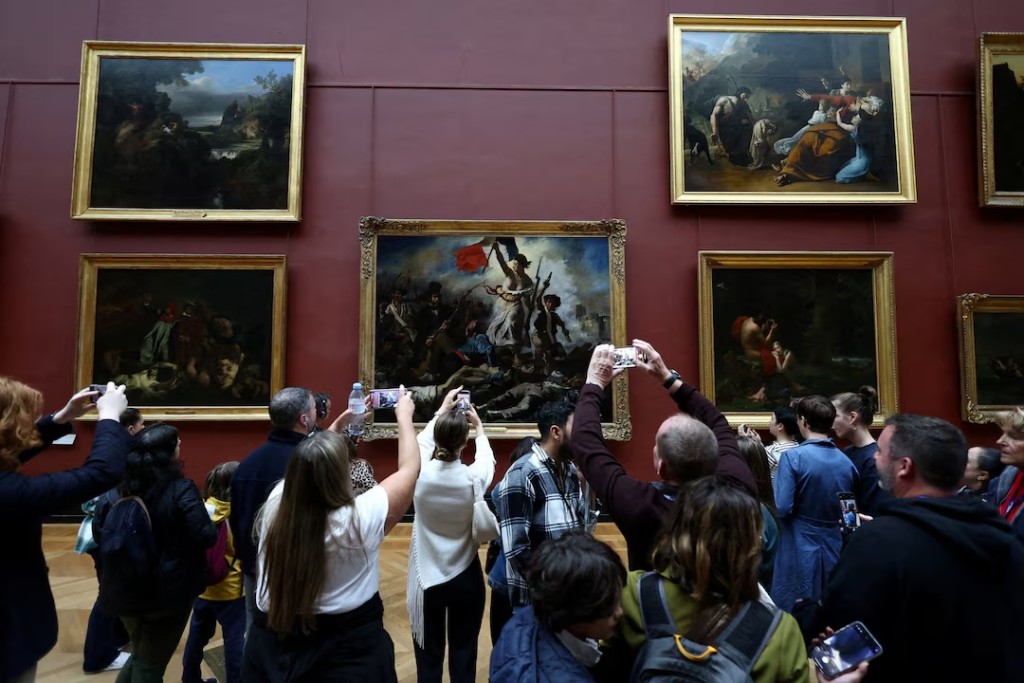
Musee d'Orsay is renowned for its Impressionist masterpieces.
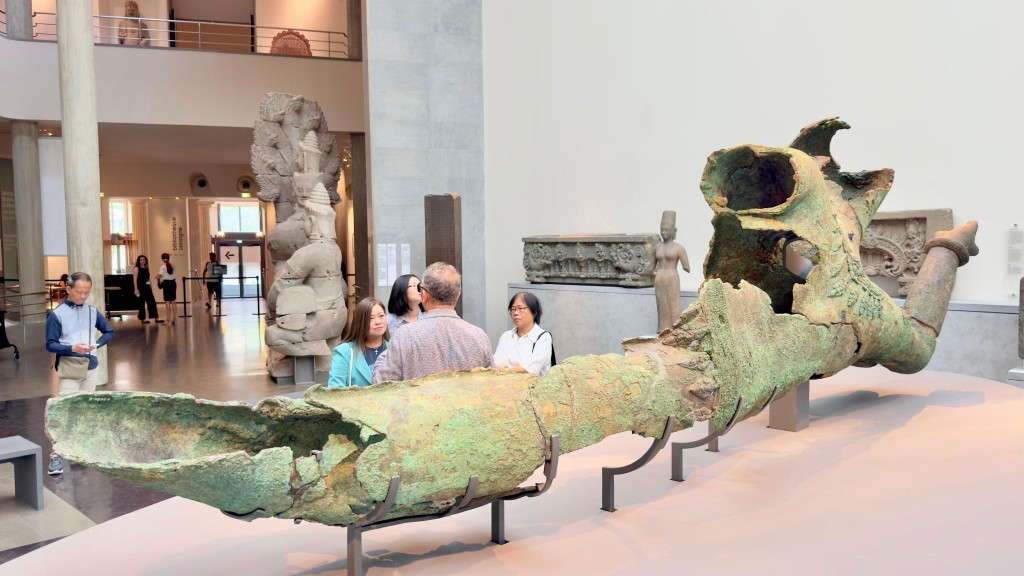
Angkor Wat artifacts at Musee Guimet.
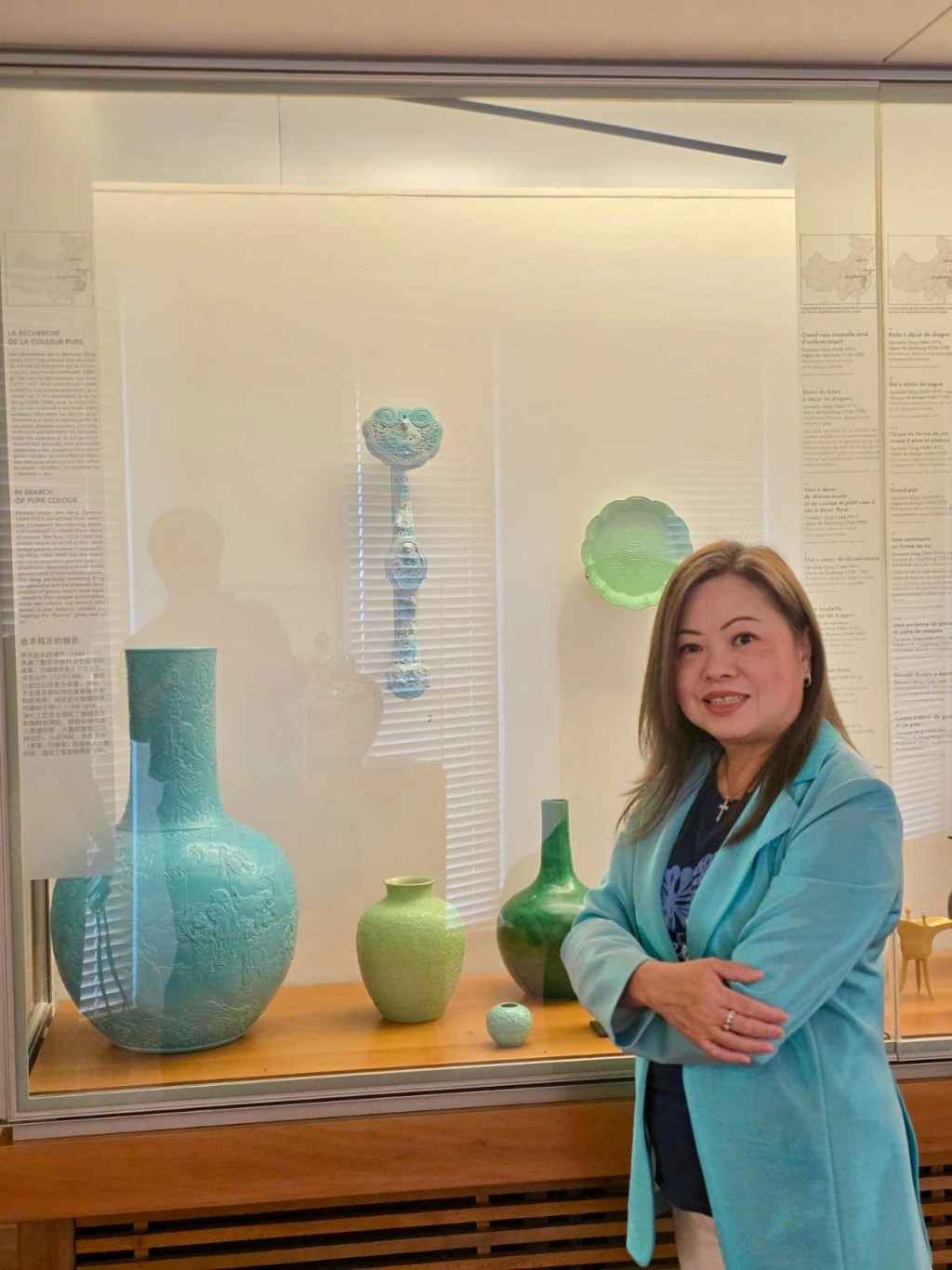
Chinese celadon at Musee Guimet.
“Guimet houses many Angkor Wat artifacts, which are difficult to transport, as well as fragile works like those of Ming Dynasty painter Wen Zhengming, which may require up to six months of rest after just one month of display,” Law explained. She emphasized that Hong Kong curators leverage technology and interactive displays to tell engaging stories despite such limitations, ensuring repeat visits from audiences.
For example, while the Musée d’Orsay displays numerous Impressionist works, including Claude Monet’s Water Lilies, the Hong Kong Museum of Art curated an exhibition pairing Cézanne and Renoir, highlighting their friendship and mutual influence. Similarly, M+’s Picasso exhibition juxtaposed the master’s works with those of Asian artists, such as Panamanian-Hong Kong painter Luis Chan and Cuban-Chinese artist Wifredo Lam, fostering cross-cultural dialogue.
At the Hong Kong Palace Museum, the ongoing “Carpets of the Islamic World” exhibition uses detailed captions to explain Ming Dynasty trade and cultural exchanges with the Arab world, illustrated through blue-and-white porcelain inscribed with Arabic script.
Law also highlighted the pivotal role of private collectors in enriching Hong Kong’s art scene.
Iconic IP spectacle set later this year
“Private collectors in Hong Kong are very generous, either donating or lending works,” she said. She did not rule out, for example, an exhibition on Chinese lacquerware, sourced entirely from private collections.
University museums also play a key role in expanding the city’s cultural offerings. Law cited her alma mater, the Chinese University of Hong Kong, which recently concluded a groundbreaking late Ming Dynasty exhibition in its newly expanded museum. CUHK’s strong Chinese art collection owes much to donations, including those from the Lee family (Bei Shan Tang).
Beyond fine art, Law praised engaging exhibitions like the oracle bone script display currently at the Central Library, which uses installations to bring ancient Chinese writing to life. “I even found my surname, ‘Law,’ which is a complex character meaning ‘to catch,’” she shared.
She also revealed plans for an outdoor event showcasing Hong Kong’s iconic intellectual properties later this year, further diversifying the city’s cultural calendar.
Unlike Europe’s sprawling museums, Hong Kong’s compact venues are ideal for busy professionals. “If you’re here for a conference, you can easily visit a museum in the afternoon after a morning meeting,” Law noted.
An art enthusiast herself, Law spoke about the importance of cultivating connoisseurship. Growing up, she frequented Tsuen Wan Town Hall, where her mother introduced her to Cantonese opera. Later, after learning piano, she developed a love for classical music. She recalled how the hall’s Steinway piano was handpicked by renowned pianist Fou Ts’ong.
Since her youth, Law has been an avid supporter of the Hong Kong Philharmonic Orchestra and the Hong Kong Arts Festival. “Exposure breeds appreciation,” she said, citing British violinist Nigel Kennedy’s phenomenal interpretation of Vivaldi’s Four Seasons and Fou Ts’ong’s distinctive renditions of Chopin repertoires. Despite her busy schedule, she attended a performance of Sleeping Beauty at the Bastille Opera House in Paris.
During her visit to Paris’s Grand Palais, a multipurpose venue hosting art exhibitions and Olympic events, Law was inspired by the potential of Kai Tak’s wide array of different spaces. She suggested these could host diverse events, including banquets, sports, and entertainment.
As a football fan, Law expressed hopes of attracting more international teams to Hong Kong beyond English Premier League clubs. However, she acknowledged potential delays until 2027, as most famous players will be preoccupied in the summer of 2026 with World Cup preparation and participation.
(Bonnie Chen)