Read More
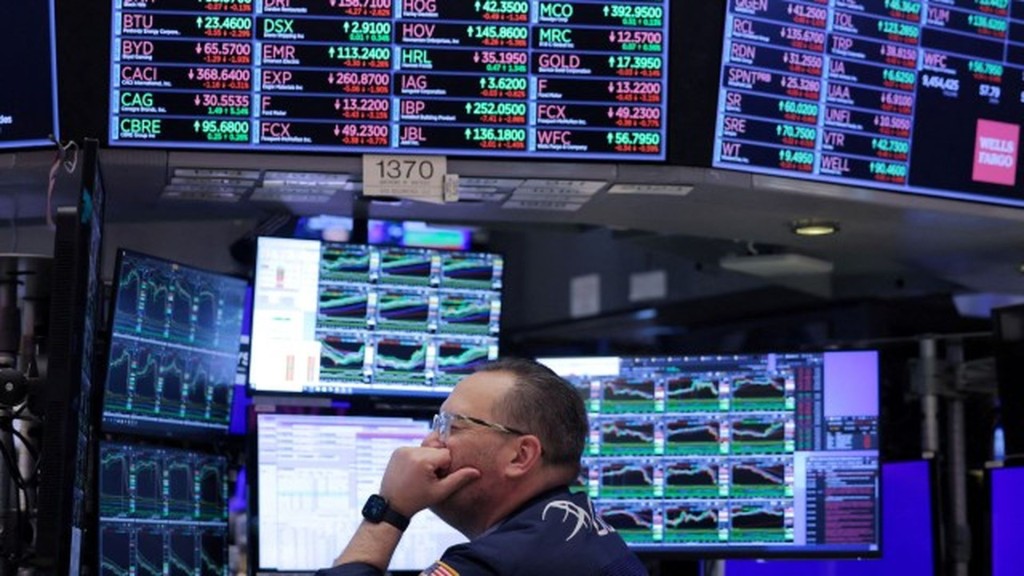


US growth picks up in the first quarter
20 hours ago
HK government books a $11.2 billion surplus for the year ended March
30-04-2026 17:15 HKT
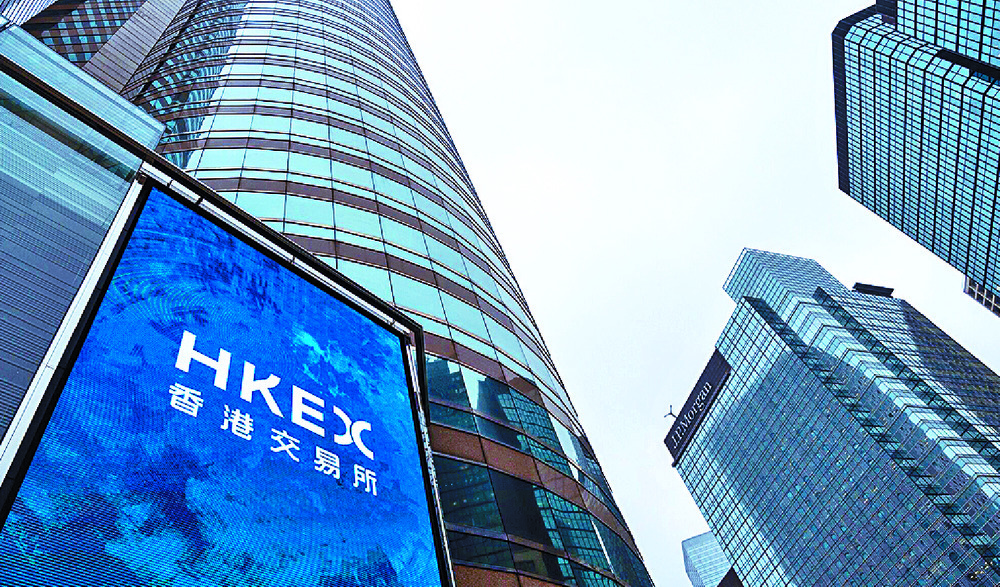
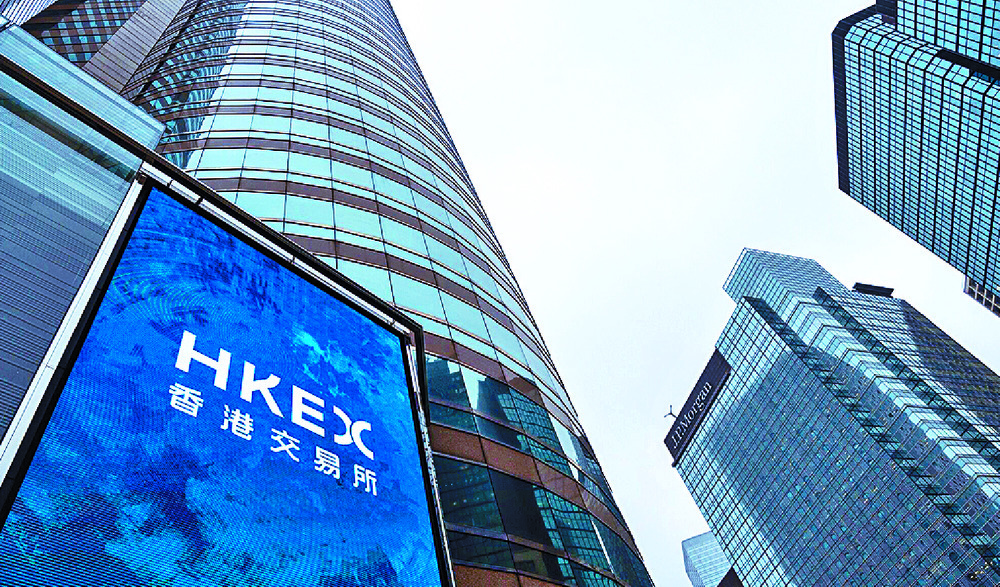
Hang Seng Index drops below 26,000 points on Thursday as oil prices surge
30-04-2026 16:43 HKT

Hong Kong stocks are expected to open higher on the first trading day in the Year of the Snake and hold their ground despite the escalating trade war between the United States and China.
Also, the 10 percent tariffs on Chinese imports slapped by Trump over the weekend is at the low end of the forecast range, so the Hang Seng Index could rise slightly today, he said.
The new levies will hit Chinese exporters, especially in sectors like automobiles, home appliances and e-commerce, and while the HSI is likely to rise today, one can't predict how much it will gain, he said.
Online merchants such as Alibaba (9988) and chip-related stocks are more vulnerable than others.Between 1970 and 2024, the HSI closed higher on the first trading day in three out of four Snake years, with an average gain of 0.9 percent.
However, a strong start doesn't necessarily guarantee a happy ending.The HSI fell in the first lunar month of the last four Snake years, with losses ranging from 0.5 percent to 6.2 percent, averaging a 3.4 percent drop.
And it ended those years between 5.9 percent and 32.7 percent lower, the worst of which came in 2001 when it plunged 32.7 percent for the year.The index has ended every Year of the Snake in decline with an average drop of 13.9 percent, performing even worse than the second-worst-performing Ox year.
The HSI ended the Year of the Dragon with 28 percent gain, snapping a three lunar year losing streak. On the last trading day, the index rose 0.14 percent before closing at 20,225 points.Trump's new levies include a broadside against e-commerce, with apparent plans to extinguish a long-held tariff exemption for packages worth less than US$800 (HK$6,240).
He curtailed so-called de-minimis exemptions for small parcels and packages sent to the US from Canada and China, effectively applying tariffs more widely, though the scope of the measure wasn't clear.The decision appears to be primarily targeted at reducing duty-free shipments from China, which will hurt online retailers and e-commerce platforms like Alibaba.