Read More









IT manager sentenced to 22 months for stealing $1.2m in Deloitte laptops
21-08-2026 21:49 HKT


25-year-old Hong Kong man found dead at UK home
23-08-2026 12:10 HKT
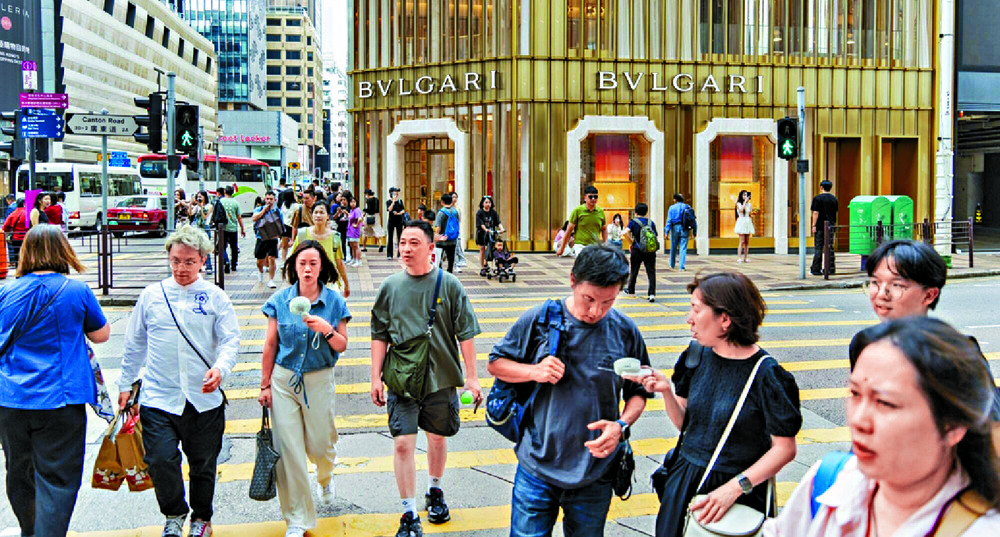
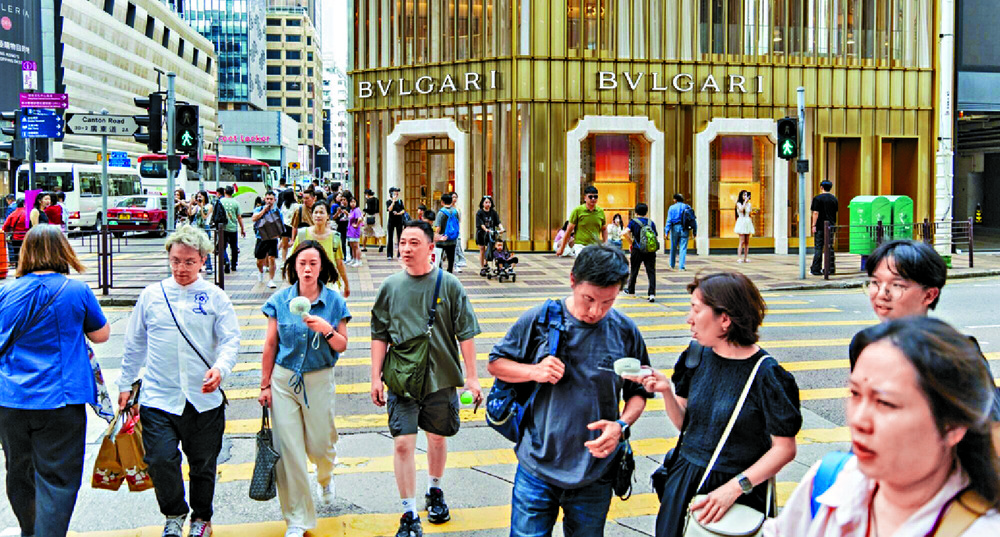
Hong Kong's four major districts saw the vacancy rate of street shops rise to 11.7 percent in the third quarter, the highest in 42 months, said Midland IC&I, while calling for more government support ahead of next month's policy address.
The number of dining establishments in the four major core areas was 2,001 in the third quarter of this year, down by 56 from the first quarter.
Midland warns the vacancy would still hover between 11.5 percent and 12.5 percent in the first quarter of next year.
Midland urged the government to roll out more support in various aspects, as Chief Executive John Lee Ka-chiu will announce his new policy address next month.There were a total of 874 vacant shop spaces across the four major core areas - Causeway Bay, Central, Tsim Sha Tsui, and Mong Kok - as of the third quarter of this year, an increase of 154 compared to six months ago.
Among them, Tsim Sha Tsui's latest vacancy rate reached 15.4 percent, an increase of 3 percentage points compared to six months ago, with 230 vacant shop spaces, while Central and Causeway Bay recorded 13.8 percent and 13.2 percent respectively.Mong Kok had the lowest vacancy rate among the four areas at 8.9 percent, but the number of vacant shop spaces reached 309, an increase of 72 from the first quarter.
The residential districts, including Yuen Long and Sheung Shui, also saw an increase in the vacancy rates for shops, with the latest figures at 10.2 percent and 9.1 percent, respectively.Meanwhile, Midland said that retailers are slowing their expansion due to the popularity of online shopping and falling consumption.
The number of shops in the clothing, footwear and leather goods sectors in the four core areas totaled 655, down by 28 from the first quarter of 2024, as of the third quarter. However, the number of cosmetics and personal care shops in the four major districts grew by four from the first quarter to 117, as the affordable pricing of fast-moving consumer products continued to attract a steady customer base.