Global and local retailers in China keep coming up with offerings that are often inspired but sometimes downright odd, to say the least, as they try to cash in on the guochao or China chic trend.
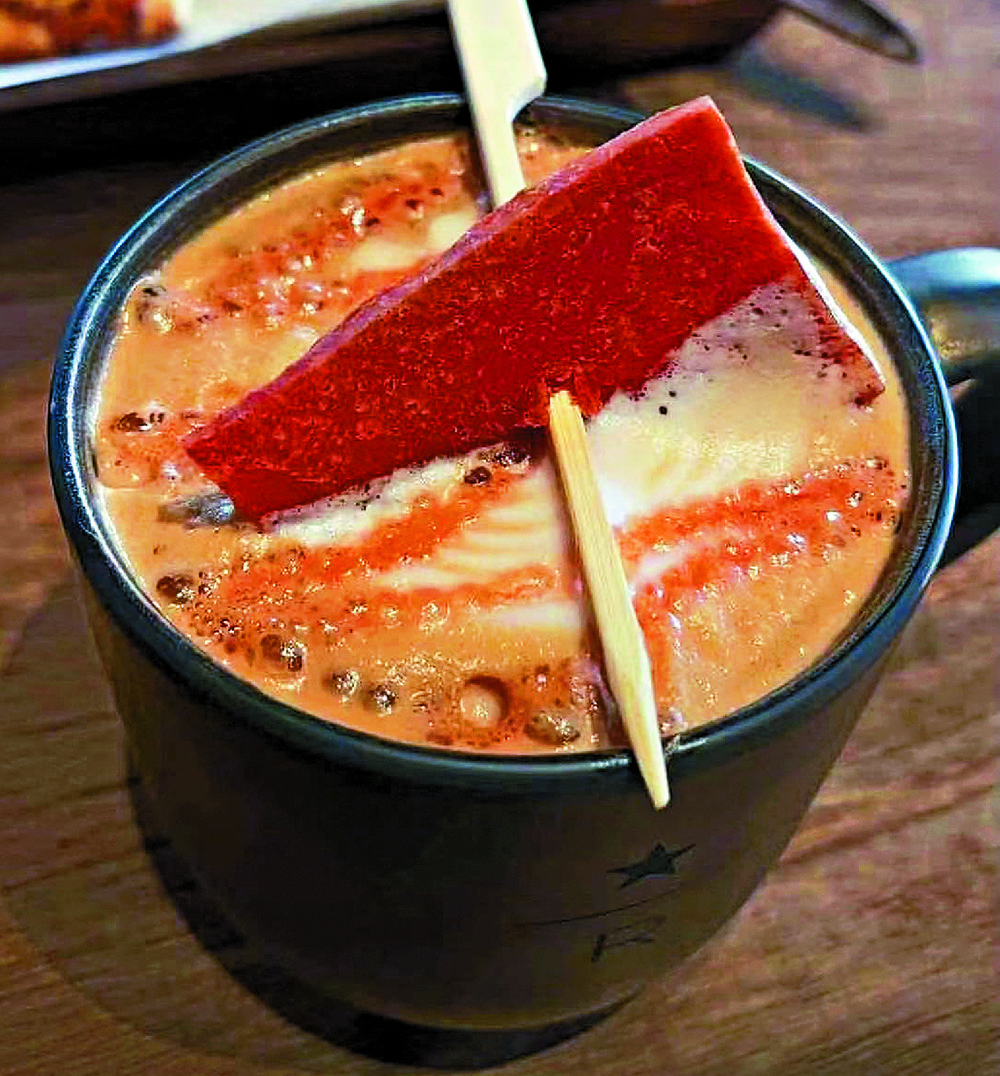
Take for example, a new pork-flavored latte that has captured the interest of the internet in China and raised eyebrows among coffee aficionados.
Priced at 68 yuan (HK$73.9), the limited edition beverage combines Dongpo braised pork flavor sauce with espresso and steamed milk, and topped off with extra pork sauce and pork breast meat for garnish.
The savory latte was launched by the coffee chain across its Starbucks Reserve stores in the mainland to welcome the Lunar New Year.
For the uninitiated, Dongpo pork is made with soy sauce, rock sugar and wine and is a famous traditional dish in Jiangsu and Zhejiang provinces.
But even though mainlanders are no strangers to unusual recipes such as Luckin Coffee's Big Cheese Latte and coffee-and-tea combo Yuanyang, the jury is still out on Starbucks's Abundant Year Savory Latte, whose English name is Lucky Savory Latte.
While odd offering has piqued people's curiosity, the reviews have been mixed.
One user on social platform Xiaohongshu said that though the latte looked strange, the sweet and salty flavor was "intriguing" and it was unexpectedly delicious.
Another was not so impressed, saying it tasted like stewed meat with fermented bean curd and was disgusting.
A third was "pleasantly surprised."
The next few months will tell if the drink remains on the menu, once people have satiated their curiosity.
The latte is yet another example of how businesses are drawing on traditional culture to come up with neo-Chinese chic.
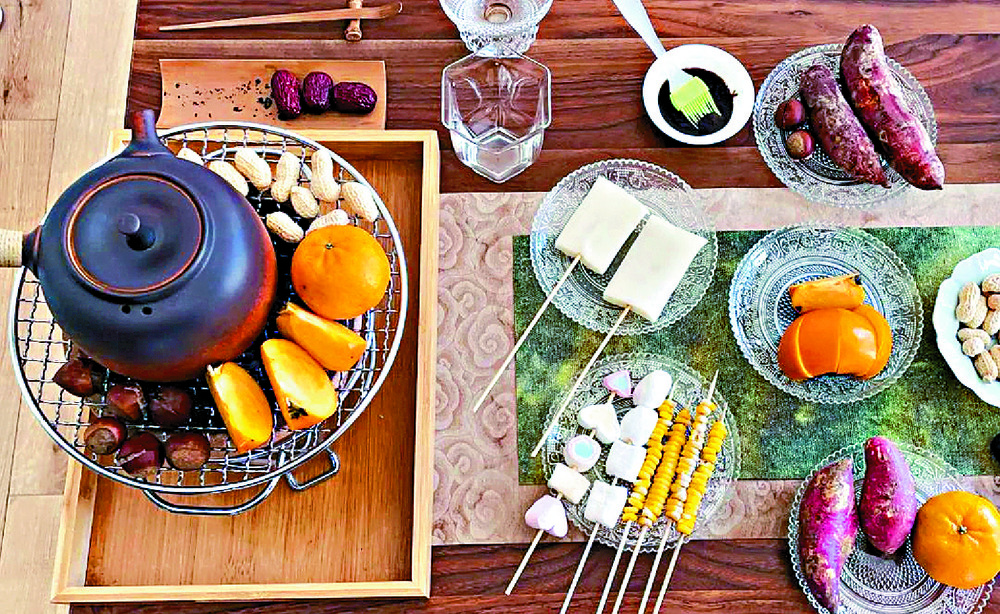
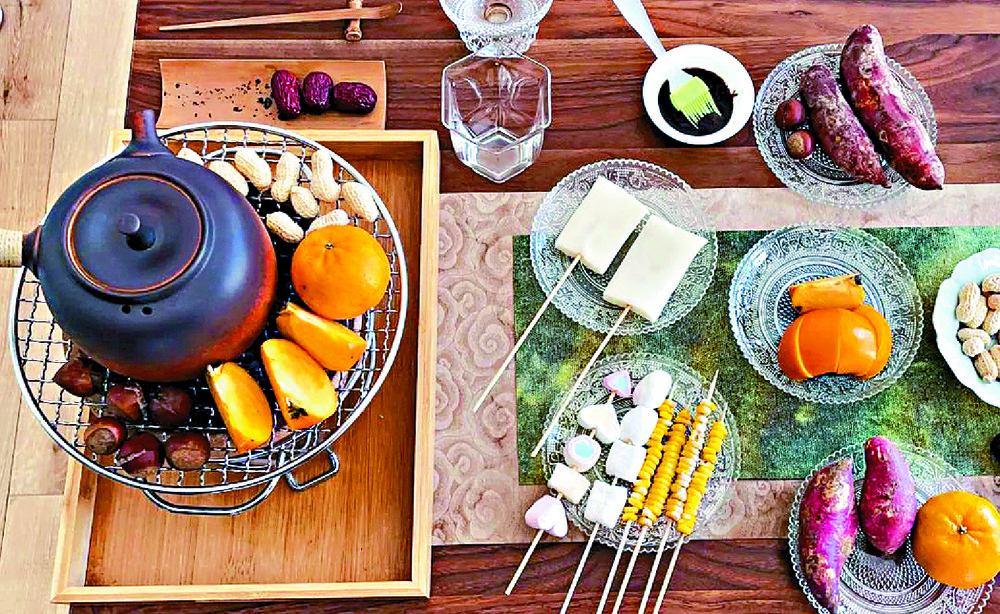
Neo-Chinese tea houses are now emulating the leisurely lifestyles of hundreds of years ago when friends gathered around a small stove on a snowy day for rice cakes, peanuts and fruits.
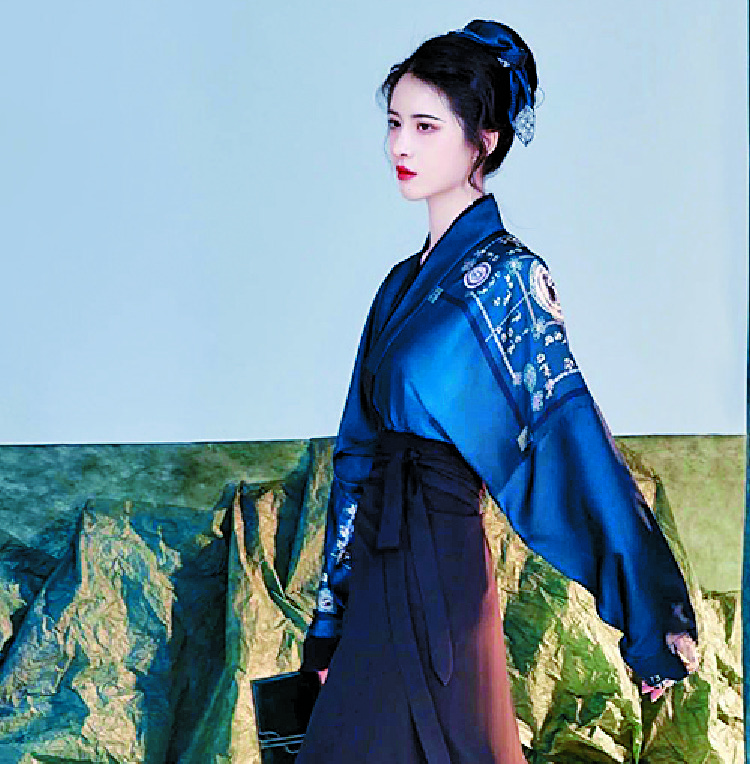
And neo-Chinese fashion - which puts a modern twist on Chinese elements like stand collars, embroidery and threaded buttons - has also taken off.
The market has doubled in three years to 1 billion yuan in 2023, according to the China National Textile and Apparel Council.
Unlike traditional Hanfu dress which has seen a resurgence in popularity among Gen Zers, neo-Chinese fashion is more suitable for daily wear.
Its designs include bubble sleeves cheongsams and stand collar shirts with pleated skirts and transform Hanfu subculture into a new fashion trend.
"Neo-Chinese style is rooted in traditional culture and integrates with other cultures to form individual aesthetic characteristics which align with the tastes of young consumers who want to be unique," a designer said.
Fashion retailer Zhizaosi has seen its revenue soar since its launch in 2020 while theme-clothing brand Zhizhi broke into the top 10 list on Tmall's Double 11 women's clothing stores in 2023, even though its clothes are priced from 1,500 to 3,500 yuan.
Canadian-American athletic apparel retailer Lululemon too is tapping into this niche. Its new spring collection is themed on Eastern culture and was presented by actress Michelle Yeoh Choo-kheng though a juxtaposition of wing chun - a Chinese martial art - and dance.
Wei Pengju, a professor from the Central University of Finance and Economics, said neo-Chinese style fuses traditional and modern lifestyles through creative design.
He said that it will continue to empower new forms of consumption as consumers' sense of identity with traditional culture strengthens.
OLD WORLD CHARM: Neo-Chinese tea houses.
STEP OUT IN STYLE: A creation from retailer Zhizaosi.