The extension of a US ban on exports of artificial intelligence chips to China may ultimately harm America itself as seen in Nvidia's worst share decline in two months, analysts warned yesterday.
The warning came as some analysts also cast doubt on China's ability to catch up on the technology.
US Department of Commerce senior officials admitted that new export restrictions will curb shipments of Nvidia's A800 and H800 chips and chips of Intel and AMD will also be affected.
Expressing "strong dissatisfaction" and "firm opposition" to the new curbs, China accused the US of generalizing the national security concept, abusing export controls and engaging in unilateral bullying.
Meanwhile, Dutch semiconductor firm ASML was left to increase its reliance on revenues from China after orders for its products plunged in the third quarter amid a sector-wide slump in the semiconductor industry.
US-listed chip stocks saw a decline in Tuesday trading on the heels of the news, with Nvidia closing 4.7 percent, AMD dropping over 1 percent and Intel losing about 1.4 percent.
Nvidia warned that the new rules could hinder product development and cause other difficulties.
Nvidia added that although the changes would unlikely take a financial toll on the company in the short term, they will hit its sales in the medium to long term.
There has been a surge in orders from large Chinese customers recently, indicating stockpiling of 800-series chips by China in anticipation of further restrictions.
Although the restrictions would not greatly affect short-term estimates, they could erode Nvidia's long-term prospects, said Bloomberg Intelligence analyst Kunjan Sobhani.
In related developments, Asian stocks tied to AI chips softened in wake of the US announcement. PC maker Lenovo (0992) fell 10.1 percent to HK$7.7 and TSMC dropped 2 percent in Taiwan.
Meanwhile, Chinese chipmaker SMIC (0981) rose by 2 percent to HK$20.95 while its peer Hua Hong (1347) rose by 1.1 percent before ending the day with a 1.1 percent loss to HK$19.46.
The new rules will make it almost impossible for Moore Threads and Biren, two well-funded Chinese startups founded by Nvidia veterans, to have their designs manufactured using cutting-edge chipmaking technology.
In other news, US mutual fund issuer Vanguard said it has sold its stake in a joint venture with Chinese fintech giant Ant Group, accelerating its retreat from the world's second-biggest economy.
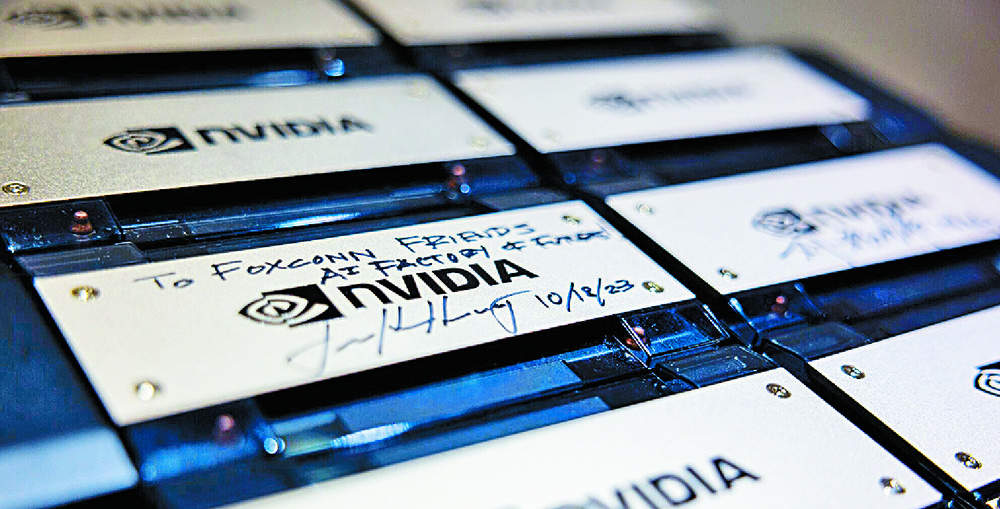
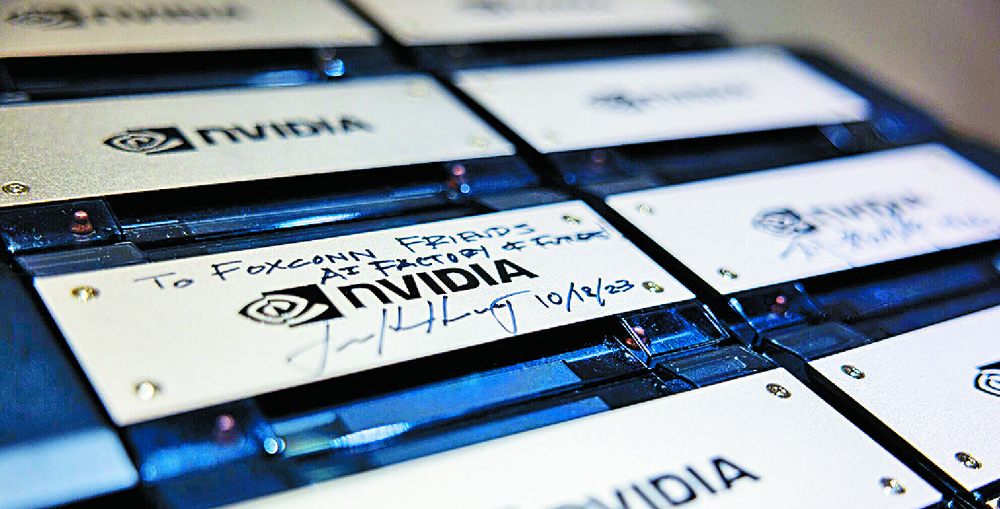
Nvidia’s shares have taken a hit. Bloomberg