Maxim's is embracing artificial intelligence and new technology to keep up with our changing world under a strategy that has helped the venerable Hong Kong restaurant operator survive for nearly seven decades and grow into one of Asia's largest food and beverage chains.
"If you don't join the latest trends, you will be left behind," Maxim's chief operating officer for Hong Kong and Macau Keith Siu Tak-wai tells The Standard.
From its humble beginnings in fifties, the Hong Kong firm - which bears no relation to the famous Maxim's de Paris - has expanded over the years and today operates a range of Chinese, Asian and western restaurants, fast food chains, cafes, bakeries as well as famous brands such as Cova, Starbucks and Shake Shack.
Brothers James Wu Jim-tak and Wu Shun-tak opened the first Maxim's restaurant at Lane Crawford House in Central back in 1956 and Maxim's soon began to expand its own brand, launching Jade Garden, fast food outlets and bakery stores.
It also won the franchise for various foreign brands including Starbucks and The Cheesecake Factory from the United States, Genki Sushi from Japan and Cova from Italy.
In 1980, Maxim's launched China's first Sino-foreign joint venture to provide airline meals, two years after the country began to open up and reform its economy.
Today, Maxim's operates around 80 brands in over 1,900 outlets in Hong Kong, Macau, mainland China and Southeast Asia. It is the largest fast-food chain in Hong Kong, and makes one out of every three breads in the city.
In today's tech-savvy age, Maxim's tradition of keeping up with change has never been more important, and the chain has been quick to adopt the new technology and trends, says Siu.
For instance, the Japanese barbecue brand Yakiniku Like, which was launched in Hong Kong during the pandemic, allows customers to order online by scanning QR codes on each table, cutting down the workload for waiters as well as the waiting time for their food.
Also, Maxim's uses big data, customer relationship management and AI to better manage its thousands of outlets and make changes quickly, when necessary.
After it found many local residents are now eating dinner earlier than before and usually at 5pm, Maxim's rolled out e-coupons to lure some customers to dine later in a bid to increase same-store sales.
"After the three-year pandemic, people's habits changed a lot," says Siu.
And besides early dining, many visitors stay only one day in Hong Kong, which means they won't spend at night, he says.
With the business still below pre-pandemic levels, Siu welcomes the government's move to boost the night economy. "If some practical measures are rolled out, we are willing to extend our opening hours," he says.
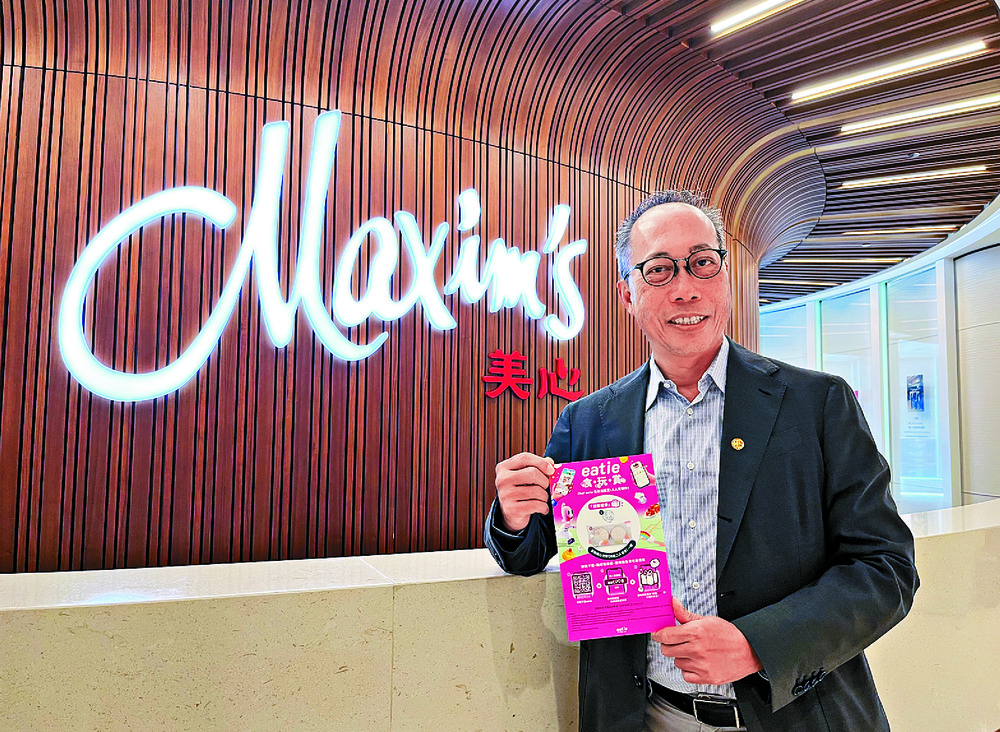
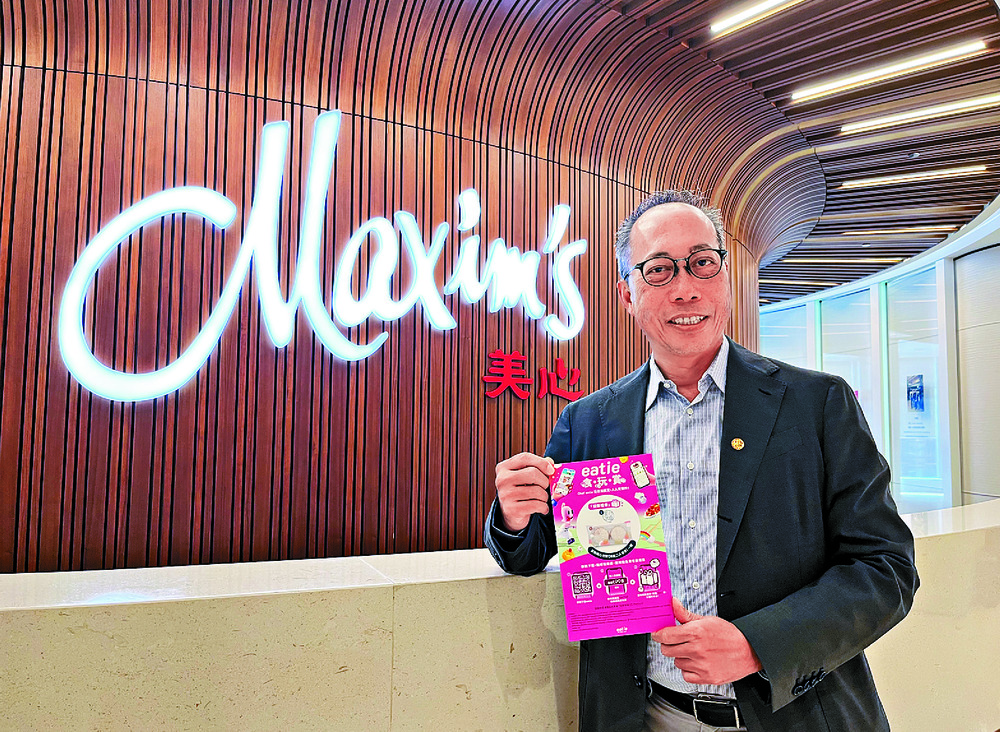
Meanwhile, Maxim's new Eatie app helps users learn how to cook through games and offers winners prizes such as coupons for Maxim's cakes. Built on Web 3.0 technology, the app has been downloaded 10,000 times and Maxim's expects it will not only offer a bit of fun for its customers but also deepen brand loyalty.
When asked if new technologies justify their costs, Siu believes calculations can't be made in this way, as the company must keep pace with technology or risk losing out on opportunities and grow slower.
Cutting-edge technology is also used to make Maxim's mooncakes, including its lava custard series which is popular among mainlanders. The upgraded production lines, which use a robotic liquid egg wash and egg yolk feeder to ensure product quality, have increased production by 67 percent and cut down on labor by 36 percent.
Looking ahead, Siu, who previously worked at Burger King and McDonald's, hopes to put that experience to good use at Maxim's and take the home-grown brand to greater heights of success.
FUN AND GAMES: Keith Siu shows off a flyer for the new Eatie app.