Staff reporter and agencies
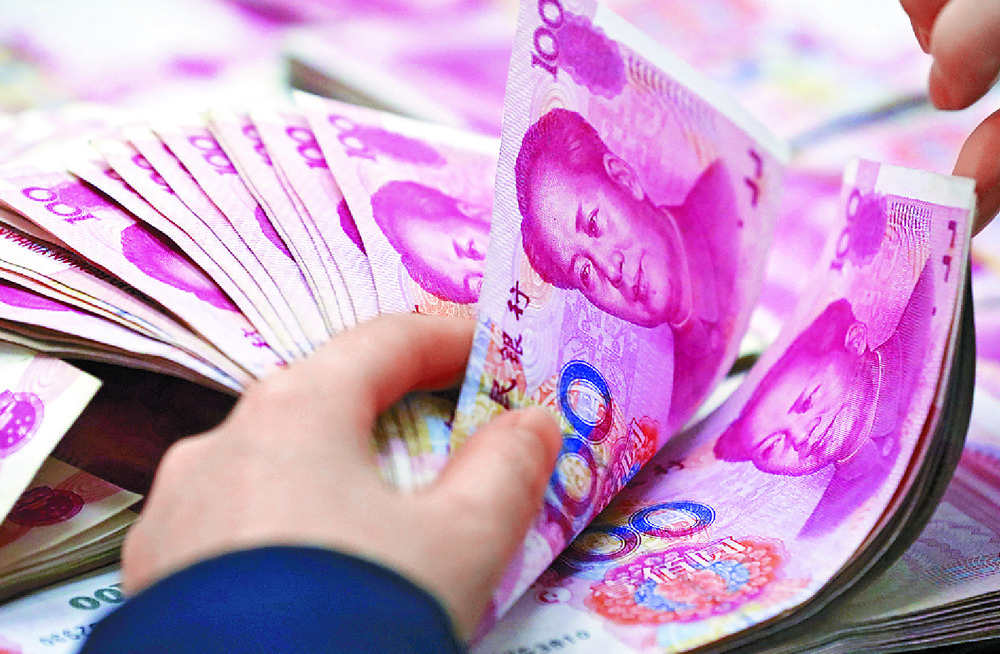
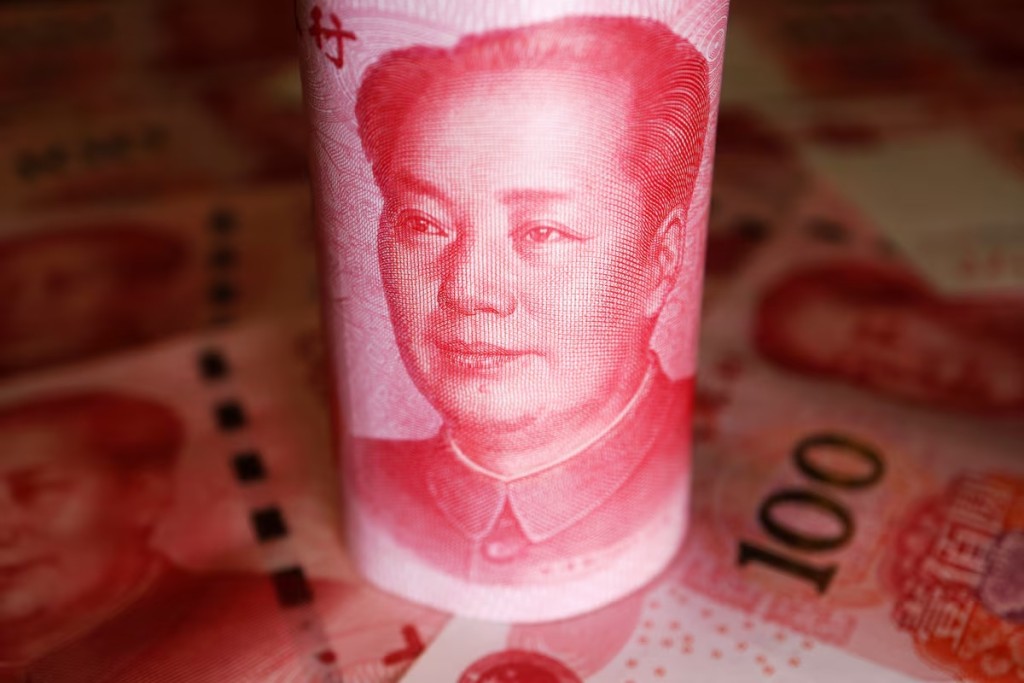
The yuan breached the key level of 7 to the US dollar for the first time this year amid economic uncertainties and a rebound in local Covid infections, in a further sign that China's economic recovery was slowing down.
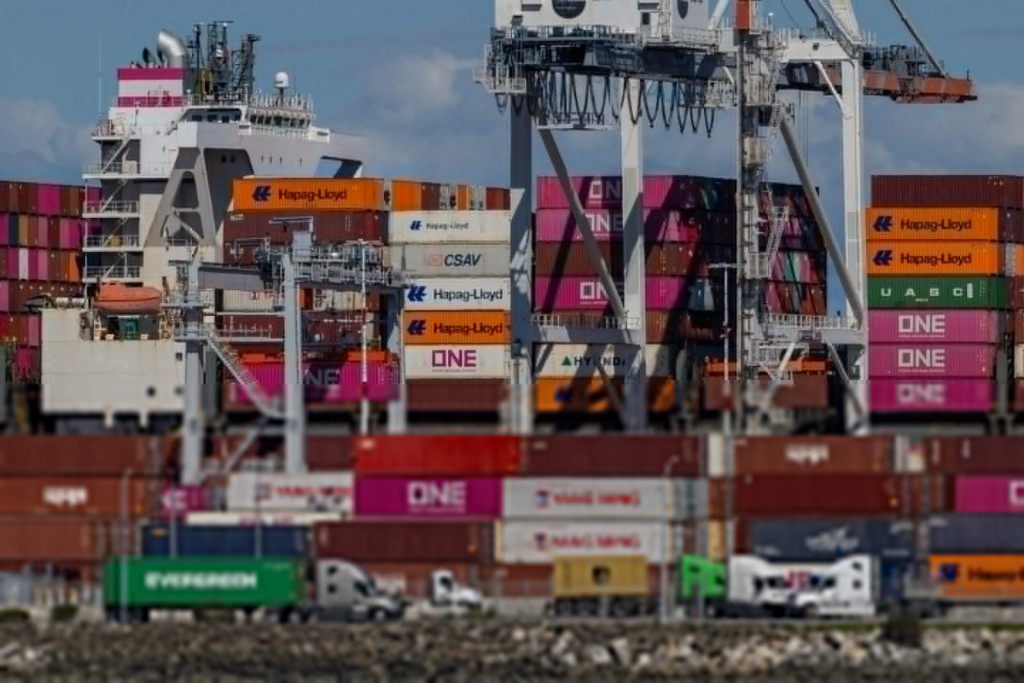
A weaker yuan makes China's exports more competitive but drives up import costs.
The offshore yuan dipped about 160 basis points to 7.015 per US dollar yesterday.
The onshore yuan also at one point exceeded the 7-threshold before depreciating 344 basis points to 6.9985 per greenback, a new low since December 6, 2022.
The weakening of the yuan comes with bearish April economic data and a spike of Covid infections on the mainland, hinting that the recovery of the world's second-largest economy has slowed.
The currency has fallen more than 4 percent from its high in January as traders lose patience with the lackluster economic data.
China's still massive trade surplus is failing to translate into yuan strength, with the nation's relatively unattractive yields compared with those in the US a bigger deterrent. And exporters also appear hesitant to sell dollars on the concern that the yuan may keep falling.
The yuan could slide to 7.3 against US dollar, as the People's Bank of China may not intervene until the 7.3-mark, estimates Nomura.
PBOC Governor Yi Gang said the level of 7 per dollar was no longer a psychological hurdle for the yuan and China has largely ended currency intervention.
Nomura lowered its forecast for China's gross domestic products this year to 5.5 percent from 5.9 percent, while UBS maintained its full-year estimates of 5.7 percent, but sees the yearly growth will be moderate in May as the low base effect fades.
However, the United Nations raised the forecast for China's GDP growth this year to 5.3 percent from 4.8 percent.
Meanwhile, the National Development and Reform Commission issued a guideline to support the purchase and use of new-energy vehicles in rural areas, in line with Beijing's strategies to boost large-item consumption.
But China's property sector, another growth driver, might see contracted sales remain flat this year amid low confidence, said Moody's.
New home prices rose for the fourth straight month in April but at a slower pace, raising fears that pent-up demand following the country's economic reopening is fading.
New home prices in 70 mainland cities in April rose 0.4 percent month-on-month, slowing from a gain of 0.5 percent in March, according to Reuters calculations.
Prices fell 0.2 percent from a year earlier, the 12th month of decline in annual terms. Prices were down 0.8 percent in March. The slowed pace of rebound in home prices, together with Tuesday's bearish data showing a sharp fall in property investment and sales, is casting doubts on the strength of recovery in a crucial economic sector.
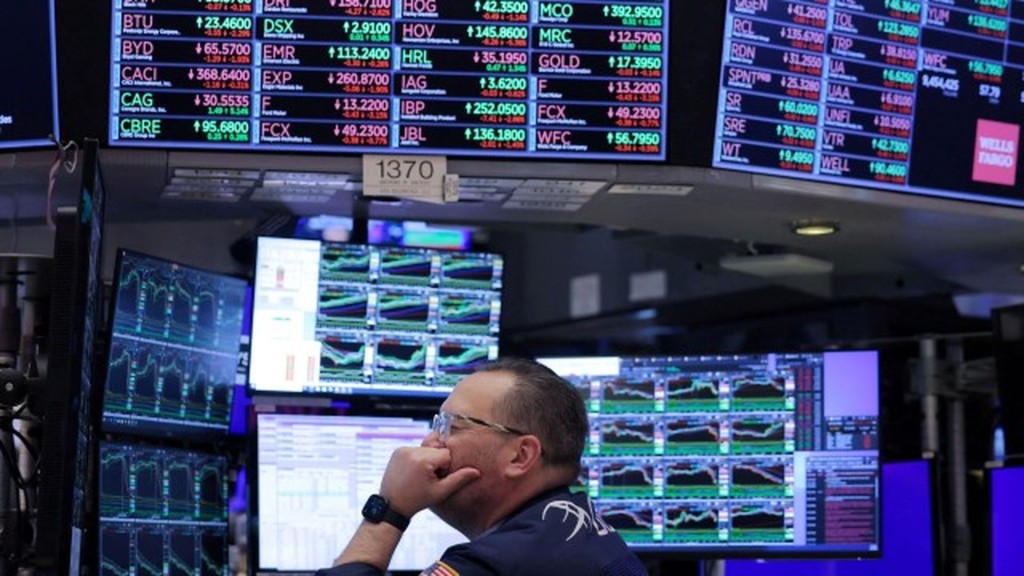
Separately, Hong Kong's stock market benchmark lost 417 points to 19,560 points yesterday.
The offshore yuan dipped to 7.015 per US dollar. AP