Read More


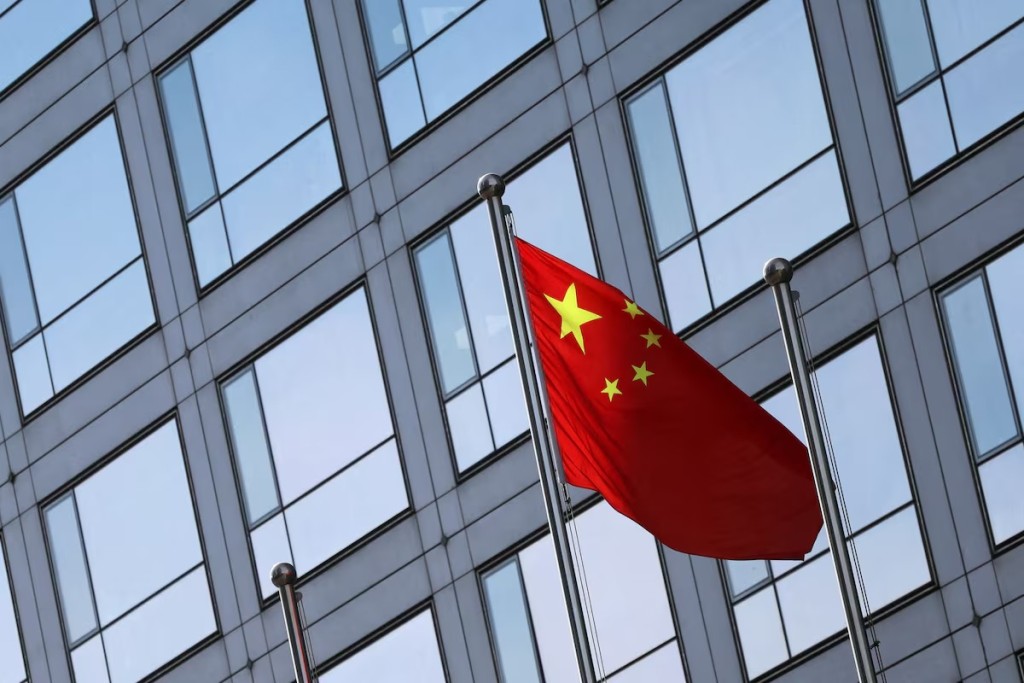







The Chinese economy's debt ratio reached a record high of 279.7 percent in the first quarter of the year, when the mainland property market seemed to lose momentum and property agents were asked to cut fees.
The macro leverage ratio - or total debt as a percentage of gross domestic product - rose by 7.7 percentage points from the previous quarter, the biggest jump in three years, according to central bank and statistics bureau data compiled by Bloomberg.
The debt ratio held by non-financial corporations rose 5.8 percentage points. Leverage ratios for the household and government sectors were each up by around 1 percentage point.
However, the data does not include bank loans to local government financing vehicles.
At an April briefing, a People's Bank of China spokeswoman said the country's macro-leverage ratio climbed to nearly 290 percent in the first quarter of 2023, partly due to seasonal factors such as faster loan extension and the front-loaded issuance of government bonds.
The spokeswoman had said that the ratio should remain stable this year given the momentum of the economic recovery.
It came as a report by China Index Academy showed that property transactions slumped by 28 percent month-on-month by areas in 14 major Chinese cities it tracked last month.
But the sales were up by over 30 percent from a low base a year ago when the strict Covid policies were in place, the real estate research institution said. Property transaction areas fell by 7.6 percent from March in tier-one cities and tumbled by 38.2 percent in tier-two cities.
Separately, the Ministry of Housing and Urban-Rural development and the State Administration for Market Regulation issued a joint notice, asking property agencies to lower agents' commissions and not to bundle any charges.
Meanwhile, shares of Sunac China (1918) declined by 6.5 percent after the developer said its contracted sales in April tumbled 40.6 percent year-on-year to 8.06 billion yuan (HK$9.14 billion).
Its peer Yuexiu Property (0123) said it plans to raise nearly 1.4 billion yuan by issuing a 3.8 percent bond that is due in 2026 to replace some offshore medium to long term debts.