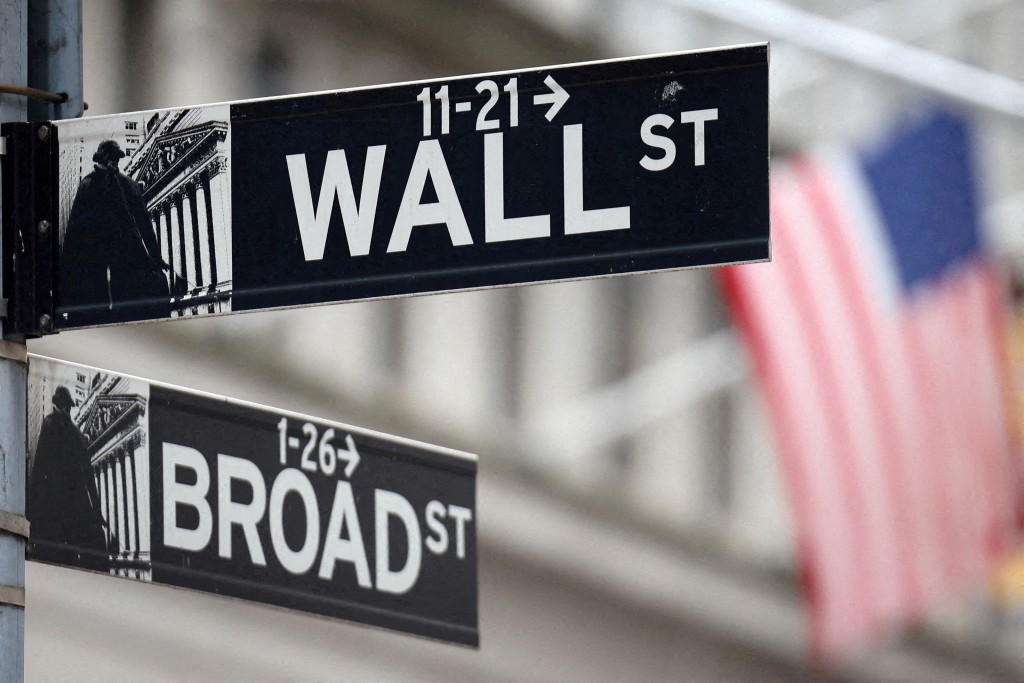
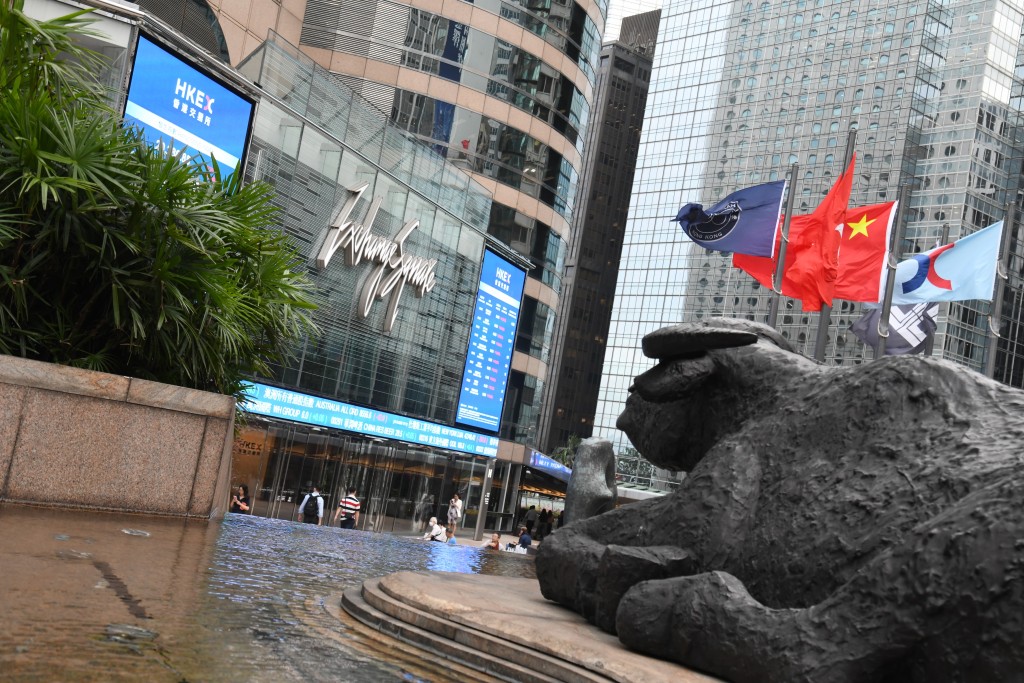
Hong Kong stocks ended a two-day rally by slumping nearly 500 points yesterday, with a drop in local developers' shares, following a heavy sell-off in the US market after Federal Reserve chair Jerome Powell's hawkish comment on interest rate hikes.
The Hang Seng Index sank 487.7 points, or 3.1 percent to 15,339.49 after a 7.8 percent advance over the first two days of this month on rumors of China reopening.
Developers fell as major local banks raised their prime rates again. Shares of New World Development (0017) slid by 4.7 percent, while CK Asset (1113) and Sun Hung Kai Properties shed over 2 and 1 percent respectively. However, Hang Lung Properties (0101) rose 4.2 percent and became the best performed blue-chip stock.
Stocks tied to reopening, including casinos, retailers and technology, were among the worst performers as China's top health body reiterated its commitment to the zero-Covid policy.
Yet, investors still believe "where there is smoke, there is fire" and will be looking for subtle signs the reopening is getting pushed up, said Stephen Innes, a managing partner at SPI Asset Management.
Shares of CanSino Biologics (6185) plunged by 35 percent, snapping a 60 percent surge on Wednesday, after the Chinese vaccine maker said its inhaled Covid vaccine may not significantly boost sales.
JD.com (0918) announced its collaboration with China Mobile (0941) on data centers and cloud computing following a similar partnership between Tencent (0700) and China Unicom (0762).
JD and Tencent's stocks dropped by 5.6 and 4 percent respectively. China Unicom rose 2.1 percent, but China Mobile slipped 1 percent.
Macau casino operator MGM China (2282) declined by 2 percent on the back of posting negative adjusted earnings before interest, taxation, depreciation, and amortization of HK$535.5 million for the third quarter from a positive figure of HK$100.5 million a year ago.
After announcing the latest Fed rate hike of 75 basis points, Powell said it was "very premature" to be thinking about pausing hikes and interest rates would peak at a higher level than previously expected.