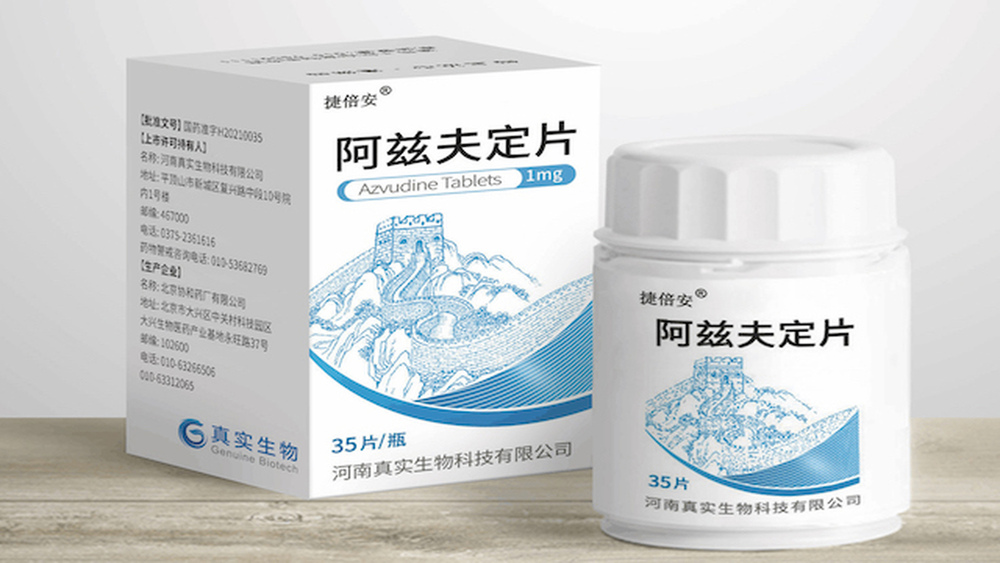
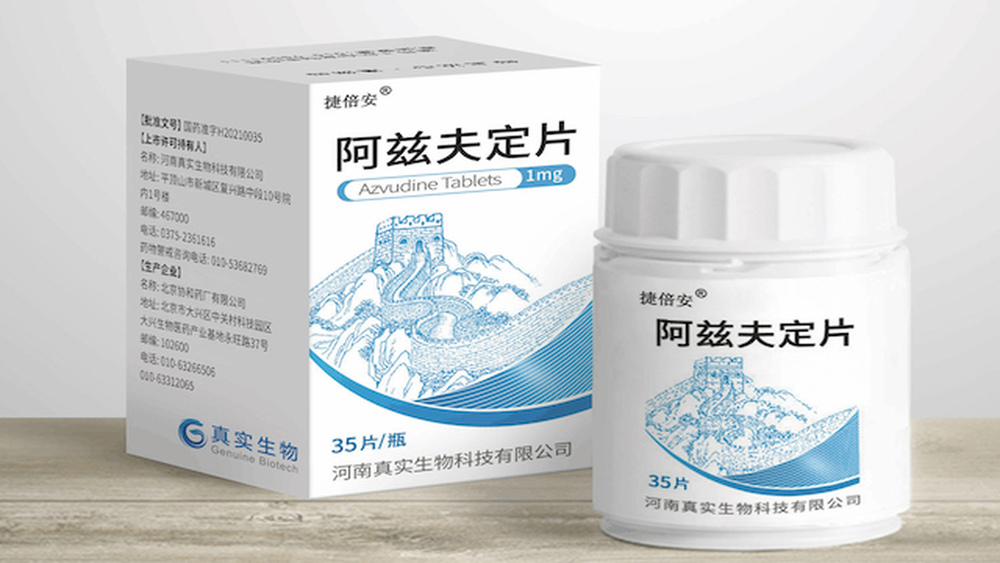
Genuine Biotech, the firm behind China’s first homegrown Covid pill, is seeking a Hong Kong initial public offering as it speeds up the launch of the drug on the market.
Called Azvudine, the drug was first developed as a treatment for certain human immunodeficiency viruses or HIV infections but was later found to be able to treat Covid.
The pharmaceutical firm’s moves were fast. It sold the exclusive commercialization rights for Azvudine to a unit of Shanghai Fosun Pharmaceutical (2196) for nearly 800 million yuan (HK$907.7 million) on the same day that the National Medical Products Administration gave the drug conditional approval in late July. And barely 10 days later, Genuine Biotech filed for the IPO, only 20 days after unveiling phase 3 clinical trial data for the Azvudine tablet.
Compared to Pfizer’s oral pill Paxlovid - the other approved drug for Covid in China, which costs around 1,150 yuan per course of treatment – Azvudine costs only 270 yuan, less than a quarter of its competitor’s price, according to Caixin.
Azvudine is a small-molecule oral drug that acts as a reverse transcriptase inhibitor to impede the replication of ribonucleic acid or RNA viruses such as HIV and the coronavirus.
It was developed by Zhengzhou University and businessman Wang Zhaoyang acquired its intellectual property rights in 2011 before establishing Henan Genuine, Genuine Biotech’s operating company in China, in 2012.
Wang is no longer chairman but still owns a 48.61 percent stake in Genuine Biotech.
While Azvudine has received conditional approval for HIV and Covid treatments, the pill has just come onto the market, which means the biotech firm has not earned any revenue in the past two years.
Its annual loss widened by 31 percent yearon-year to 197.2 million yuan in 2021 and the loss in the first five months of this year was 218.1 million yuan, up 218 percent compared to a year earlier.
Research and development costs took the lion’s share of expenses and accounted for more than half of its loss from January-May this year, though its in-house R&D team only consists of 41 members.
At the end of May, the firm had cash and cash equivalents of 262.9 million yuan while its net debt amounted to 563.9 million yuan, more than double from December 2020.
Through the deal with Fosun, Genuine Biotech has won 500 million yuan funding by selling the rights of distribution, sales and promotion of Azvudine in China, and may get the remaining 300 million yuan if the cooperation extends to other regions.
The pharma firm will be responsible for the manufacturing while Fosun will shoulder the costs of post-approval clinical studies – it is required to conduct additional clinical trials to monitor the efficacy and safety of Azvudine and submit reports to the NMPA before 2026 for both Covid and HIV treatments.
Both parties will each share around half of the gross profits from sales in China, depending on the sales channels.
In addition to authorizing peers to produce the drug, Genuine Biotech has its own manufacturing capabilities with an annual capacity of approximately one billion tablets, which together will be enough to meet market demand, it says.
But the absence of detailed data about the drug’s clinical trials remain a worry.
The drug maker said 40.4 percent of Covid patients taking Azvudine showed improvement in symptoms seven days after first taking the drug, compared with 10.9 percent in the control group, without providing further readings such as its efficacy against infection and death.
Some experts point out that “improvement in symptoms” is unconvincing and very subjective, but also admit it is also “very difficult” to get conditional approval from the regulator without solid clinical data.
The company says preliminary data from clinical trials may change as more patient data become available, which could result in material changes in the final data, and warns that the approval for Azvudine may be revoked if its fails to complete the post-approval requirements.
Genuine Biotech’s other drugs currently in pre-clinical or clinical development, which involves a lengthy and expensive process with an uncertain outcome, may not be successfully developed and may harm its finances.