Hong Kong's government-backed health insurance plans have grown in popularity since their launch three years ago, thanks to their high transparency, wider coverage and tax savings.
And with the taxable year ending this month, taxpayers have been rushing to subscribe to these plans, and save some of their hard-earned cash.
But when choosing any plan, prospective buyers should not just focus on short-term gains such as tax breaks, but also carefully examine whether the plan fits their budget and needs, experts say.
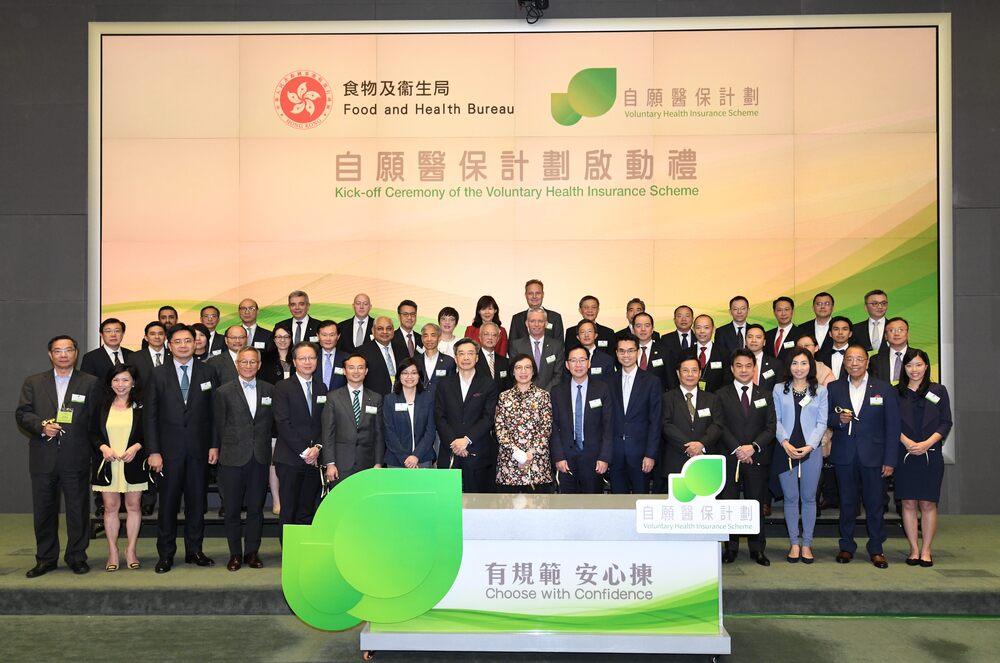
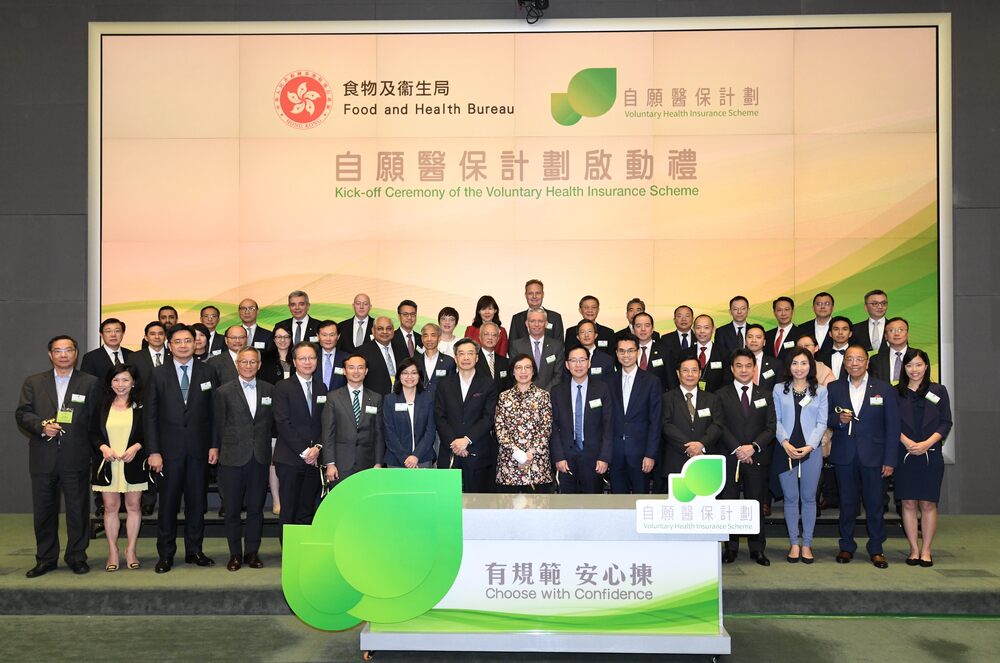
The Food and Health Bureau kicked off the Voluntary Health Insurance Scheme on April 1, 2019 in partnership with the insurance industry to provide people the option of private healthcare and take the pressure off the city's overburdened public hospitals.
One of the main advantages of VHIS is its high transparency as all premium schedules are easily accessible on the websites of the government and participating insurers, which allows users to know whether and how much each plan has raised its premium.
China Tonghai Private Wealth Management's managing director Denise Cheung Pui-yee advises people to compare plans and product features by using the "plan search" function on the official VHIS website www.vhis.gov.hk as other platforms may be sponsored by insurers and thus offer biased information.
Another selling point of the VHIS is the guaranteed renewal up to the age of 100, irrespective of the health of the policyholder.
And as certified plans have no "lifetime benefit limit," when the benefit amounts have been used up in a policy year, they will be counted afresh in the next.
But with policyholders still required to pay premiums after retirement until the age of 100, Cheung cautions that applicants should pay attention to the premiums after the age of 60, which can range from HK$7,000 to over HK$25,000 a year depending on their age and the insurer.
In addition to comparing premiums, people are also advised to consider which coverage best meets their specific needs.
The VHIS offers standard plans and flexi plans.
Standard plans offered by different insurers are fixed in product design and conform to the minimum requirements of the VHIS, covering day case procedures, prescribed diagnostic imaging tests, prescribed non-surgical cancer treatments and psychiatric inpatient treatments in local hospitals.
These benefits are not commonly found in basic health insurance but rather in high-end plans with higher premiums or as an additional option on a basic plan.
Moreover, standard plans also cover the treatment of congenital conditions and unknown pre-existing conditions, not currently covered by the market.
But VHIS only covers congenital conditions which have manifested or been diagnosed after the age of eight.
For unknown pre-existing conditions that existed prior to an application, 25 percent of the expenses will be covered by the scheme in the second year, 50 percent in the third year, and fully covered thereafter.
Cheung says standard plans may not be suitable for people without any medical insurance since they only cover about 60 percent to 70 percent of the cost of a hospital stay.
However, they could be a supplement for those who already have their own health insurance or a company group plan.
Flexi plans work best for those who need higher amounts or broader benefits such as home nursing and emergency outpatient treatment, while their premiums vary depending on the number of top-up protections needed.
Earlier this month, insurer Bupa Hong Kong launched its upgraded Bupa Hero VHIS Plan, which can provide full cover for eligible medical expenses up to HK$40 million per year. On top of the basic protection, worldwide coverage, cancer protection and mental healthcare support are also highlighted in the upgraded plans.
Policyholders should nevertheless note that some flexi plans have deductibles ranging from HK$12,000 to over HK$100,000, which they have to pay themselves before the provider pays the rest.
Finally, while many taxpayers opt for a VHIS because it offers annual tax deduction capped at HK$8,000 - enabling savings of up to HK$1,200 under a 15 percent tax rate - Cheung says people should also bear in mind that health insurance is a long-term investment and it is better to pay more attention to the coverage offered rather than to how much they can save.