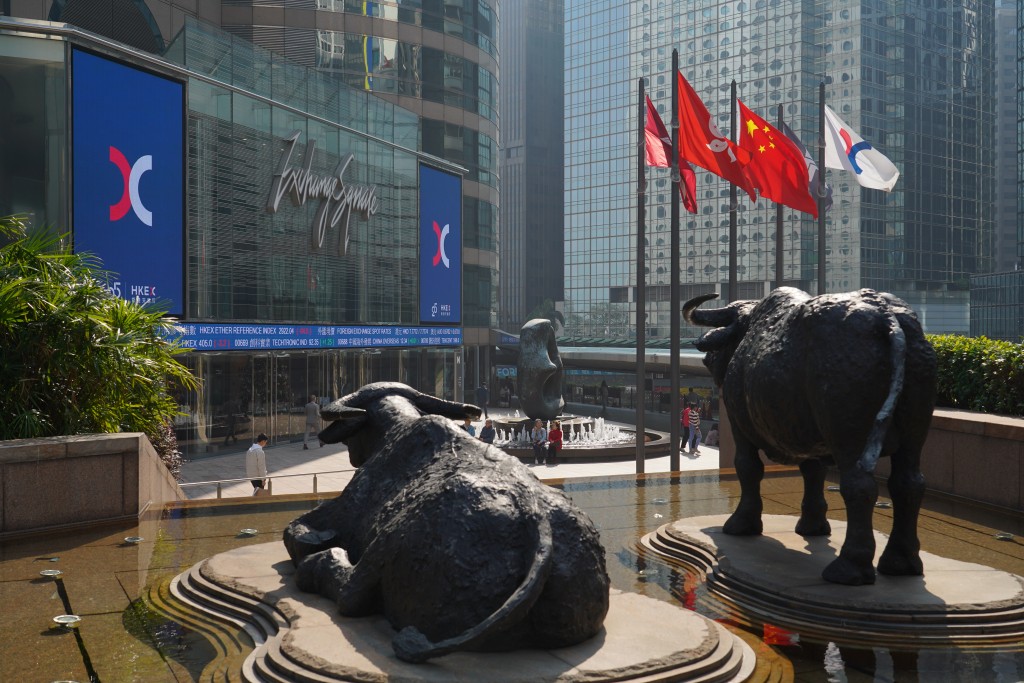
A regional omnichannel pharmacy chain in China backed by pharmaceutical major Sino Biopharmaceutical (1177) has resumed a bid to list in Hong Kong after its first application lapsed last year.
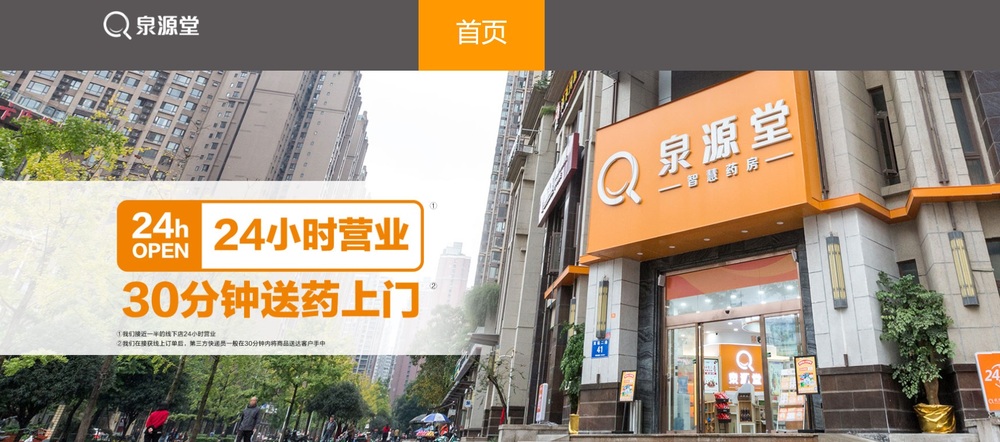
Chengdu Quanyuantang Pharmacy Chain launched business-to-consumer operations in 2014, moving into online-to-offline retail or O2O in 2017 and later launching cloud-based software solutions in 2019.
It describes itself as a "balanced and well-rounded retail pharmacy operation across offline, O2O and B2C channels."
The concept of omnichannel pharmacy retailing is not new to Hong Kong's stock market as JD Health (6618) and Alibaba Health Information Technology (0241) - two of China's largest online healthcare service providers - are also in the O2O pharmacy space.
Quanyuantang's strategic partner Sino Biopharm holds a 33 percent stake in the company and Quanyuantang says it can gain more trust from customers, benefiting from the Sino Biopharm brand and its products, in particular drugs for diseases related to the liver and biliary system, cancer, blood and orphan drugs for rare diseases.
This is Quanyuantang's second attempt to get listed on the main board.
In June last year, the company filed an IPO application to HKEX in the hope of raising US$200 million to US$300 million (HK$1.56 billion to HK$2.34 billion), according to IFR, before the application lapsed last December.
Citigroup and Haitong International Capital are the joint sponsors.
Quanyuantang was listed on the National Equities Exchange And Quotations - an over-the-counter trading market for Chinese small and medium-sized enterprises which cannot list on the main boards in Shenzhen or Shanghai - since August 2015 until it delisted in July 2018.
According to market research firm Frost & Sullivan, China's omnichannel retail pharmacy market accounted for 17.4 percent of the retail pharmacy industry's total revenue in 2020.
While the five largest players in the omnichannel retail pharmacy market command a market share of 59.7 percent in 2020, Quanyuantang had a market share of about 0.8 percent.
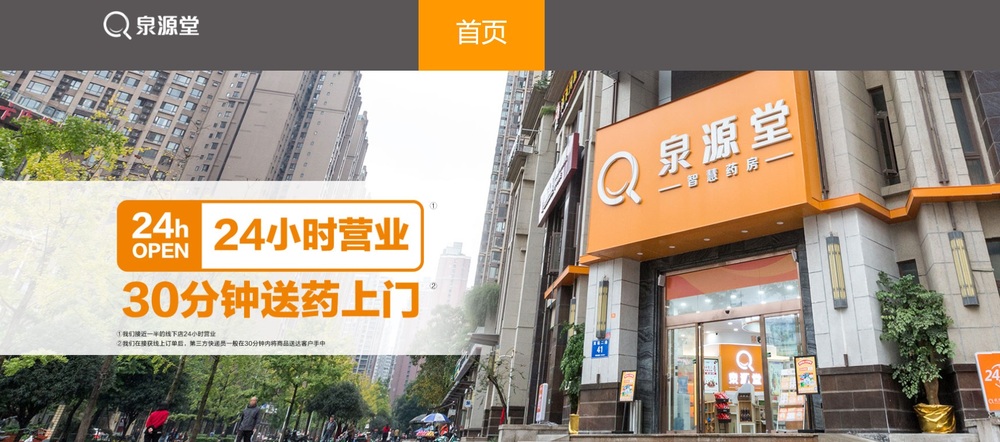
The pharmacy chain has 471 offline retail pharmacies across 15 cities in China, including Chongqing, Guangzhou, Shenzhen, and Shanghai, double the figure from a year ago. But the rapid expansion of its offline retail pharmacy network has weakened its profitability.
TIME LAG
Although the company's revenue increased sharply from 576 million yuan (HK$705 million) in 2018 to 858 million yuan and 1.25 billion yuan in 2019 and 2020, it has not been profitable during the period.
It recorded net losses of 91.4 million yuan, 163.8 million yuan, and 153.4 million yuan in 2018, 2019 and 2020. Its net cash used in operating activities also shrank about 96 percent to 4.5 million yuan in the first three quarters in 2021 from 134.4 million yuan at the end of 2020.
Quanyuantang explained that there is a "time lag between the inauguration and achieving profitability" of retail pharmacies since lease expenses, staff costs and other investment costs are incurred before the store can generate profit.
It added that the majority of its new stores started to generate stable revenues around 12 months after their inauguration, and Quanyuantang believes profitability will improve in the near future.
Apart from O2O business, Quanyuantang provides software as a service or SaaS to retail customers and upstream manufacturers to realize online operations since 2019. It also sells products to other customers such as medical institutions. The two sectors contributed 2.2 percent and 17.9 percent of last year's total revenue respectively.