China is drafting nationwide rules to make it easier for property developers to access pre-sale funds held in escrow accounts to help them meet debt obligations, Reuters reported.
The new rules would help developers meet debt obligations, pay suppliers and finance operations by letting them use the funds in escrow that are currently controlled by municipal governments with no central oversight, sources said.
Guided by the cabinet-level Financial Stability and Development Committee, the sector's main regulator the Ministry of Housing and Urban-Rural Development and other authorities are drafting the new rules, they said, adding that Beijing aims to roll them out as early as the end of January in a push to prevent a wider crisis.
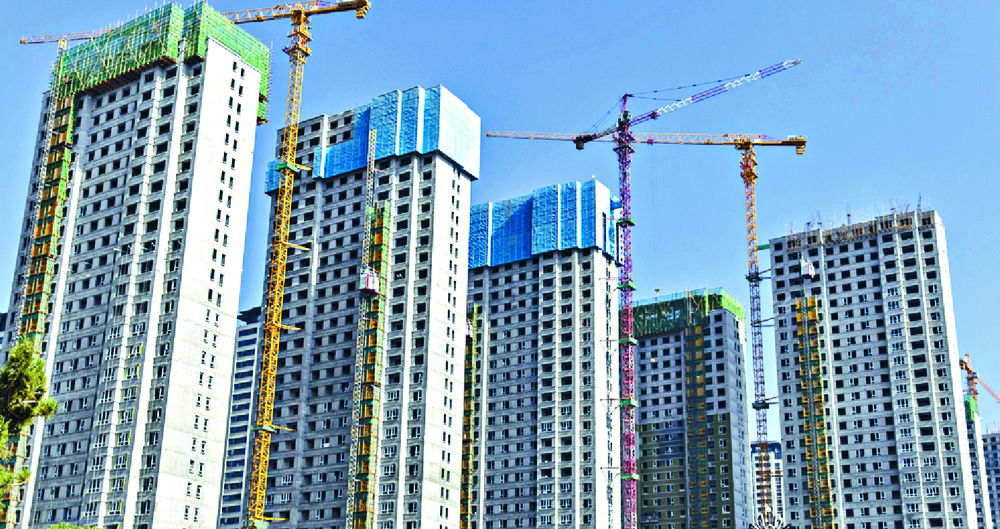
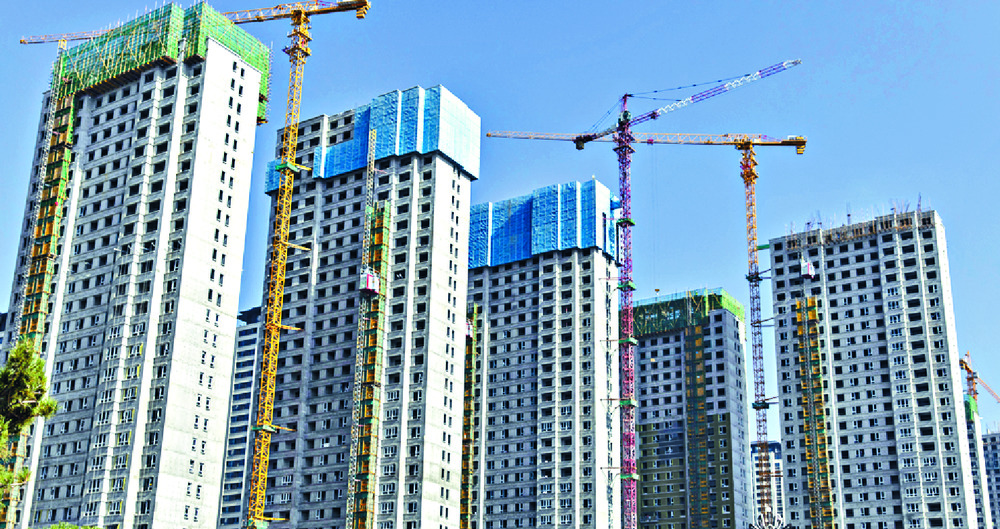
Many local governments curbed withdrawals from the escrow accounts in 2021 amid fears of contagion after news of Evergrande's debt problems, leaving several projects across the country unfinished and worsening cash flow for developers.
While some municipalities have eased withdrawal restrictions since late last year, one of the sources said that due to lack of nationwide rules on this front, local enforcement had already gone too far in several cities The proposed new rules are aimed at allowing developers to use escrow funds to first complete unfinished buildings and then for other purposes, they said.
The rules would also prioritize the repayment of onshore debt of developers with better credit profiles, according to them.
"An abrupt clampdown on escrow accounts by local authorities after Evergrande's (3333) crash choked liquidity for some good quality names. A correction by the central government is much needed," said Nan Li, associate professor of finance at Shanghai Jiao Tong University.
Nomura estimates that Chinese developers would need to meet onshore and offshore maturities of about 210 billion yuan ($33 billion) each in the first two quarters of 2022, compared with 191 billion yuan in the last quarter of 2021.
Separately, the overall net profits of China's central government-owned state firms rose 29.8 percent year-on-year to 1.8 trillion yuan (HK$2.21 trillion) in 2021, according to a statement from the state assets regulator on Wednesday, higher than the 2.1 percent growth in 2020.
The overall revenue of central government-owned state firms grew 19.5 percent from a year earlier to 36.3 trillion yuan in 2021, the State-owned Assets Supervision and Administration Commission said.
The SOEs need to strictly control their debt and investment risks while promoting green technology innovation, it added.
The new rules will help developers meet debt obligations . REUTERS