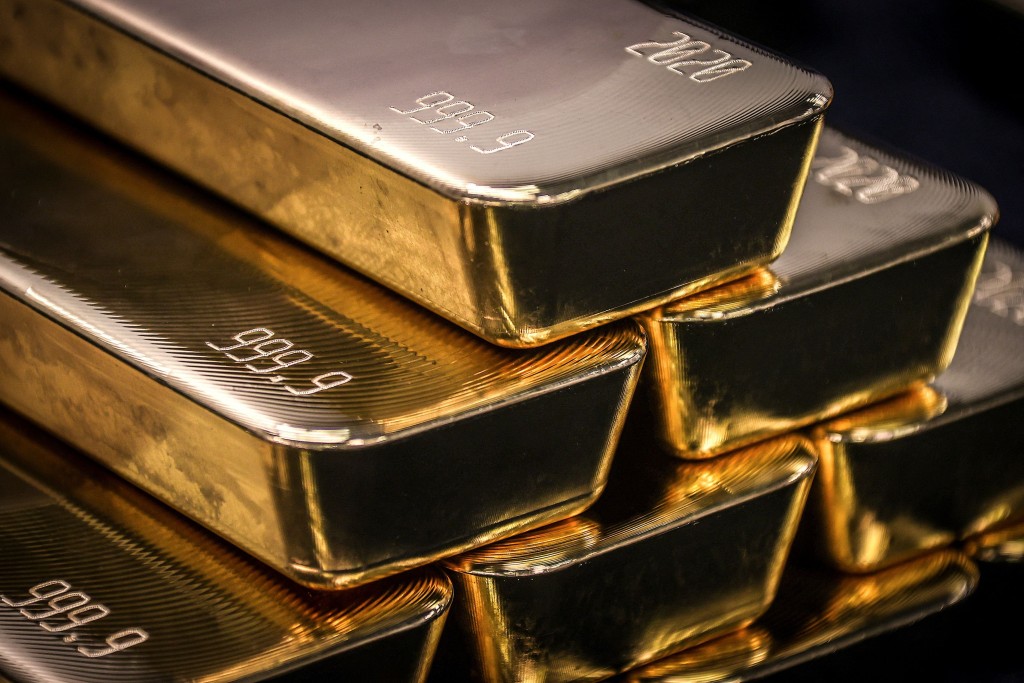
Gold fell on Monday to its lowest in nearly two weeks after US Federal Reserve Chair Kevin Warsh signalled that interest rate hikes may be needed to ease price pressures, while escalating Middle East tensions fuelled inflation fears.
Spot gold was down 0.3 percent at US$4,439.31 (HK$34626.62) per ounce, as of 0643 GMT, after hitting its lowest level since August 19 earlier. Prices dropped over 3 percent on Friday.
US gold futures declined 0.9 percent to US$4,489.50.
"Gold is still licking its wounds after the hawkish tone struck by Warsh at Jackson Hole. US military action in Iran has put upward pressure on oil prices, and this has added to gold's woes from an inflation standpoint," said Tim Waterer, chief market analyst at KCM Trade.
Though viewed as a hedge against inflation, gold typically loses appeal in a rising interest rate environment as it does not yield interest.
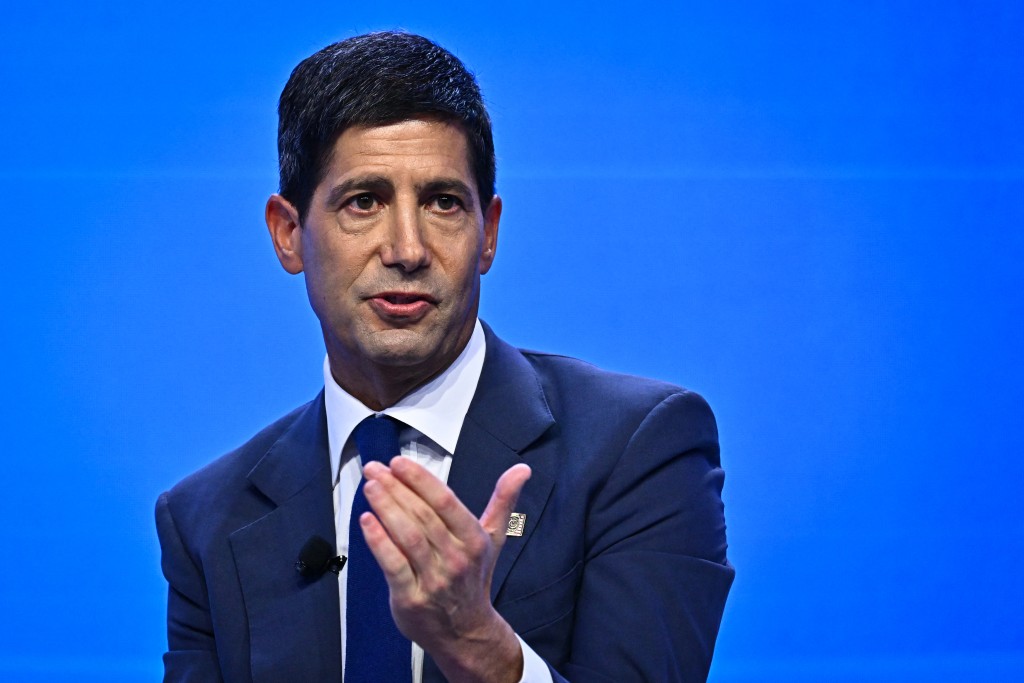
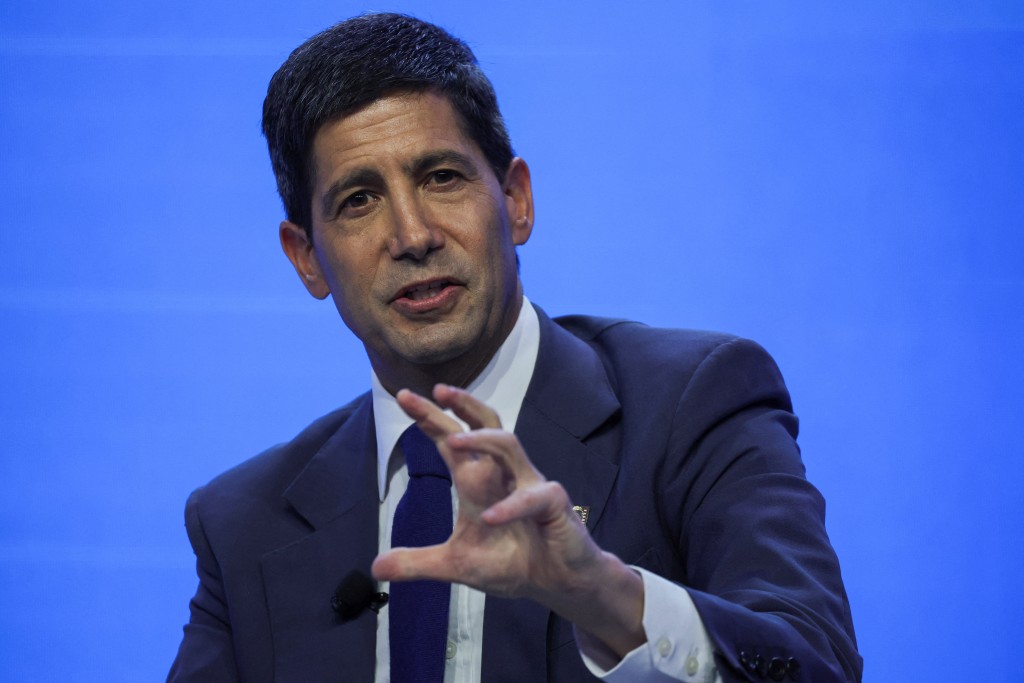
The Fed will "have work to do" if policymakers don't get the confidence they need that inflation is heading down to 2 percent, Warsh said on Friday at the Jackson Hole economic symposium, coming closer than he has to acknowledging rate hikes may be needed.
Markets currently see a 60 percent chance of a Fed rate hike in September, according to the CME FedWatch tool.
US President Donald Trump posted an AI-generated video clip that he said was Iran's oil hub Kharg Island being blown to smithereens, hours after the two countries traded attacks for the first time since July. It was not clear if Trump's post was a threat to Kharg Island or if an attack was taking place.
Oil prices were up more than 2 percent.
A series of US labour market reports is due this week, including job openings, the ADP employment report, weekly jobless claims and nonfarm payrolls data.
"NFP has the potential to either extend gold's post-Jackson Hole softness or provide the catalyst for a short-covering bounce," Waterer said.
Spot silver fell 0.5 percent to US$66.68, platinum declined 0.7 percent to US$1,807.37 and palladium slipped 1.1 percent to US$1,405.75.
BMI said silver prices were likely to stay near current levels, supported by steady investment demand and constrained mine supply, while easing physical tightness and softer demand would limit further gains.
Reuters