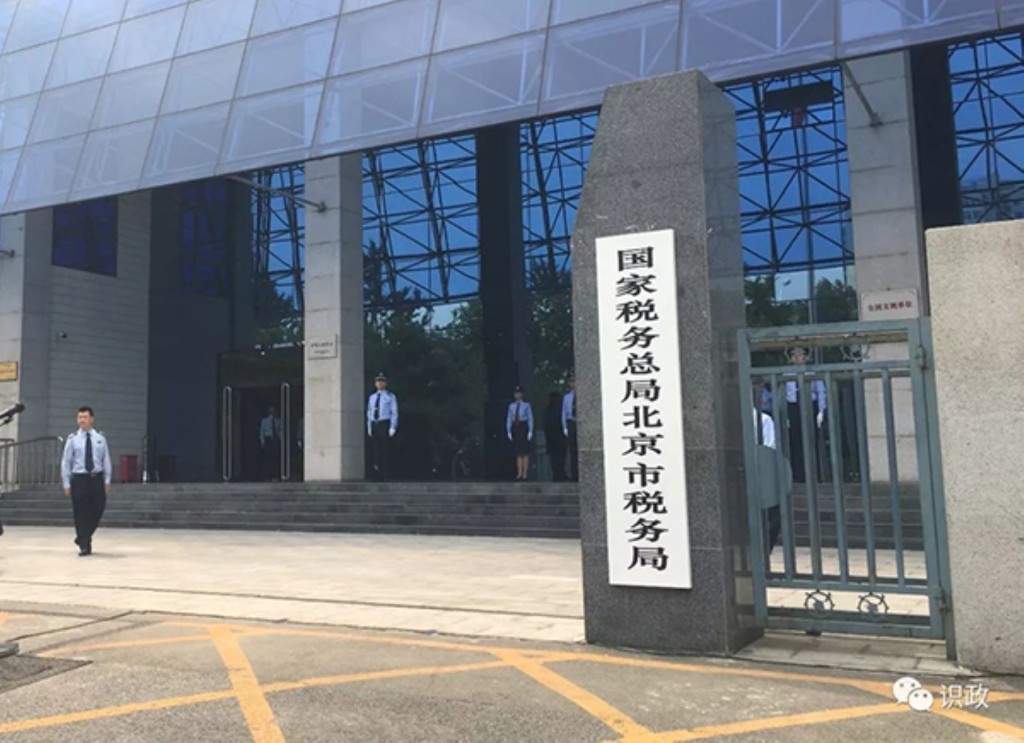
Over 100 mainland-listed firms were ordered to pay back about 7.7 billion yuan (HK$8.98 billion) in taxes and late fees in the first half of this year as Chinese tax authorities stepped up efforts to recover unpaid taxes, exceeding the total recovered amount since President Xi Jinping took office in 2012, Bloomberg reported.
China’s tax clawback includes past misapplications of corporate income tax exemptions, excessive VAT credit claims, and revocation of preferential tax rates previously granted to eligible firms, the report said.
According to data from Citic Securities earlier this year, about 64 percent of listed mainland companies enjoy varying degrees of corporate income tax benefits.
The report cited Heilongjiang Agriculture, a mainland grain giant that had never posted a first-half loss in over 20 years as a listed firm. Tax authorities ruled its prior income-tax benefits ineligible and demanded taxes from the years 2021 to 2025, totaling 120 percent of last year’s net profit. The news triggered a sell-off that wiped out a fifth of its market value in just three days in June. Other companies were required to pay back taxes equivalent to more than six times their first-half profit.
A mainland tax official said small and medium-sized firms are not the main targets for now, describing the current approach as pragmatic, noting that as long as companies pay a “reasonable amount” of overdue taxes, even below the statutory requirement, they may still receive lenient treatment.
The report noted that amid weak domestic demand and property market adjustments, local governments are actively seeking new fiscal revenue sources – intensifying tax enforcement efforts. This also signals a shift away from the previous model in which provinces and cities applied generous subsidies to meet economic growth targets.