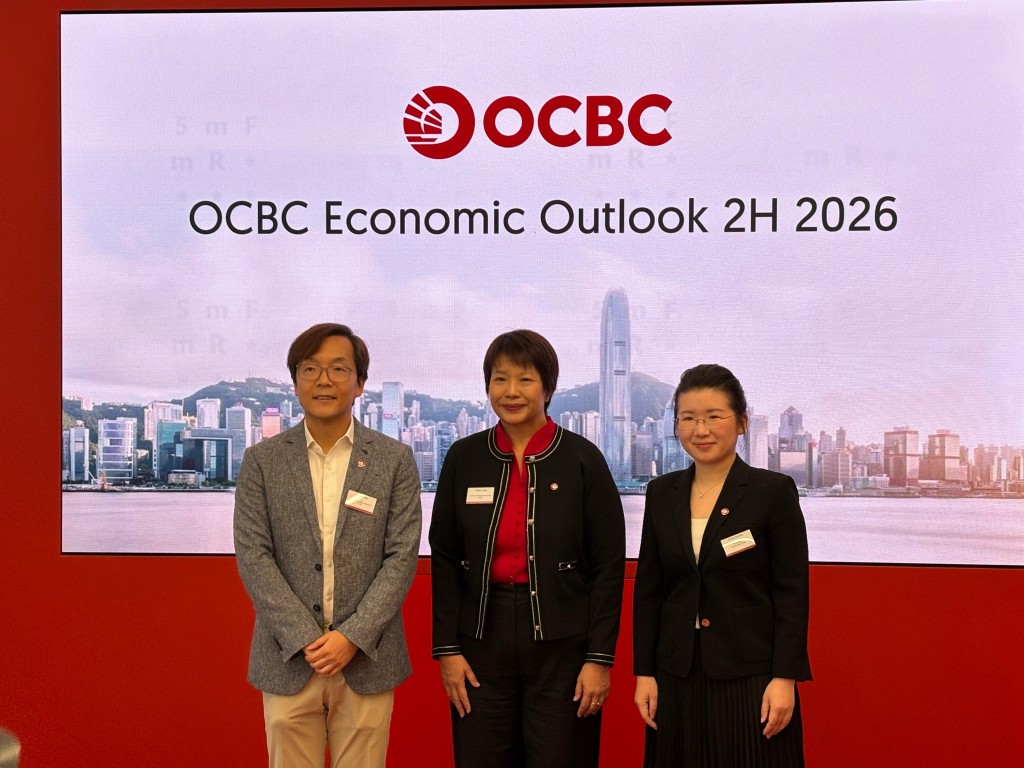
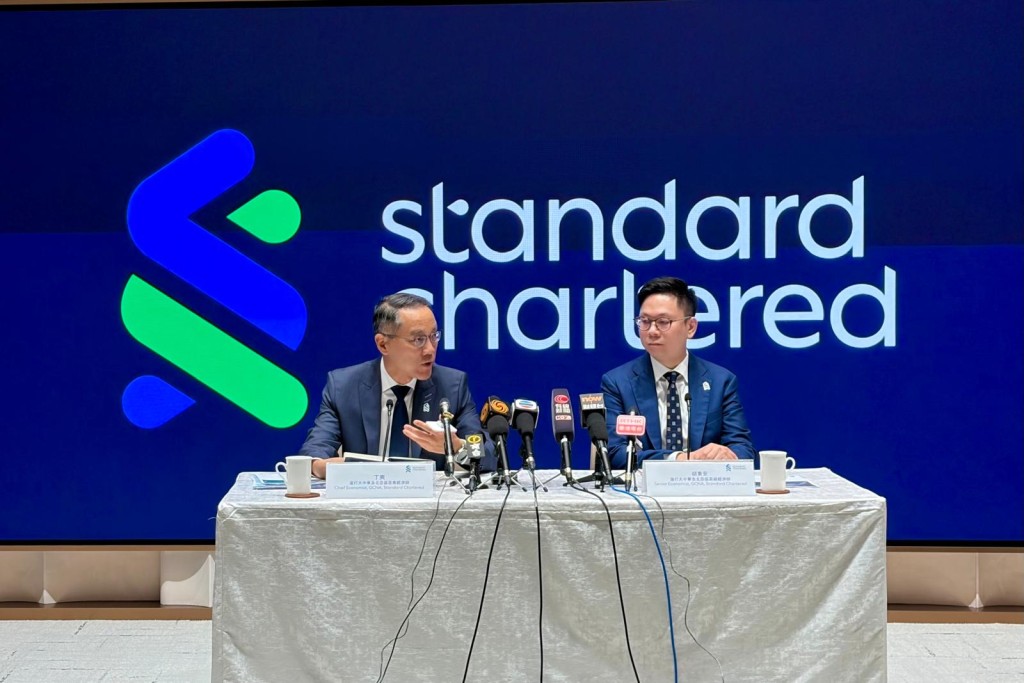
Oversea‑Chinese Banking Corp (OCBC) raised the full-year gross domestic product growth forecast of Hong Kong by 0.4 to 3.8 percent, said by Cindy Keung Ching, economist of OCBC Hong Kong.
Keung noted that this came as the drag from net exports narrowed in the second quarter, expecting the US to keep rates unchanged and oil prices to stabilise, with Hong Kong's inflationary rates remaining at 1.9 percent.
For the local property market, home prices may appreciate at a slower pace of 8.5 percent, and home price growth has been revised up to 4.5 percent from 3.5 percent.
Keung said joint US‑Japan action signaled authorities' reluctance to rapid depreciation and the aim of curbing speculative sentiment. The yen has stalled after rebounding from above 160 to around 155. She added that reversing yen weakness would require policy normalization from the Bank of Japan.
"Benefiting from its strategic position between mainland China and international markets, Hong Kong is evolving into a regional hub for Al-related trade and logistics," Keung said.
Tommy Xie Dongming, head of Asia Macro Research of OCBC, added that China's integrated‑circuit imports surged 72.3 percent year-on-year, underscoring strong upstream semiconductor demand for AI.
At the same time, AI adoption is broadening faster than scaling, highlighting the execution gap.
Selena Ling, chief economist & global head of OCBC Group Research, indicated that Asian economic growth in the first half of 2026 held up well despite headwinds from the Iran War or super El Niño in the Southeast Asia.
Ling pointed out that the US-Iran memorandum of understanding (MOU) agreement brought a temporary ceasefire, while geopolitical risks and supply disruptions remain, such as the restriction of traffic through the Strait of Hormuz since February.
Yu Yan Pui