Read More





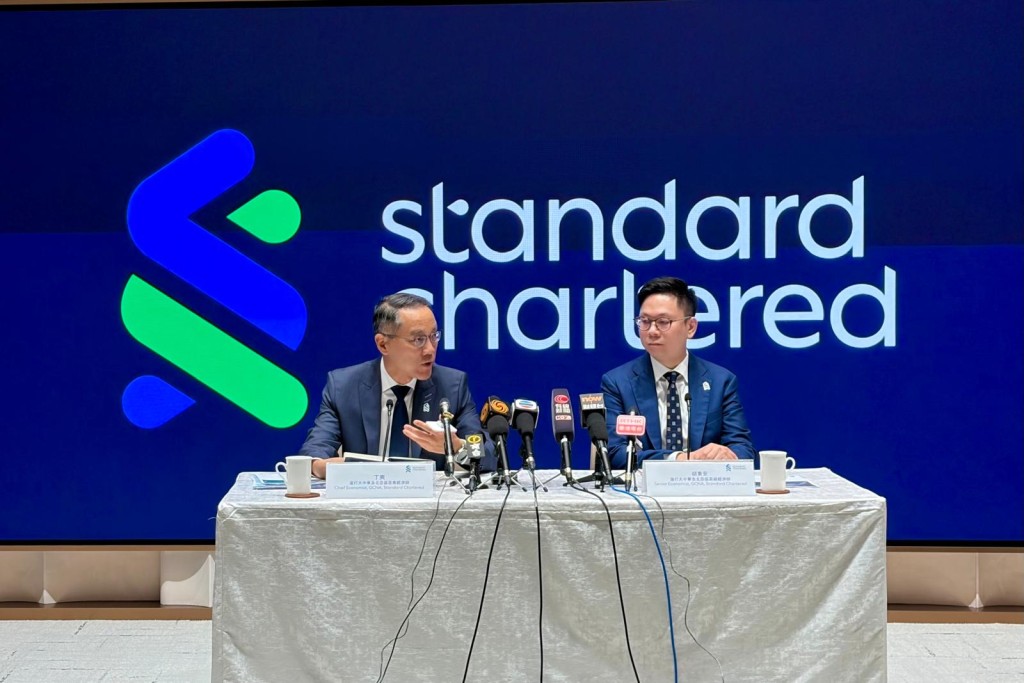
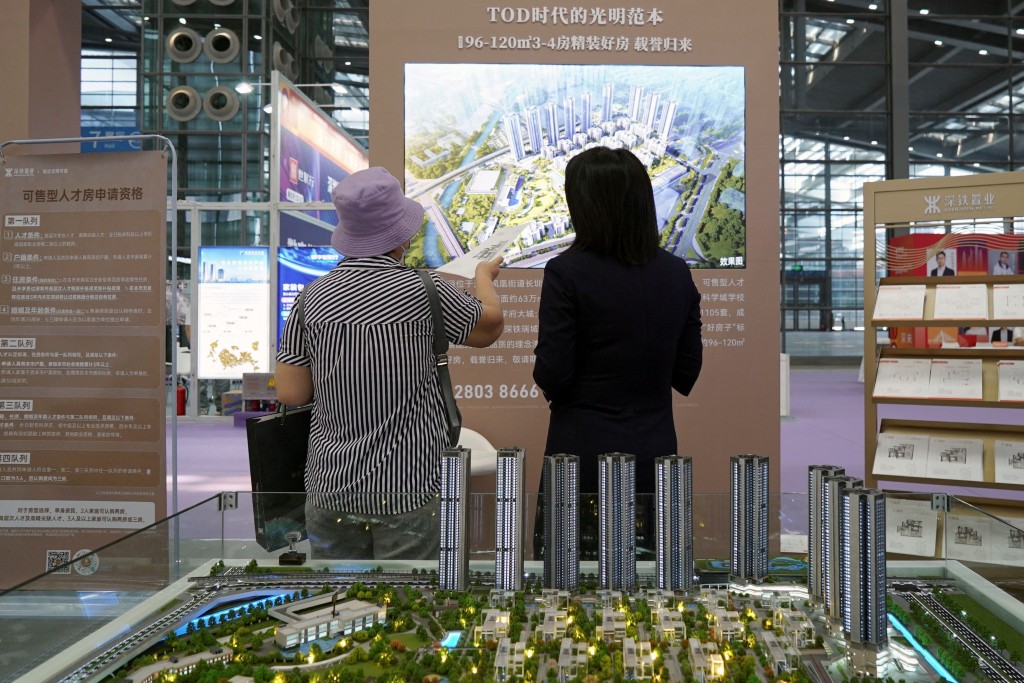
Standard Chartered Hong Kong expects Hong Kong's GDP growth to reach 4.3 percent in 2026, fueled by a robust and strengthening capital, property, and employment markets, improved consumer sentiment, and the artificial intelligence "super cycle".
Assuming U.S. interest rates remain unchanged, economists forecast that the 1-month and 3-month Hong Kong Interbank Offered Rate (HIBOR) will hover at around 2.8 percent and 3 percent, respectively, in the second half of the year.
Tommy Wu, senior economist for Greater China and North Asia at Standard Chartered, said even though Hong Kong is not a chip production hub, its trade and logistics industries benefit from the AI super cycle in the North Asia region's economy, with over 70 percent of electronic products imported through the city. He noted two other key economic growth drivers — Hong Kong's growing number of initial public offerings and rising tourism expenditure by mainland tourists.
Standard Chartered's chief economist for Greater China and North Asia, Ding Shuang, forecasts mainland China's GDP growth at 4.5 percent or higher in the second half of 2026 and 4.6 percent for the full year.
China's last quarter GDP grew 4.3 percent year-on-year, a noticeable slowdown amid strong exports but weak domestic demand. With fiscal support easing in the first half of the year, Ding expects stronger stimulus in the second half if growth risks slipping below the official 4.5 percent target. New measures could be introduced by the end of the third quarter.
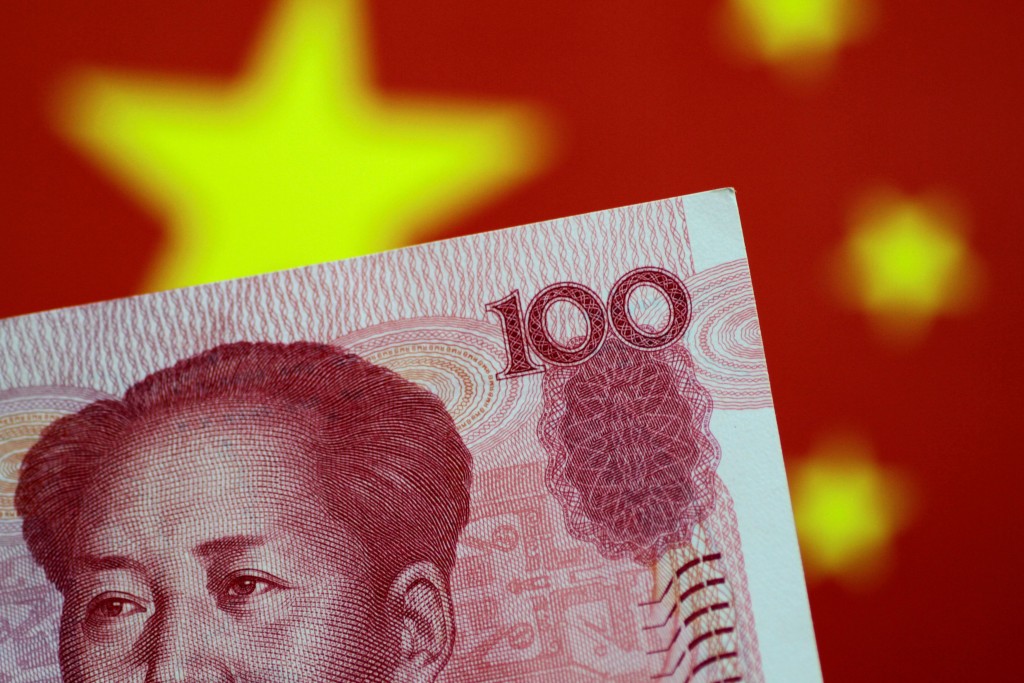
Ding said the anticipated stimulus will be fiscal-led and monetary-supported, featuring higher fiscal expenditure, a rebound in infrastructure investment, and continued issuance of local special bonds. On the monetary side, liquidity will remain ample, with a possible 25 basis point required reserve ratio cut in the third quarter, while interest rates are expected to stay unchanged. The yuan is forecast to trade between 6.75 and 6.85 per US dollar by the end of the third quarter.
Meanwhile, Ding said the bank's view of the Federal Reserve's policy is based on oil prices, with Brent crude estimated at around US$80 per barrel by year's end if countries mitigate risks from the Middle East war. He also noted unit labor costs and wage growth as key factors for the Fed's inflation estimate.
He said that if the war escalates and lasts longer, it could increase the chance of rate hikes. However, the bank still expects the Fed to keep interest rates steady over the next two years.