Read More






Microsoft publishes AI code of conduct
9 hours ago


MTR opens new Tung Chung Line Extension track section with smooth service
13-09-2026 12:59 HKT


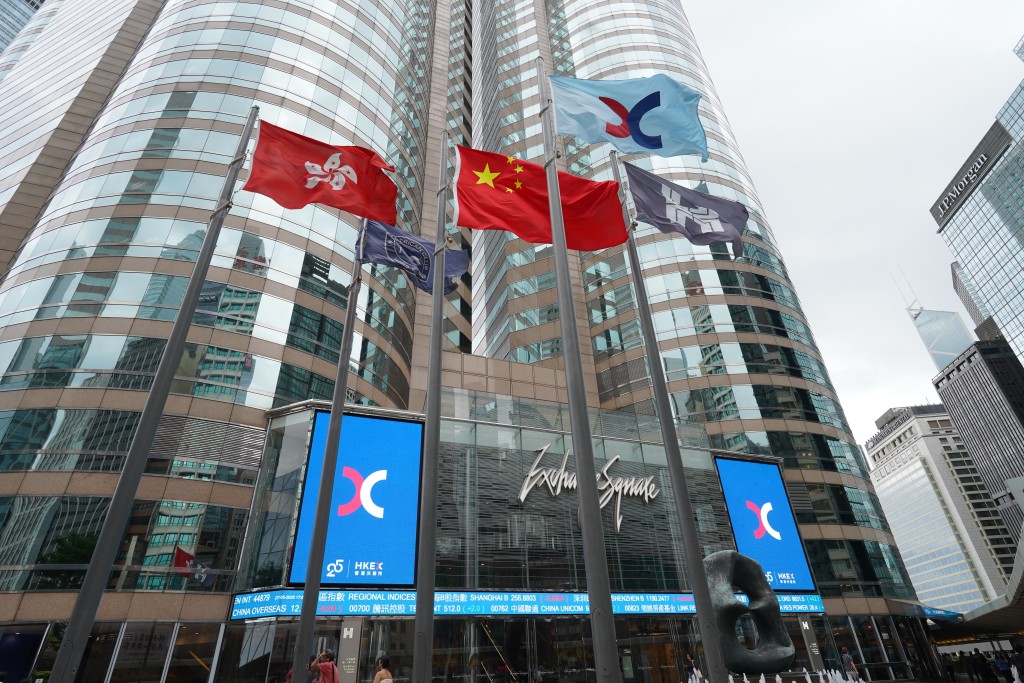
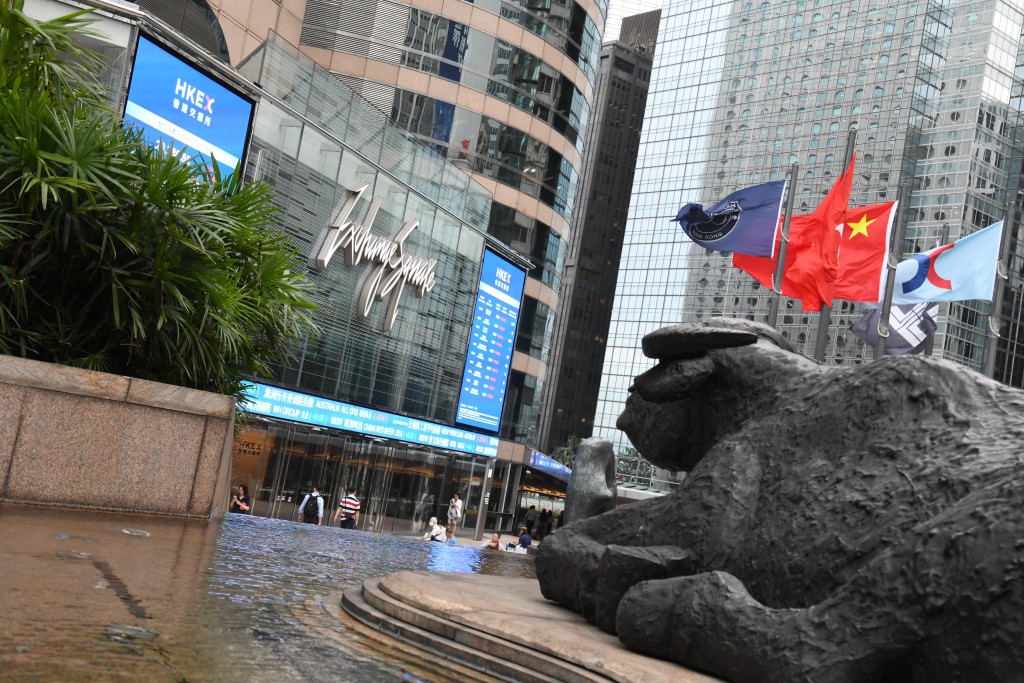
The Hong Kong market did not benefit to the same extent from the artificial intelligence rally as other major markets worldwide, with the Hang Seng Index falling 10.7 percent in the first half of 2026, reflecting weak market sentiment amid poor consumption conditions, according to the Securities and Futures Commission's research paper.
This came as the Hong Kong market has a different structure from many overseas markets, with a more diversified index composition and without large semiconductor stocks that have been key drivers in some other markets, the SFC said in the paper on Thursday.
During the first half of 2026, despite heightened geopolitical conflicts in the Middle East, concerns about potential US interest rate hikes as well as economic uncertainties, optimism around AI offset or even overshadowed these headwinds in most other major stock markets, the regulator said.
The Dow Jones Industrial Average and the Shanghai Stock Exchange Composite Index gained 8.9 percent and 3.2 percent, respectively, within the period, while the Hang Seng Tech Index and Hang Seng China Enterprises Index dropped 18.9 percent and 15.2 percent.
The Hong Kong stock market has remained highly liquid and recorded an average daily turnover of HK$283 billion for the first six months, up 13 percent from a year ago, SFC said.
In particular, the average daily turnover in June hit a monthly record high of HK$319.1 billion, it added.
The paper said the city's active trading activities were backed by the strong turnover of exchange-traded products (ETPs), which saw average daily trading rise 32.1 percent year-on-year to HK$48.4 billion, driven by tech-themed ETPs.
Regarding the initial public offering market, Hong Kong saw 83 IPOs on the main board for the first half of the year, raising funds of HK$208.8 billion compared with HK$286.8 billion from a year ago, which ranked second globally following the US.
Going forward, major stock markets may remain volatile, weighed by uncertainties over inflation and trade policies, the SFC said, adding that correction risks following recent market rallies persist as major overseas markets remain elevated with stretched valuations.