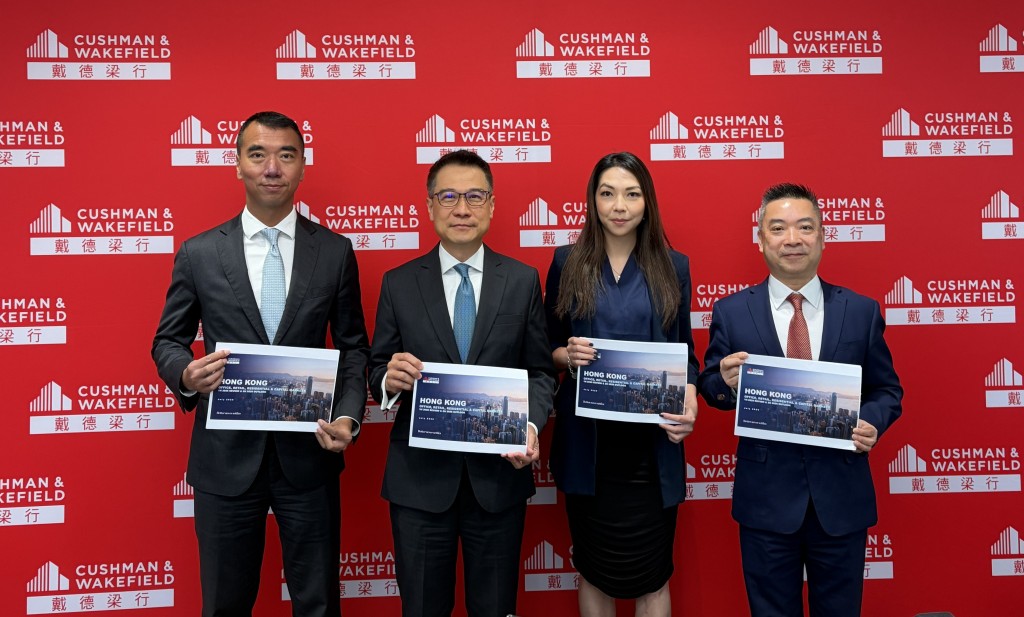
Hong Kong home prices will rise close to 10 percent this year, though residential market activity may slow in the second half after a strong first-half rebound, Cushman & Wakefield expects.
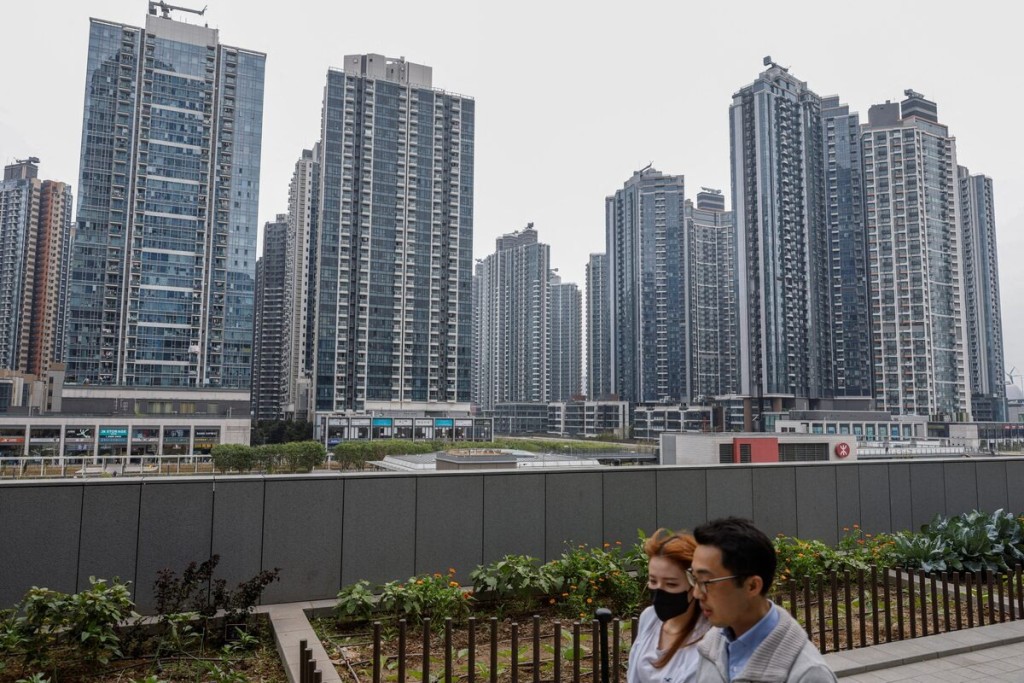
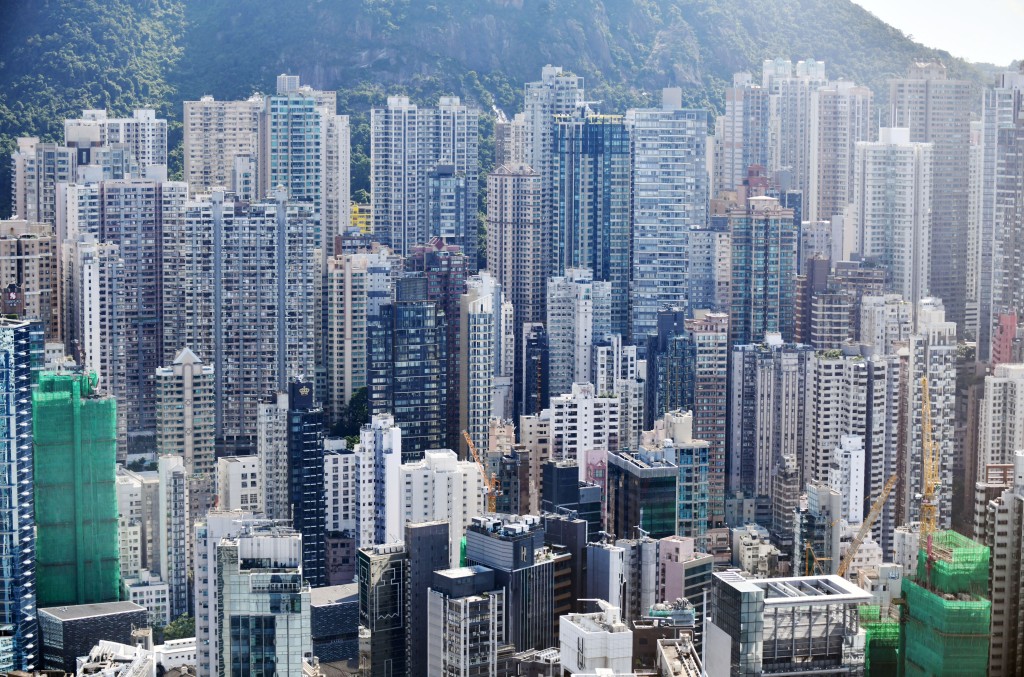
In the residential market, transaction numbers rose 19 percent quarter-on-quarter and 32 percent year-on-year in the second quarter to more than 22,150 units, the highest quarterly level since the second quarter of 2021, according to the property consultancy.
Rosanna Tang, deputy managing director and head of research for Hong Kong, said the firm expects full-year transactions to reach around 75,000 units, supported by resilient housing demand, incoming talent and non-local students.
However, Edgar Lai, senior director of valuation and advisory services for Hong Kong, noted that buyer enquiries moderated toward the end of the Q2. He attributed this to the sustained release of pent-up demand, coupled with rising stock market volatility and tighter cross-border capital controls.
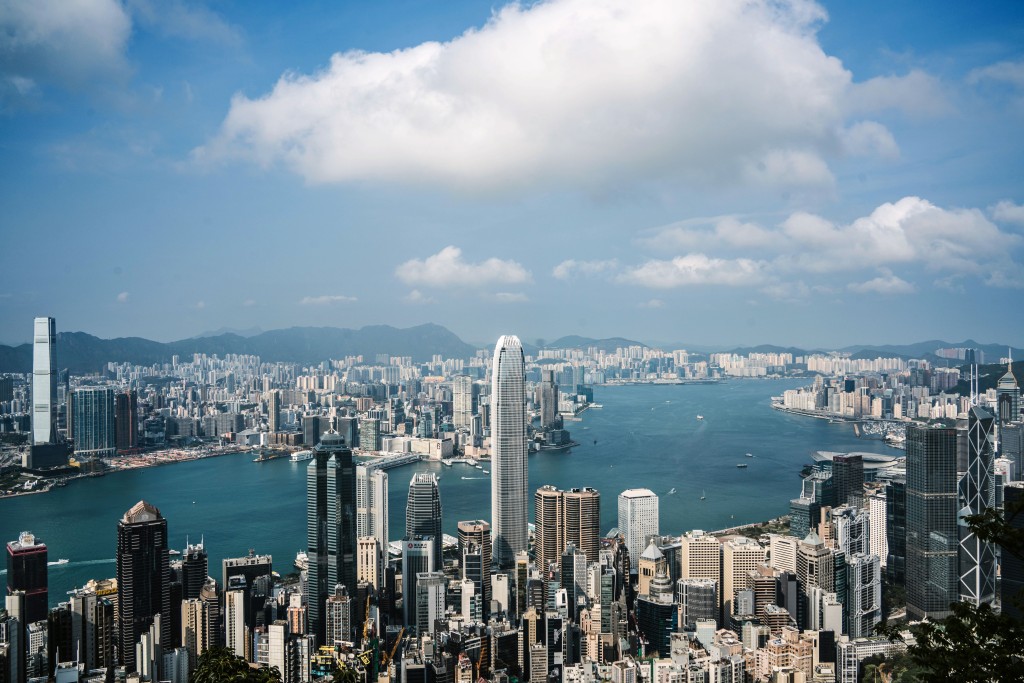
In the Grade A office market, the firm revised up its 2026 rental forecast to a rise of 4 percent to 6 percent, from its previous forecast of 1 percent to 3 percent.
Citywide net absorption reached 396,100 square feet in the Q2, while overall rents rose 1.9 percent quarter-on-quarter.
John Siu, managing director for Hong Kong, said leasing demand was mainly driven by the banking and finance and insurance sectors, which accounted for around 60 percent of Grade A office new leased area in the first half, compared with 38 percent in 2024.
In the retail market, Cushman & Wakefield said high street vacancy in Causeway Bay and Central stayed at 0 percent in the Q2, supporting stronger rental performance on Hong Kong Island.
The firm expects high street retail rents in Causeway Bay and Central to rise by 3 percent to 5 percent in the second half, while Tsim Sha Tsui and Mong Kok are expected to pick up by 1 percent to 2 percent.
In the capital markets, large-sized non-residential transaction volume reached HK$23.2 billion in the first half, up 84 percent YoY.
Tom Ko, executive director and head of capital markets for Hong Kong, said local buyers accounted for more than 70 percent of total consideration, while office assets made up 54 percent of total investment consideration.
Ko said some long-term end-users were buying office assets while prices remained discounted, and firm expects full-year investment volume to exceed HK$40 billion.