






Read More




How the French language contributed to the US-Canada trade war
25-08-2026 13:02 HKT


Over 50 evacuated as fire in Causeway Bay disrupts traffic and trams
25-08-2026 12:58 HKT

Taxi stuck sideways in narrow Central alley
24-08-2026 15:55 HKT


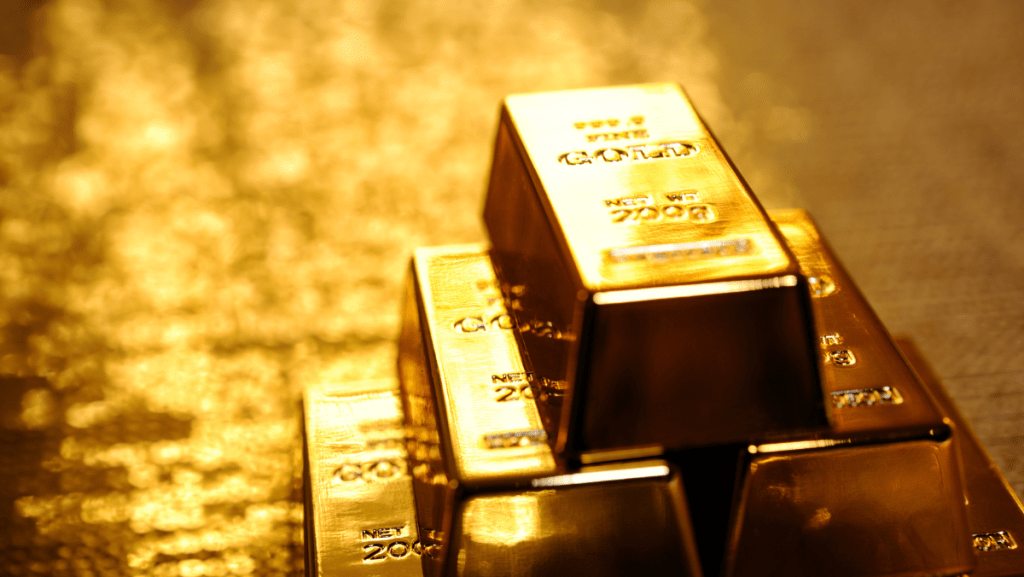
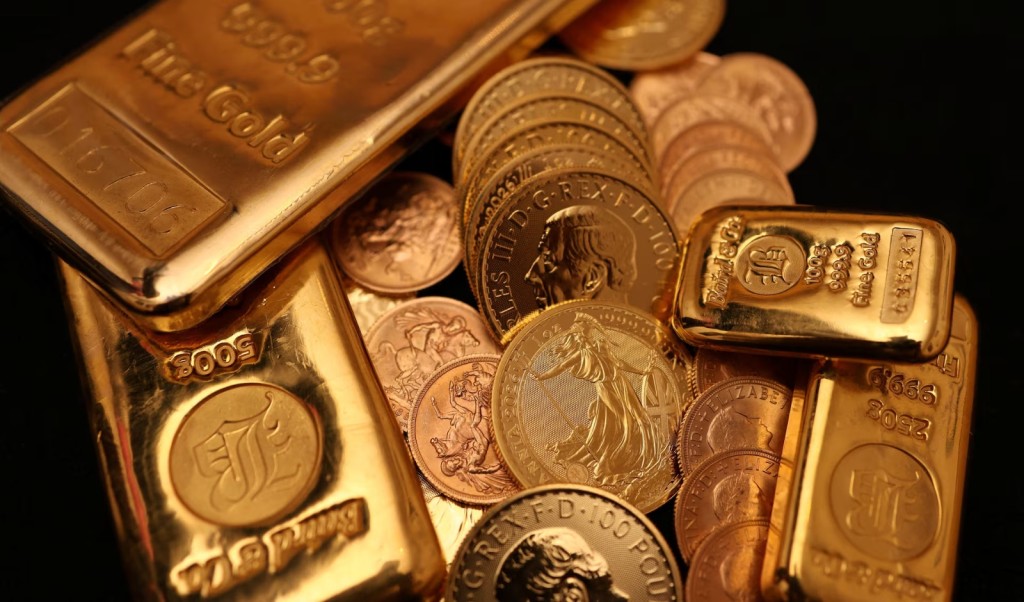
Gold prices fell on Monday, as a lack of progress in US–Iran peace negotiations pushed oil prices higher, fuelling concerns that elevated inflation could keep interest rates higher for longer.
Spot gold fell 0.6 percent at US$4,684.32 per ounce, as of 0223 GMT. US gold futures for June delivery lost 0.8 percent at US$4,692.70.
The dollar firmed, making greenback-priced bullion more expensive for holders of other currencies.
US President Donald Trump on Sunday rejected Iran's response to a US proposal for peace talks, dashing hopes for an imminent end to the 10-week-old conflict that has caused widespread damage in Iran and Lebanon, paralyzed maritime traffic in the Strait of Hormuz, and driven up global energy prices.
"We’re essentially seeing an unwinding of hopes for an imminent (peace) deal, and gold is feeling the pinch from the renewed rise in crude prices," said Tim Waterer, chief market analyst at KCM Trade.
Oil prices jumped as the Strait of Hormuz remained largely closed, keeping global energy supplies tight.
Rising crude oil prices risk pushing inflation higher, increasing the prospects of elevated interest rates. While gold is traditionally seen as a hedge against inflation, high interest rates tend to weigh on the non-yielding asset.
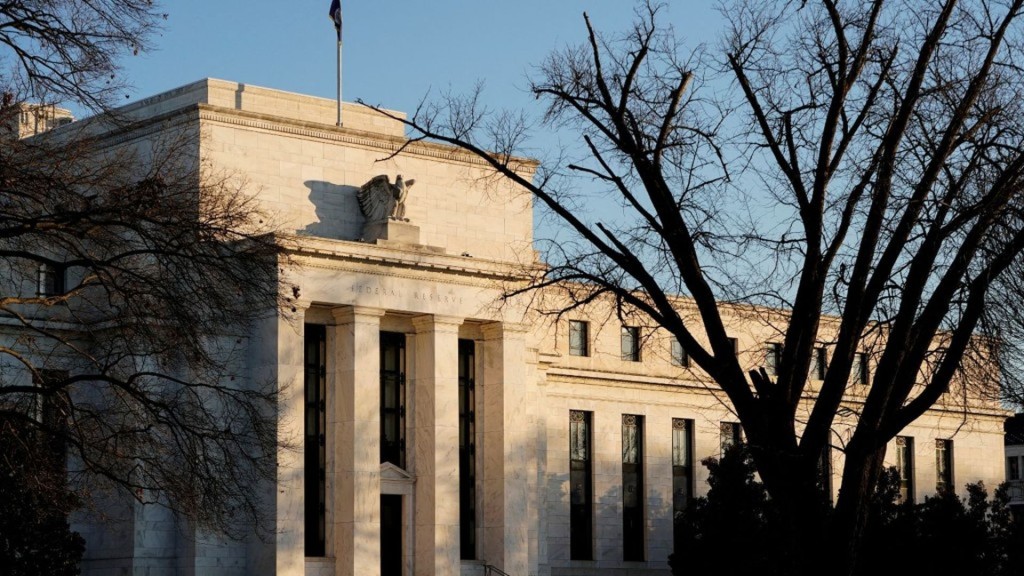
The ongoing war with Iran and its shock to oil prices and supplies have rocketed to the top of the list of concerns for financial stability, according to a semi-annual Federal Reserve report released on Friday.
Investors are now looking out for April's US Consumer Price Index data, due later this week, for further clues on the Fed's monetary policy direction.
Meanwhile, China's gold production fell in the first quarter of 2026 from a year earlier, the China Gold Association said on Saturday, as safety inspections led some smelters to suspend production for maintenance.
"In the near-to-medium term, the US$4,400 to US$4,800 range still looks firmly in play while we remain in this ceasefire-without-a-peace-deal stalemate," Waterer added.
Reuters