The S&P Global Hong Kong purchasing managers index fell for the second month, from 49.3 in March to 48.6 in April, indicating a sustained decline in business conditions, the most pronounced in ten months.
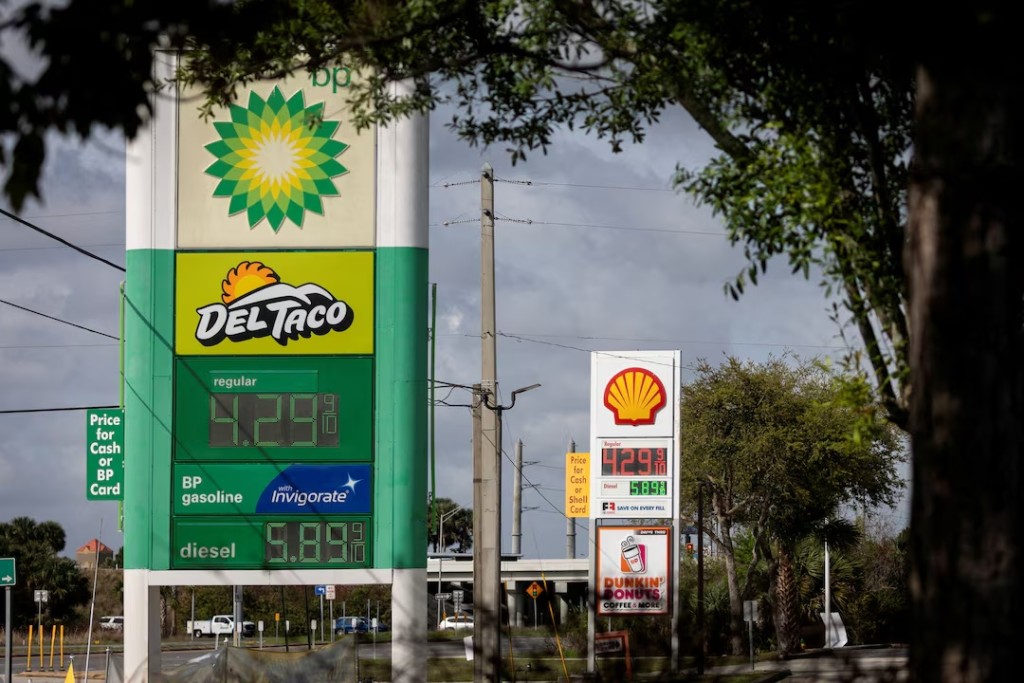
Both output and new orders declined again in April, with output contracting at the fastest pace since June 2025. Rising prices had negatively impacted business activity and customer demand. Notably, overall input costs increased at the strongest rate since October 2011, driven by rising raw material prices following the outbreak of the Middle East war.
Purchasing activity has increased as firms wish to hedge against future increases in raw material prices. Simultaneously, input stocks rose for the eleventh month, while supplier performance improved due to sufficient capacity.
Companies reported a decline in new business in April, though the contraction pace slowed slightly. This occurred alongside a rise in new export orders, despite a drop in demand from mainland China for the first time in seven months.
Average input costs rose, with inflation hitting a 14.5-year high, driven by higher raw-material and staff costs. Firms therefore raised selling prices at the fastes rate since August 2023.
Meanwhile, falling new orders reduced backlogs and discouraged hiring, leading to the first headcount reduction in three months due to non-replacement of voluntary leavers and company downsizing.
The negative sentiment in the private-sector business outlook has only eased slightly since March, amid increased market competition and heightened geopolitical uncertainty stemming from the war in the Middle East.