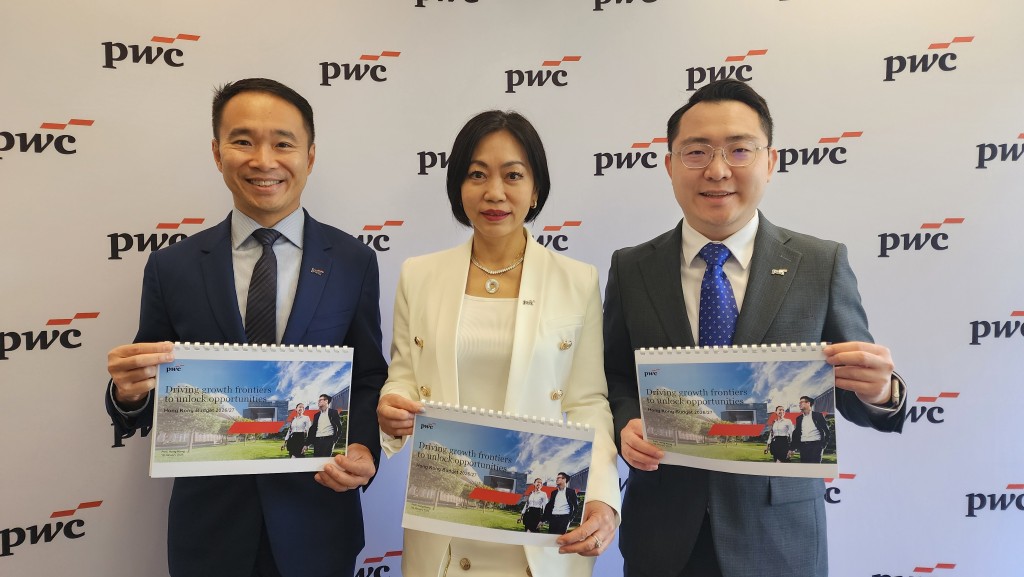
PwC Hong Kong expects the government to record a consolidated fiscal deficit for the year ending March, despite a surge in stamp duty driven by the bullish stock market.
Although the government is expected to record an operating surplus for the year, higher capital works expenditure and lower land sales are estimated to result in a capital account deficit, leaving only a projected consolidated deficit of HK$200 million in 2025/26, the audit firm said.
This will result in fiscal reserves of HK$654.1 billion in March, equivalent to approximately ten months of government expenditure, marking the lowest level of fiscal reserves by the government, PwC said.
Revenue from land sales will be approximately HK$13 billion, which is 38 percent lower than the government’s original estimate of HK$21 billion, it said, adding that revenues from profits tax and salaries tax will stand at HK$282 billion – down 5 percent from the original projection of HK$297 billion.
However, stamp duty is expected to generate HK$100 billion – around 48 percent higher than the budget estimate of HK$67.6 billion, the accounting firm said.
PwC Hong Kong tax controversy services leader Kenneth Wong recommends enhancing the existing research and development tax incentives to drive technological advances, particularly in respect of payments for outsourced R&D activities undertaken in the Greater Bay Area.
A 150 percent enhanced tax deduction for enterprises investing in AI technologies can be transformative, encouraging innovation and digital transformation, he said.