Read More





US growth picks up in the first quarter
11 hours ago



HK hit by sudden 9 degrees temperature dip amid cold front
29-04-2026 20:56 HKT


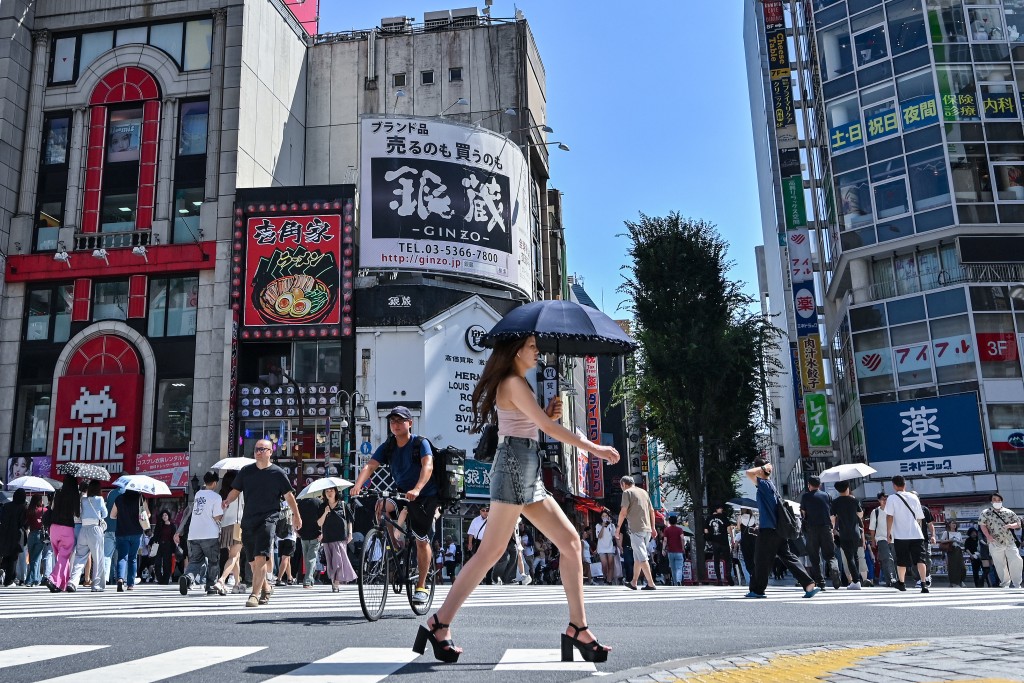
Core inflation in Japan's capital accelerated in October and stayed above the central bank's 2 percent target, data showed on Friday, keeping alive market expectations for a near-term interest rate hike.
But the increase was driven mostly by stubbornly high food costs with service-sector inflation staying modest, a sign companies were slow in passing through rising labour costs.
The data followed the Bank of Japan's decision on Thursday to keep interest rates steady at 0.5 percent that drew two dissenters from the board fretting about broadening inflationary pressure.
The Tokyo core consumer price index (CPI), which excludes volatile fresh food costs, rose 2.8 percent in October from a year earlier, data showed on Friday, exceeding market forecasts for a 2.6 percent gain and accelerating from a 2.5 percent gain in September.
A separate index for Tokyo that strips away both fresh food and fuel costs - closely watched by the BOJ as a measure of domestic demand-driven prices - rose 2.8 percent in October from a year earlier after a 2.5 percent increase in September.
The increase was driven partly by a 38.4 percent rise in the price of Japan's staple rice and an end to subsidies for water fees.
Food inflation, excluding prices for volatile fresh food, stood at 6.7 percent in October, slowing from 6.9 percent in September, the data showed.
Services inflation, at 1.6 percent in October, was roughly steady from 1.5 percent in September and much slower than a 4.1 percent gain in goods prices, the data showed.
"Core consumer inflation is expected to slow as the effects of food price rises dissipate," said Masato Koike, senior economist at Sompo Institute Plus.
"While we expect the BOJ to raise interest rates in January, further hikes could become difficult," he said.
The BOJ has stressed the need to see inflation driven more by solid demand and wage gains, rather than the push from raw material costs, to resume interest rate hikes.
The BOJ exited a decade-long, radical stimulus programme last year and raised short-term interest rates to 0.5 percent in January on the view Japan was on the cusp of sustainably hitting its 2 percent inflation target.
While consumer inflation has exceeded the BOJ's 2 percent target for well over three years, Governor Kazuo Ueda has stressed the need to tread cautiously in further rate hikes on uncertainty over the impact of U.S. tariffs on Japan's economy.
In a sign companies are weathering the hit from tariffs for now, separate data released on Friday showed Japan's factory output rose 2.2 percent in September from the previous month, exceeding market forecasts for a 1.6 percent gain.
The jobless rate in September was unchanged from the previous month at 2.6 percent, government data showed.
REUTERS