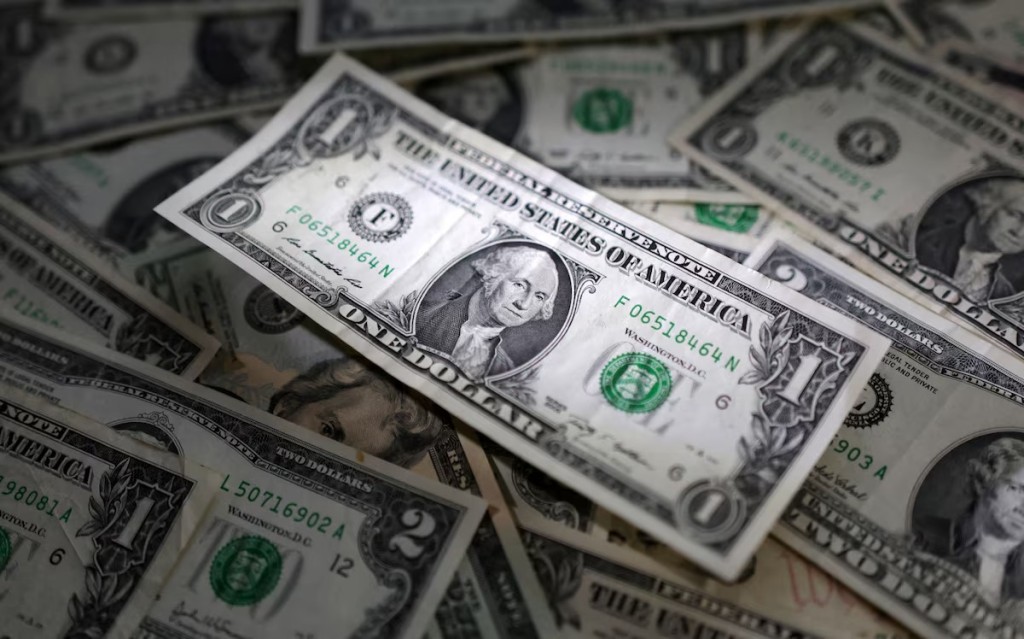
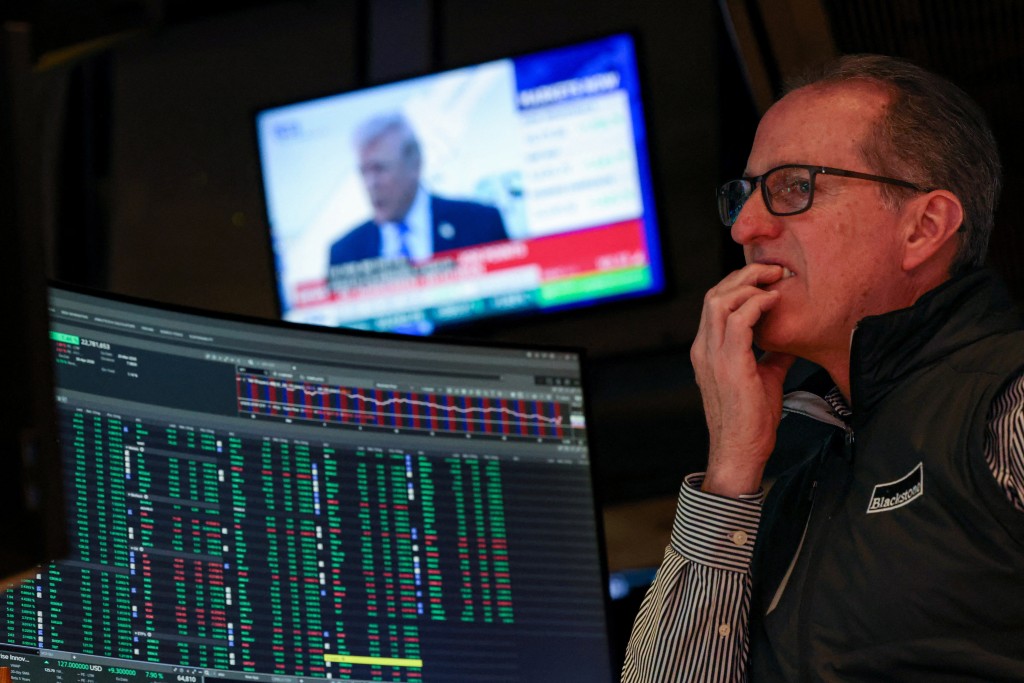
The dollar sank to a one-week low against major currencies on Wednesday as a US government shutdown unsettled markets and threatened to delay key jobs data, seen as crucial for Federal Reserve policy decisions.
The shutdown commenced hours after the Senate rejected a short-term spending measure that would have kept government operations afloat through November 21. Senate Republican Leader John Thune said the chamber would vote again on the House-passed measure on Wednesday. The Senate is due to convene at 1400 GMT.
The dollar index , which tracks the US currency against six major peers, slipped 0.2 percent. The price action across the broader markets bore a few hallmarks of safe-haven buying, giving low-yielding currencies such as the Japanese yen and the Swiss franc a bid, while US Treasuries and gold held firm.
SAFE HAVEN OR NOT?
Rabobank chief currency strategist Jane Foley said it was tricky discerning if yen strength was driven by safe-haven demand or speculation about the Bank of Japan (BOJ) raising rates.
"It's a market that is not sure it's supposed to be nervous. It's not blindingly obvious that there is a very strong safe-haven bid. There are small pockets of evidence that there is."
The dollar was down 0.5 percent against the yen , around its weakest in two weeks, while losing around 0.2 percent against the Swiss franc , another traditional safe haven.
US President Donald Trump warned congressional Democrats on Tuesday that letting the federal government shut down would allow his administration to take "irreversible" actions including closing programmes important to them.
The US Labor and Commerce departments said their statistics agencies would halt data releases in the event of a partial shutdown. That includes Friday's scheduled nonfarm payrolls release, considered key in determining whether a Fed rate cut is likely at the end of this month.
US JOBS IN FOCUS
On Tuesday, a mixed reading for the Bureau of Labor Statistics' Job Openings and Labor Turnover Survey, or JOLTS, pressured the dollar. The report showed US job openings increased marginally in August while hiring declined, consistent with a softening labour market.
In the absence of official data, more emphasis will fall on private-sector economic indicators. The ADP employment report is due later on Wednesday.
The length of any shutdown may be key for markets, as the Fed's next policy decision on October 29 remains weeks away. Traders currently see a quarter-point cut as a near certainty, with market-implied odds of around 95 percent, according to LSEG data.
In contrast, traders are placing a roughly 40 percent chance the BOJ will raise interest rates this month. The central bank's quarterly "tankan" corporate sentiment survey on Wednesday showed confidence among big Japanese manufacturers improved for the second straight quarter and firms maintained their upbeat spending plans.
BOJ officials have tilted more hawkish in recent days, including formerly dovish board member Asahi Noguchi, who said on Monday that the need for policy tightening was increasing "more than ever."
"The BOJ does not actually appear especially worried about how Trump tariffs might affect the Japanese economy," said Yusuke Matsuo, senior markets economist at Mizuho Securities.
SLUGGISH EUROPE
The euro shrugged off a survey on Wednesday that showed euro zone manufacturing activity slipped back into contraction last month, with new orders falling at their fastest pace in six months.
The euro, which gained 0.2 percent in September and is up 13.5 percent this year, rose 0.25 percent to US$1.1763, around one-week highs.
Reuters