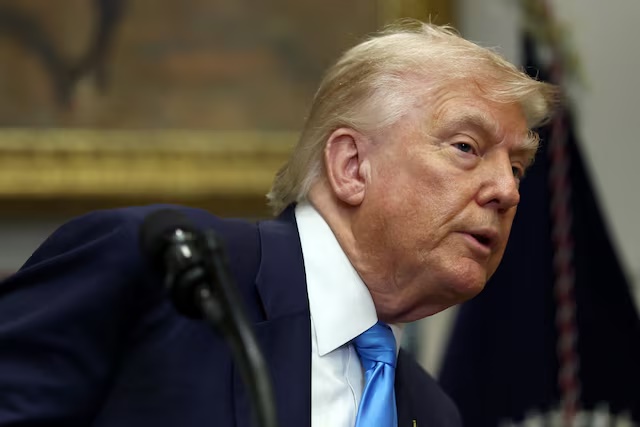
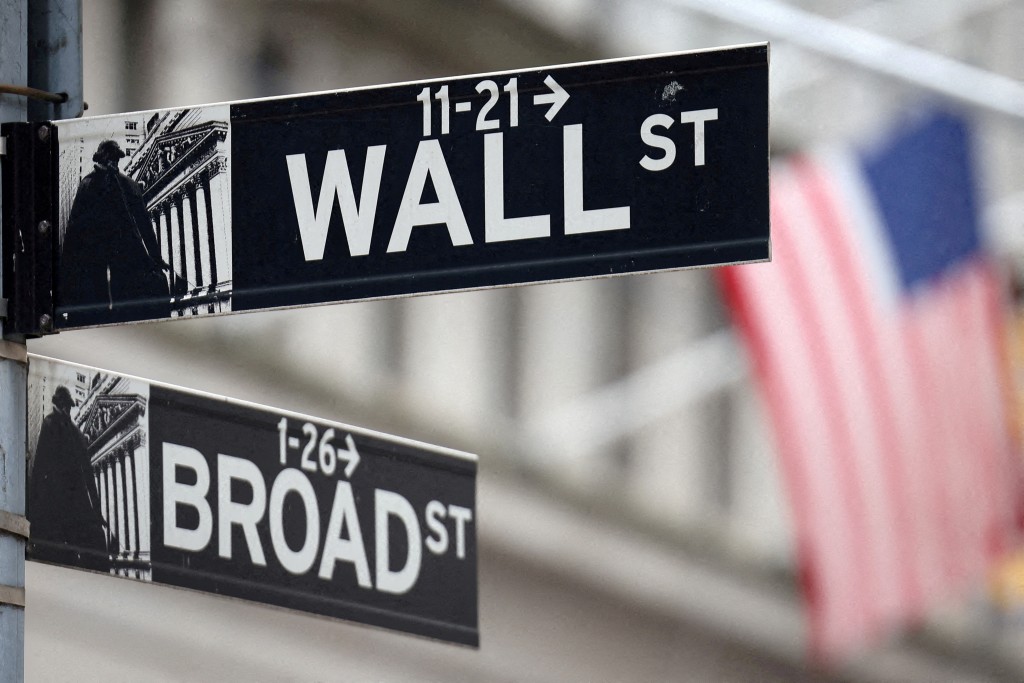
U.S. President Donald Trump slapped dozens of trading partners with steep tariffs ahead of a Friday trade deal deadline, including a 35 percent duty on many goods from Canada, 50 percent for Brazil, 25 percent for India, 20 percent for Taiwan and 39 percent for Switzerland.
Trump released an executive order listing higher import duty rates of 10 percent to 41 percent starting in seven days for 69 trading partners as the 12:01 a.m. deadline approached. Some of them had reached tariff-reducing deals and some had no opportunity to negotiate with his administration.
The order said that goods from all other countries not listed in an annex would be subject to a 10 percent U.S. tariff rate.
Trump's order said that some trading partners, "despite having engaged in negotiations, have offered terms that, in my judgment, do not sufficiently address imbalances in our trading relationship or have failed to align sufficiently with the United States on economic and national-security matters."
Trump issued a separate order for Canada that raises the rate on Canadian goods subject to fentanyl-related tariffs to 35 percent from 25 percent previously, saying Canada had "failed to cooperate" in curbing fentanyl flows into the U.S.
The higher tariffs on Canadian goods contrasted sharply with Trump's decision to grant Mexico a 90-day reprieve from higher tariffs of 30 percent on many goods to provide more time to negotiate a broader trade pact.
A U.S. official told reporters that more trade deals were yet to be announced as Trump's higher "reciprocal" tariff rates were set to take effect.
"We have some deals," the official said. "And I don't want to get ahead of the President of the United States in announcing those deals."
Regarding the steep tariffs on goods from Canada, the second-largest U.S. trading partner after Mexico, the official said that Canadian officials "haven't shown the same level of constructiveness that we've seen from the Mexican side."
The extension for Mexico avoids a 30 percent tariff on most Mexican non-automotive and non-metal goods compliant with the U.S.-Mexico-Canada Agreement (USMCA) on trade and came after a Thursday morning call between Trump and Mexican President Claudia Sheinbaum.
"We avoided the tariff increase announced for tomorrow," Sheinbaum wrote in an X social media post, adding that the Trump call was "very good."
Approximately 85 percent of U.S. imports from Mexico comply with the rules of origin outlined in the USMCA, shielding them from 25 percent tariffs related to fentanyl, according to Mexico's economy ministry.
Trump said the U.S. would continue to levy a 50 percent tariff on Mexican steel, aluminum and copper and a 25 percent tariff on Mexican autos and on non-USMCA-compliant goods subject to tariffs related to the U.S. fentanyl crisis.
"Additionally, Mexico has agreed to immediately terminate its Non Tariff Trade Barriers, of which there were many," Trump said in a Truth Social post without providing details.
South Korea agreed on Wednesday to accept a 15 percent tariff on its exports to the U.S., including autos, down from a threatened 25 percent, as part of a deal that includes a pledge to invest US$350 billion (HK$2.73 trillion) in U.S. projects to be chosen by Trump.
But goods from India appeared to be headed for a 25 percent tariff after talks bogged down over access to the South Asian country's agriculture sector, drawing a higher-rate threat from Trump that also included an unspecified penalty for India's purchases of Russian oil.
Although negotiations with India were continuing, New Delhi vowed to protect the country's labor-intensive farm sector, triggering outrage from the opposition party and a slump in the rupee.
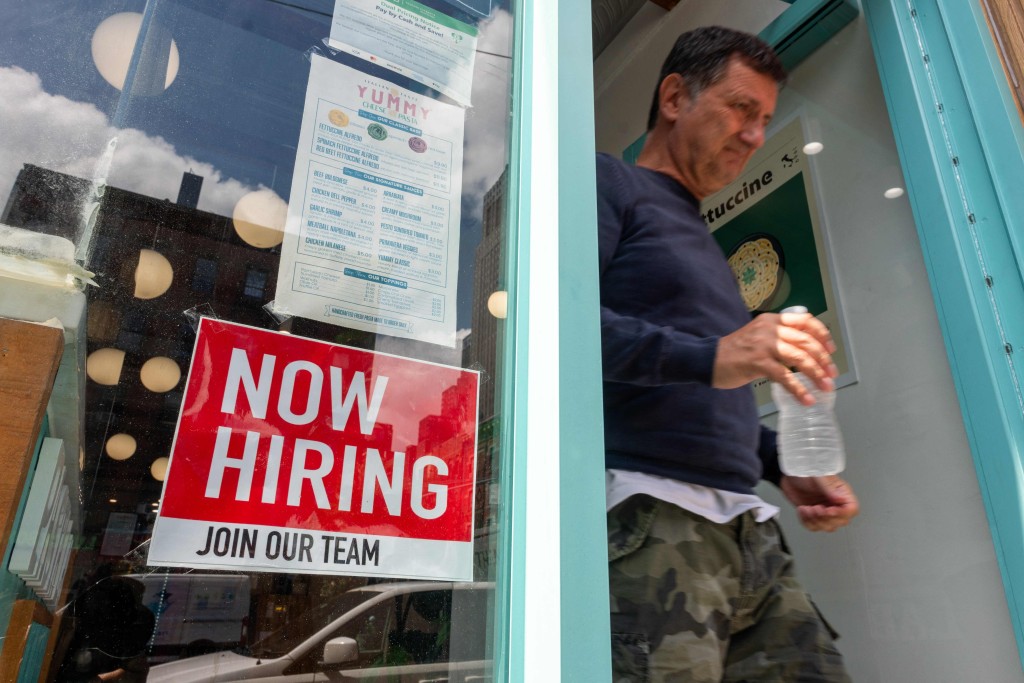
Trump's rollout of higher import taxes on Friday comes amid more evidence they have begun driving up consumer goods prices.
U.S. Commerce Department data released Thursday showed prices for home furnishings and durable household equipment jumped 1.3 percent in June, the biggest gain since March 2022, after increasing 0.6 percent in May. Recreational goods and vehicles prices shot up 0.9 percent, the most since February 2024, after being unchanged in May. Prices for clothing and footwear rose 0.4 percent.
Trump hit Brazil on Wednesday with a steep 50 percent tariff as he escalated his fight with Latin America's largest economy over its prosecution of