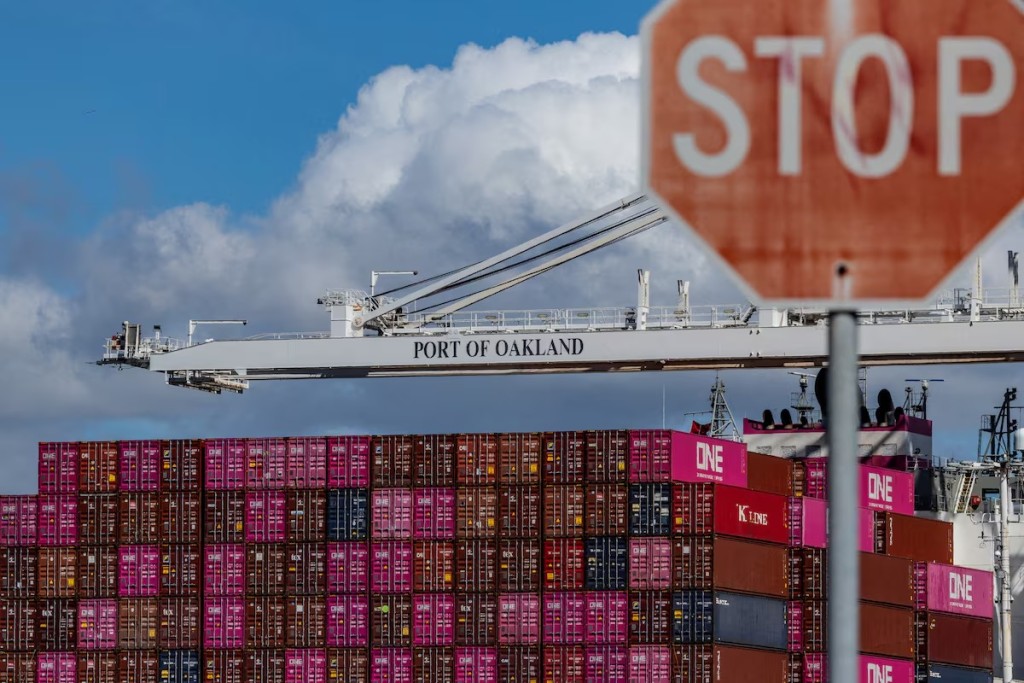
US trade policies will likely slow down global economic growth and rekindle inflation in the United States, where there is a 40 percent probability of a recession in the second half of this year, JPMorgan analysts said on Wednesday.
US economic growth is expected at 1.3 percent this year, down from a 2 percent forecast at the beginning of 2025, with higher US tariffs seen as adding negative shocks to the economy, the bank said in a mi-year outlook research note.
"The stagflationary impulse from higher tariffs has been the impetus for our lowered GDP growth outlook for this year," it said. "We still view recession risks as elevated."
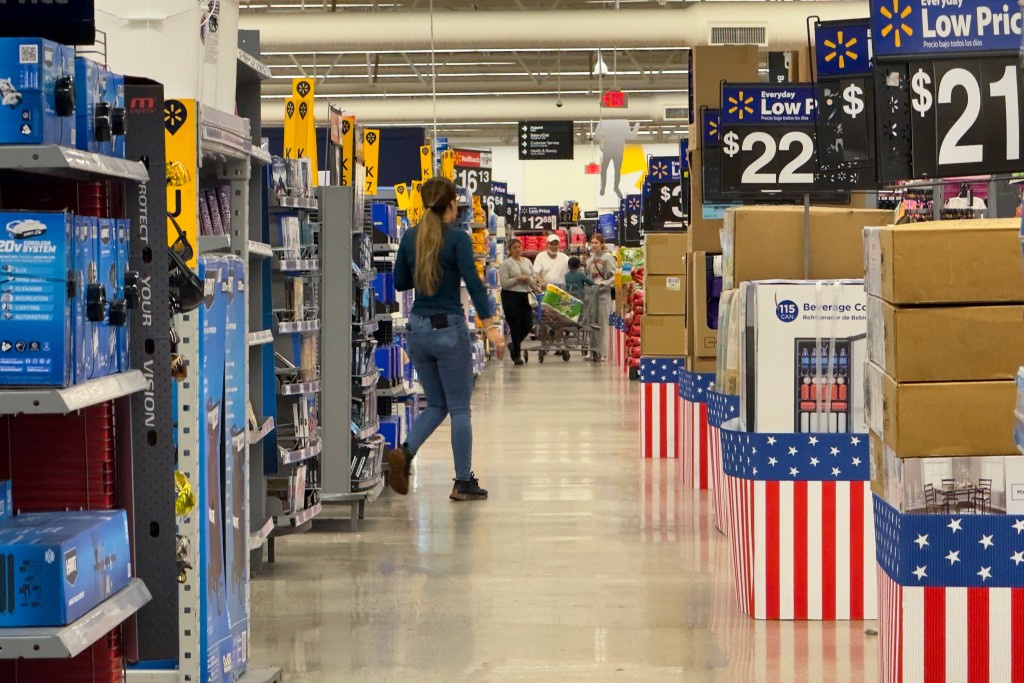
Stagflation is a worrying mix of sluggish growth and relentless inflation that haunted the US in the 1970s.
The US bank has a bearish outlook on the US dollar due to slower US growth when compared to growth-supportive policies outside of the United States that will bolster other currencies, including in emerging markets.
It expects the share of demand for US Treasuries from foreign investors, the Federal Reserve, and commercial banks, to decline given the growing size of the US debt market.
The compensation required by investors for the risk of holding US Treasuries, known as term premium, could increase by 40-50 basis points over time, it said, though it does not expect sharp increases in Treasury yields such as the ones seen in the first half of this year.
In April, Treasury yields spiked amid broader market volatility caused by US President Donald Trump's announcement of sweeping tariffs. JPMorgan expects US Treasury two-year yields will end the year at 3.5 percent and benchmark 10-year yields at 4.35 percent. They stood at 3.8 percent and 4.3 percent, respectively, on Wednesday.
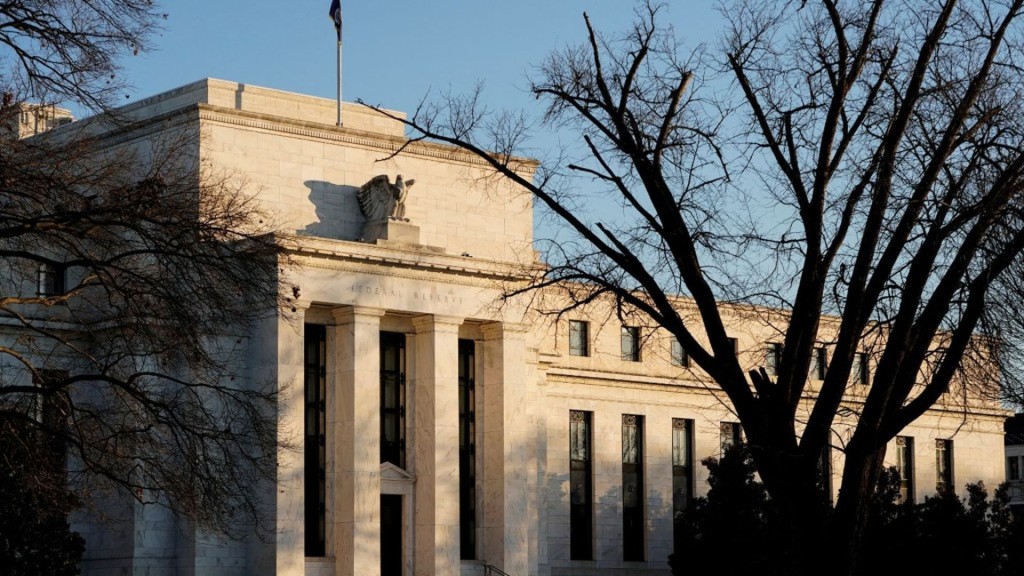
Due to sticky inflation caused by tariffs and a resilient economy, the bank expects the Fed will cut interest rates by 100 basis points between December and spring 2026, later than the consensus among rates futures traders, who were betting on two 25-basis point rate cuts this year as of Wednesday. A recession or a sharper economic slowdown than anticipated, would trigger a more aggressive cutting cycle, the JPMorgan analysts said.
Still, the bank remained bullish on U.S stocks, given continued consumer and economic resilience despite policy uncertainty.
"Absent major policy and/or geopolitical surprises ... we believe the path of least resistance to new highs will be supported by Tech/AI-led strong fundamentals, a steady bid from systematic strategies, and flows from active investors on dips," it said.
Reuters