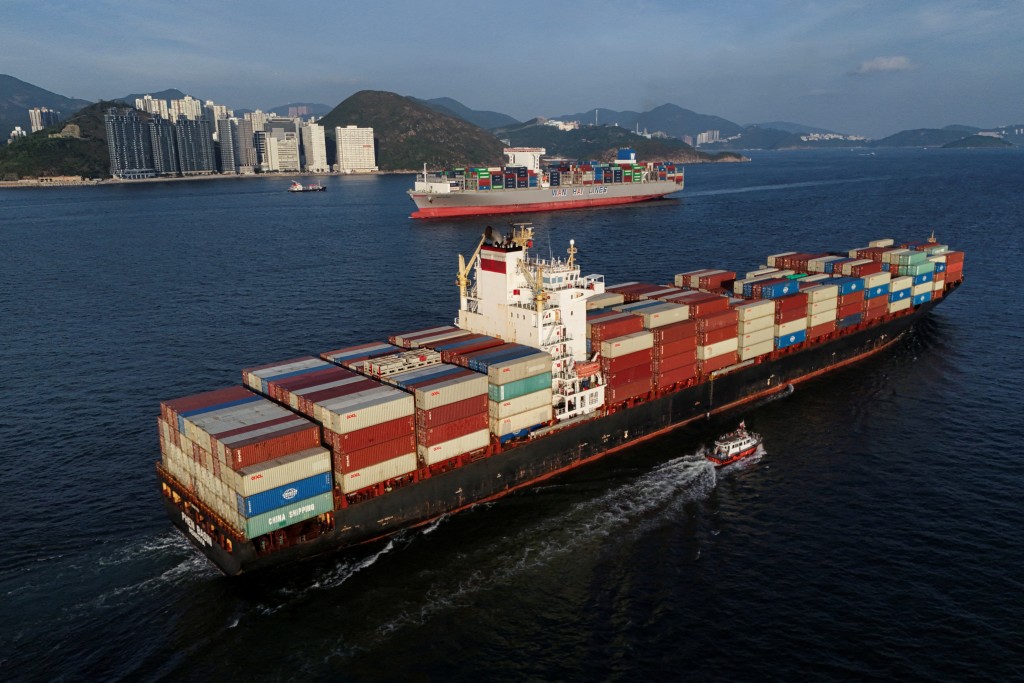
Japan's exports fell in May for the first time in eight months, as major automakers such as Toyota absorbed the costs of sweeping tariffs imposed by the United States. The failure to reach a trade deal with Washington this week is expected to further strain Japan's fragile economy.
Japanese Prime Minister Shigeru Ishiba said after the Group of Seven summit in Canada on Tuesday that Japan had not reached a comprehensive tariff agreement with the United States, citing ongoing disagreements between the two nations.
Japan and the United States "explored the possibility of a deal until the last minute," he added.
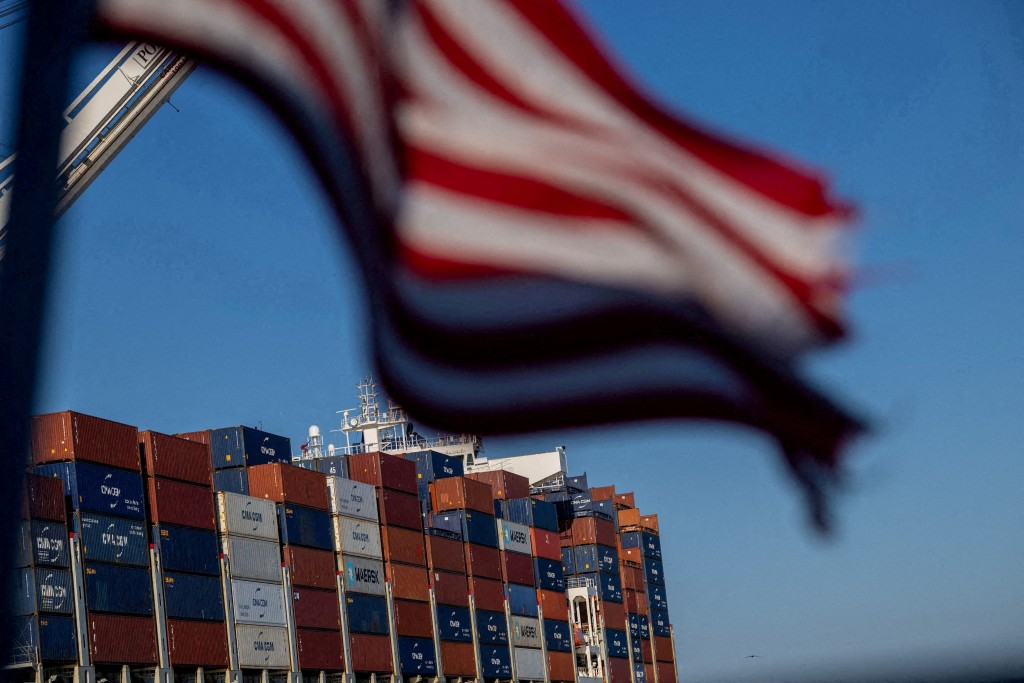
Tokyo is urgently seeking ways to secure an exemption from Washington’s 25 percent auto tariffs, which are hitting the country’s manufacturing sector hard. Japan also faces a 24 percent “reciprocal” tariff beginning July 9 unless a deal can be struck.
Japan’s automobile sector accounted for about 28 percent of the total 21 trillion yen (HK$1.14 trillion) worth of goods it exported to the United States last year.
Government data showed total exports in May fell 1.7 percent year-on-year to 8.1 trillion yen, smaller than the median forecast for a 3.8 percent drop and following a 2 percent increase in April.
Exports to the United States tumbled 11.1 percent from a year earlier, led by a 24.7 percent decline in automobiles and a 19 percent fall in auto components. A stronger yen also reduced the value of shipments. Exports to China were down 8.8 percent.
“The value of automobile exports to the United States fell, but their volume did not drop that much,” said Koki Akimoto, economist at Daiwa Institute of Research. “This indicates Japanese automakers are effectively shouldering the tariff costs and not charging customers.”
In volume terms, US-bound automobile exports dipped just 3.9 percent.
So far, major Japanese carmakers have refrained from raising prices in the United States to cushion the impact of tariffs, with the exception of Subaru and Mitsubishi Motors.
“They are buying time right now to see the course of Japan-US trade negotiations,” Akimoto said. While the lack of price hikes could hurt profits, he added that automakers' financial foundations are generally solid.
The threat of tariffs had already prompted companies in Japan and other Asian exporters to accelerate shipments earlier this year, temporarily boosting US-bound export figures.
Data also showed that imports in May declined 7.7 percent from a year earlier, exceeding expectations for a 6.7 percent drop.
As a result, Japan recorded a trade deficit of 637.6 billion yen last month, better than the forecast deficit of 892.9 billion yen.
Drag on GDP
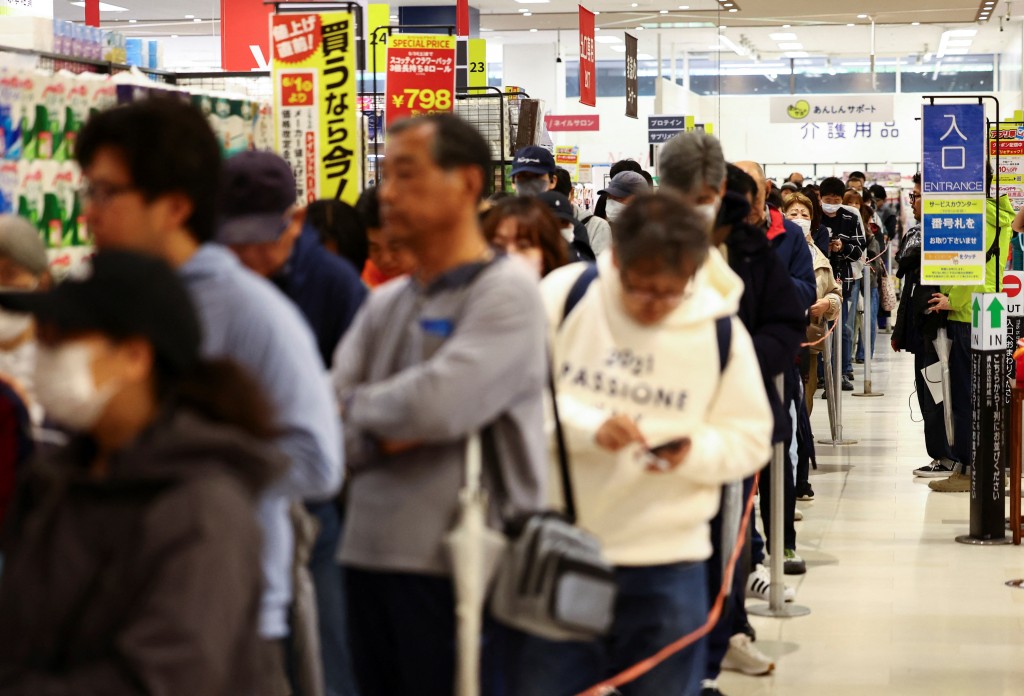
The impact of US tariffs may deepen Japan’s economic troubles. Weak private consumption had already caused the world’s fourth-largest economy to contract in the January–March quarter — the first contraction in a year.
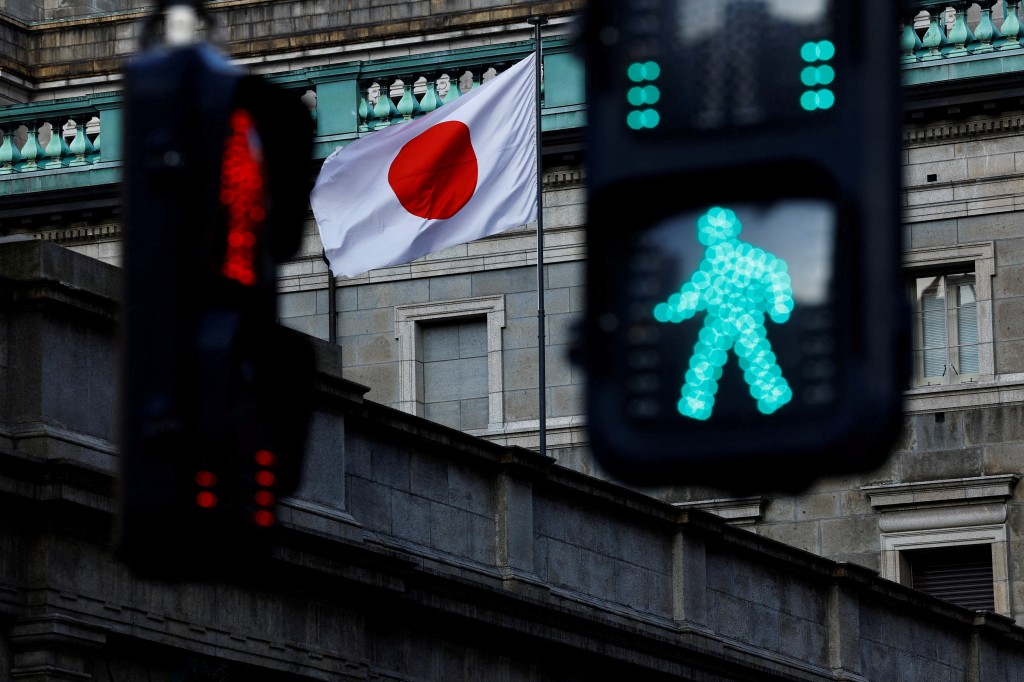
The tariffs also complicate the Bank of Japan’s (BOJ) efforts to raise interest rates and reduce its balance sheet, which has expanded to nearly the size of the country’s entire economy.
On Tuesday, the BOJ held interest rates steady and decided to slow the pace of its balance sheet reduction next year, signaling a cautious approach in unwinding its decade-long stimulus program.
According to the Japan Research Institute, if all proposed US tariffs on Japan were implemented, Japan’s exports to the United States could decline by 20 to 30 percent. Some economists estimate the tariffs could shave around 1 percentage point off the country’s gross domestic product.
REUTERS