Hong Kong's bankruptcy and compulsory winding-up filings are expected to rise further this year in the wake of the Covid-19 pandemic and smaller government aid, while the lack of a statutory corporate rescue regime will probably make things worse, some lawyers say.
In the first 11 months last year, bankruptcy filings increased by 7.29 percent to 7,980 from a year ago, data from Official Receiver's Office showed. A total of 409 compulsory winding-up petitions were presented, rising by 7.63 percent year-on-year. They are both the highest record since 2016.
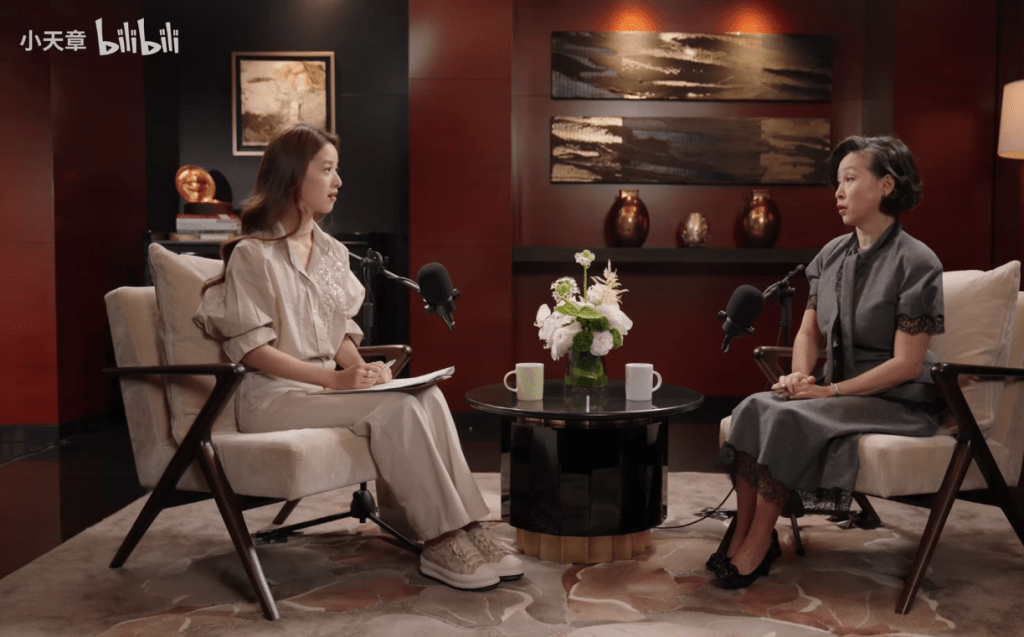
But the effects of the pandemic have not yet been fully reflected in the figures, as Hong Kong Court hearings have been disrupted amid the pandemic, resulting in more delays, says Evelyn Chan, partner at law firm Gall Solicitors.
Chan says her team is involved in various matters concerning insolvency in aviation and hotel sectors.
However, companies facing financial difficulties may find it harder to avoid winding up by debt restructuring in Hong Kong, because the insolvency regime in the city lacks a corporate rescue regime, a statutory moratorium of legal actions, and statutory recognition of cross-border insolvency, Chan says.
"Without the corporate rescue procedure, we can't really see any restructuring plan can be effectively implemented in Hong Kong," she says.
Compared to the administration process of England and Wales, the United States' Chapter 11 regime, as well as Singapore's judicial management process and superiority for rescue financing, financially distressed companies in Hong Kong can only choose the scheme of arrangement and provisional liquidation for corporate rescue, according to Chan.
A scheme of arrangement enables companies to seek a compromise its debt, while creditors usually would accept a lesser amount than they are owed in a final settlement. But it is not ideal, because the procedure is expensive, and there is no period of protection for the company to negotiate with its creditors, Chan says.
Provisional liquidation involves the appointment of provisional liquidators in attempting to keep the status quo rather than distributing the company's assets to creditors, which is the role of a liquidator. However, it is in fact not a corporate rescue regime, she says.
Creditors usually are not really interested in the restructuring of a distressed company, as there are competing interests between the creditors, especially between the unsecured ones, she says. If the company starts to negotiate with one of its creditors, for example banks, then other creditors may file a petition to court to pressurize for repayment, she adds.
But if Hong Kong forms a statutory corporate rescue regime, it would enable companies to work out restructuring plans in a more formal procedure, Chan says.
"We can put in what we call the provisional supervisor. That person may try to organize the creditors in a group and work out the repayment proposal," she says.
"And more importantly, there may be some interim relief called moratorium. That means the creditor cannot take any action for a period of, say three months, so that no party can go to the court to seek or hijack the restructuring proposal," Chan adds.
In March 2020, the government announced its plan to finalize a corporate rescue bill in the first half of the 2020/2021 legislative session, 24 years after the concept was first mooted. Financial Services and the Treasury Bureau Christopher Hui Ching-yu said in November that the government will present a draft bill to the Legislative Council in January or February.
Recently, there are more and more cases involving soft-touch provisional liquidation, Chan says. On a soft-touch basis, the company's directors will remain in the management while the provisional liquidator is appointed for the restructuring purposes only, they will work together on the restructuring plan, she says.
There is another issue, Hong Kong does not have any cross-border insolvency legislation in place, which may give rise to issues for companies that are incorporated offshore but with a presence in the city, especially listed companies, Chan says. There are increasing cases in the Companies Court to recognize the appointment of foreign office holders, and the Hong Kong Court has to use the common law principles to deal with them, she says.