





Read More


US consumer confidence eases in July
9 hours ago



10 mainland women arrested in Tsuen Wan anti-vice operation
28-07-2026 04:04 HKT


Alex Chui makes IMO history with perfect score and record seventh medal
27-07-2026 19:51 HKT
Slow and steady
Risks over unrest
Back to basics
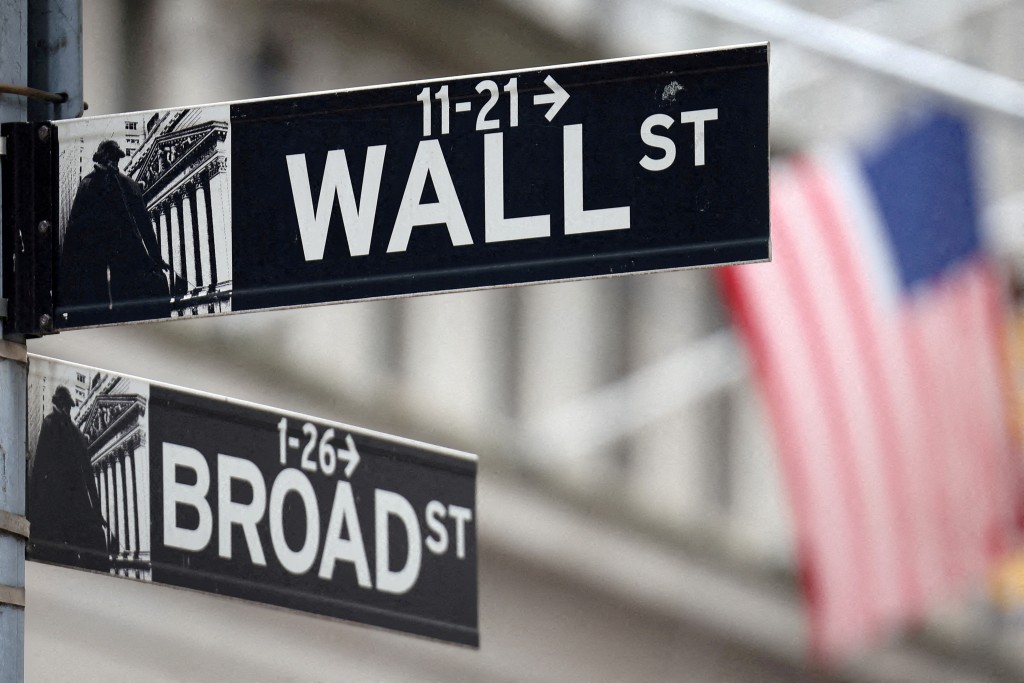
New-economy stocks were the flavor of the year across the world in 2020 but it is believed that this trend will reverse in 2021, which means the Dow Jones will perform better than the Nasdaq, and A shares in Shanghai will fare well. Meanwhile, markets in South Korea, Vietnam and Taiwan, which did well in 2020 on the back of 5G factors, may slow down. Investors are likely to focus on stocks in Australia, Hong Kong and Indonesia in 2021, while India's stock market is expected to continue its strong performance from 2020. Europe underperformed in 2020 but with the European Central Bank and Bank of England expected to continue monetary easing and Brexit finally laid to rest, stocks in the UK, France and Germany are expected to outperform in 2021. However, there's a chance that global equities may see sudden weakness in the third quarter due to shifts in monetary policy by central banks around the world.Dollar in the dumps
The US dollar index could fall another 10 percent in 2020 and it would not be surprising if it dips below 80, if we are to go by what happened during the 2008 global financial crisis. But since it's not just the Federal Reserve that's pushing ultra-loose monetary policy, we believe the US dollar index will fall only about 5 percent, and get support at 85 points, in 2021. At the same time, it should be noted that the US dollar will not lose its crown as the world's leading currency because there is no currency that can replace it, as countries still rely heavily on the greenback as the major trading currency.Beware bitcoin
While bitcoin rose by more than 300 percent in 2020, don't forget that it fell by more than 30 percent in a single day over pandemic fears, making it a highly risky trade. It is unlikely that the bitcoin will become a major traded currency in the next five years because of these large swings. Of course the US dollar has the potential to decline by 5 percent in 2021 and this could boost bitcoin, but remember that bitcoin was overbought in 2020 and that central banks are issuing lots of currencies, so it is not advisable to invest in bitcoin because of the weak US dollar, as the risks are too high. In comparison, gold, which rose by more than 20 percent in 2020, is more stable than bitcoin as a hedge against US dollar weakness. However, the more noteworthy commodities should be a group of agricultural products.Eye on the Kiwi
The best performing major currency in 2020 was the euro, which gained more than 12 percent against the US dollar, while the Australian dollar, which was last year's favorite, only managed 5 percent against the greenback. While the Aussie is expected to rise another 5 percent in 2021, I would pay more attention to the New Zealand dollar, because it will benefit from higher agricultural prices.Andrew Wong is chairman and CEO of Anli Securities