Read More






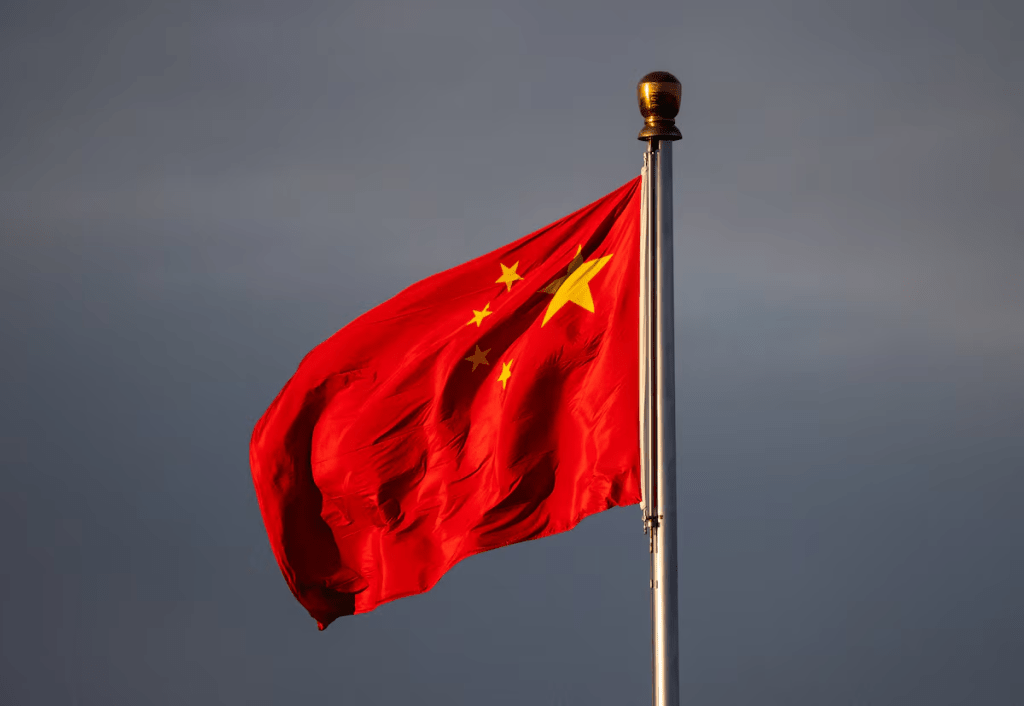




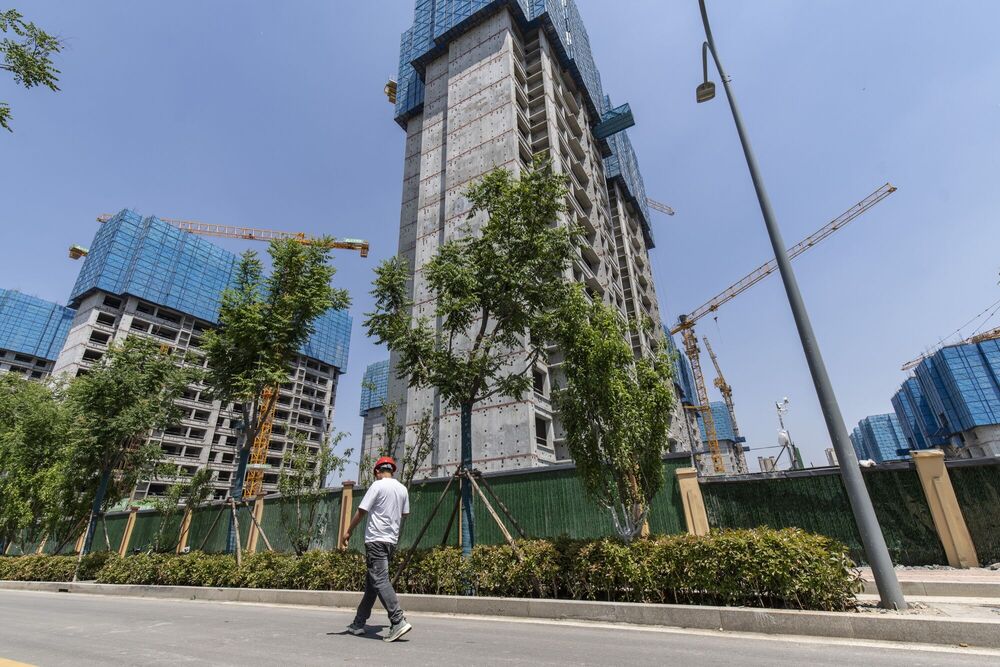
China is considering scrapping a price cap for local governments buying unsold apartments, according to people familiar with the matter, as Beijing seeks to speed up the clearance of millions of empty homes and stem the property downturn.
Under the proposal, local authorities across the country will no longer be subject to a price ceiling equivalent to the cost of affordable homes in the same neighborhood, the people said, asking not to be identified discussing a private matter.
The move, which has yet to be finalized, may give city and provincial officials greater autonomy in offering competitive prices and ease the financial burden of developers, the people said. For China’s affordable housing, local governments can only sell them to qualified buyers at no more than 5 percent profit after taking into account land and construction costs.
The housing ministry didn’t respond to a request for comment. A Bloomberg gauge of Chinese real estate stocks rose extended gains after the report, rising as much as 4.6%.
Officials will be given more leeway in setting standards on which unsold homes to purchase and deciding how to use such properties, Li said at the National People’s Congress. Investor expectations of further policy easing has spurred a rally in property shares in recent weeks.
“The news, if true, is positive, as it should help speed up local governments’ implementation of buying unsold units from distressed developers,” Raymond Cheng, head of China property research at CGS International Securities Hong Kong, wrote in a note. “We expect to see more policies implementation this year which will help to improve developers’ sales and address their liquidity issue.”
China has been trying to put a floor under the yearslong real estate meltdown amid weak domestic demand and a worsening job situation. While the housing sector has picked up modestly on the back of government support, upticks are mostly happening in the resale market, as buyers remain concerned about developers’ ability to finish projects on time.
New apartment prices have tanked in the past three years, though they stabilized in January after a raft of stimulus measures in 2024.
China was trying to deal with 382 million square meters of excess inventory, equivalent to the size of Detroit, as of July last year.
The latest consideration also comes as Beijing pledged to “effectively prevent debt defaults by real estate companies,” signaling a further shift toward aiding more players in the industry. Previously it had singled out “quality top developers” for support.
It’s unclear whether the newest proposal will be enough. Last year, a few city governments suggested resorting to heavy bargaining to minimize their risks when buying unsold property, raising doubts on whether distressed developers would be willing to sell their inventory.
The initiative adds stress to local finances that are already on shaky ground. Regional governments’ ability to boost growth has been undermined by a record drop of income from land sales, with their budget spending shrinking in the first seven months last year. Among all 31 provinces and municipalities, only Shanghai recorded a fiscal surplus in the first half in 2024.
The government said on Wednesday it would push forward policies on using special local bonds to fund purchases of idle land and unsold homes.
Bloomberg