Read More







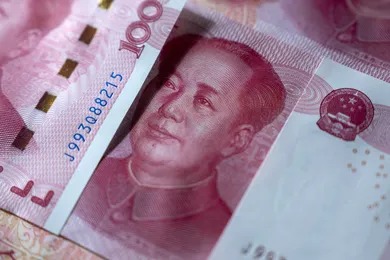
Goldman Sachs Group Inc and BofA Securities rolled back some of their bearish forecasts for the yuan on the heels of fresh threats from US President Donald Trump to impose additional tariffs on China.
The revisions came as the yuan defied trade-related depreciation bets so far thanks to support from the People’s Bank of China’s daily reference rate which limits moves in the onshore yuan by 2 percent on either side. A tech-led rally in Chinese shares has also helped.
“There is still the risk that additional tariff impositions or new US measures prompt a harsher retaliatory response and a weakening of the fix,” Goldman strategists including Danny Suwanapruti wrote in a note. However, the “policy has continued to lean in the direction of a stronger fix.”
The bank now sees the onshore yuan at 7.3 per US dollar in three months, versus 7.4 previously. It also revised its six and 12-month forecasts to 7.4 from 7.5 before.
BofA analysts led by Claudio Piron lifted their yuan forecast for the first quarter to 7.5 per US dollar from 7.6 before, citing moderating short positions and depreciation pressure on the currency. However, the bank maintained its bearish view of 7.60 per US dollar in the second quarter due to lingering tariff risks.
The onshore yuan fell to the lowest since 2023 in mid-January on concern that Trump would follow through on his election campaign pledge to slap a 60 percent tariff on Chinese goods. Back then some analysts were also predicting that the yuan would weaken toward 7.5 or even 8 per US dollar by the end of this year depending on how the levies would be rolled out.
The currency has recovered since then and has eked out a gain of 0.2 percent versus the greenback this year, compared with a rise of 0.1 percent in a Bloomberg gauge of Asian currencies, as Trump’s moves have been milder than expected so far.
The yuan has stayed stronger than the 7.3 per US dollar level in recent weeks as the PBOC has favored currency stability, a strategy that could be helpful for the nation’s financial assets’ stability and potential room for trade negotiation.
The central bank set a steady string of fixings, against expectations that it would allow the currency to weaken to raise the attractiveness of Chinese exports. It also refrained from further interest-rate cuts in order to keep the currency stable, putting the focus on this week’s National People’s Congress for support measures for the economy.
The PBOC’s fixing response so far was “even more confidently front-footed than we had anticipated,” Goldman strategists said.
BLOOMBERG